



















Service Hotline
News

News
Goodbye 2G, hello 5G
2021-12-28
532
Goodbye, 2G!
On May 25, 2021, South Korea’s Ministry of Science and Information and Communications Technology officially announced that it had approved operator LG U+’s application to shut down its 2G business. Following the closure of 2G services by South Korea's other two mobile operators KT and SKT in January 2012 and July 2020, LG U+ will terminate 2G services before the end of June 2021.
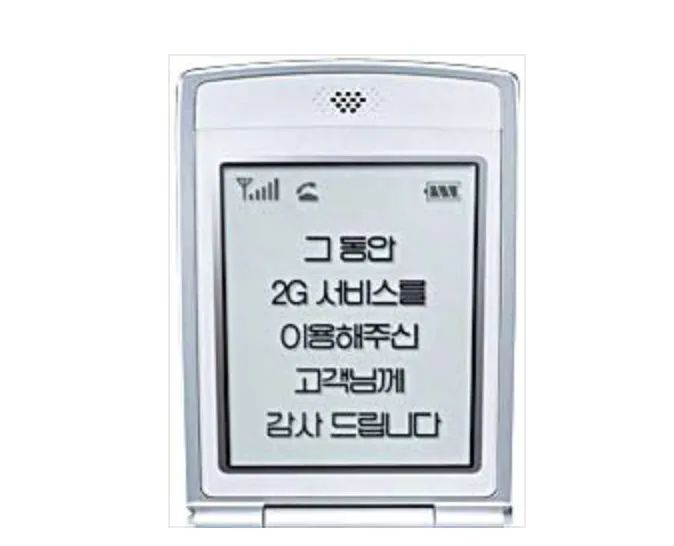
Turn off 2G service
This marks that South Korea's 2G (CDMA), which has a history of 25 years, has finally come to an end and will bid farewell to the stage of history.
Hello, 5G!
In May 2021, South Korea's Ministry of Science and Information and Communications Technology released the latest statistics showing that since 5G was commercialized in April 2019, South Korea's 5G network traffic has surpassed 4G for the first time.
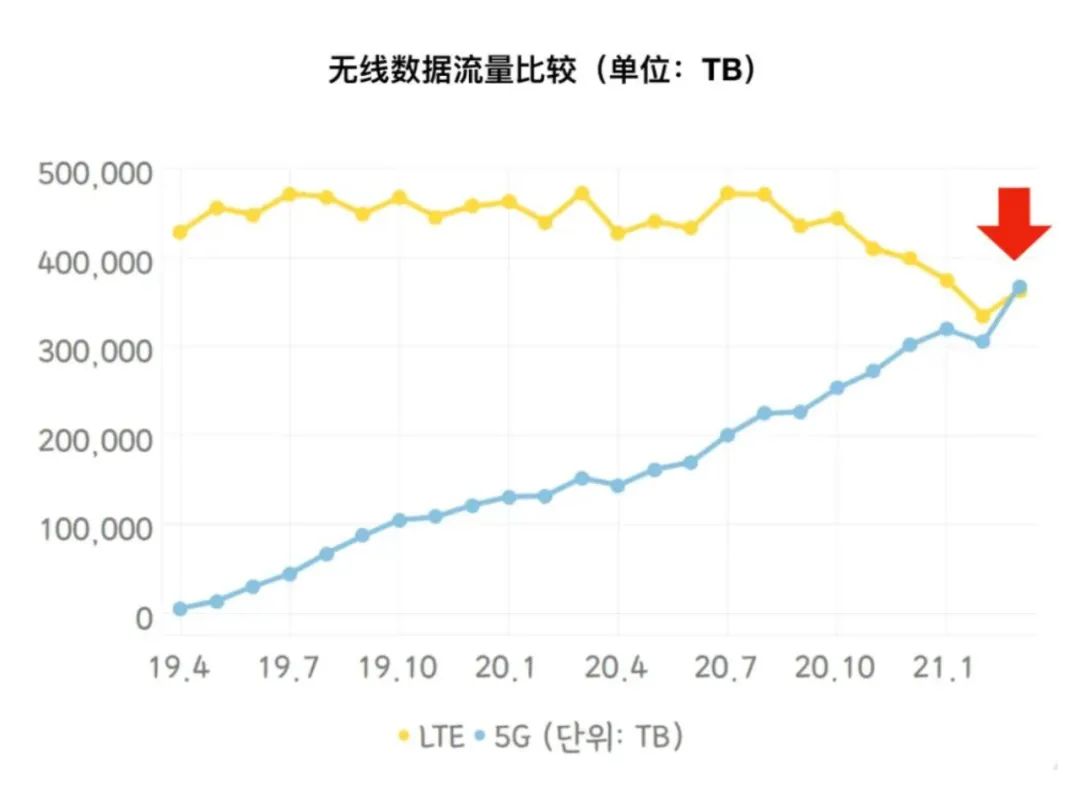
Data shows that in March 2021, the total data traffic generated by South Korea's 5G network was 368,025TB, slightly higher than the 363,301TB of the 4G network. At the same time, as 5G network traffic continues to rise, South Korea’s 4G network traffic shows a gradual downward trend.
This marks that South Korea has truly entered the 5G era.
a metabolic episode
Speaking of the history of 2G in South Korea, we must first talk about the history of South Korea’s telecommunications reform. It is somewhat similar to the history of my country's telecommunications industry. In the 1980s, that is, in the 1G era, South Korea's mobile communications business was exclusively operated by Korea Mobile Telecommunications (KMT), a subsidiary of the state-owned enterprise Korea Telecom. In order to accelerate the popularization of mobile services, South Korea began to privatize and restructure the telecommunications industry and lowered the barriers to entry for telecommunications to introduce competition. After this round of restructuring, the Korean telecom market has emerged with five mobile operators competing on the same stage: SK Telecom, Shinsegi Telecom, KT Freetel, Hansol PCS, and LG Telecom. Then in the 21st century, after a series of mergers, the current competition pattern between three mobile operators, SKT, KT and LG U+, was formed. Among them, KT Freetel and LG Telecom can be regarded as the predecessors of the current KT and LG U+.
In the 1990s, during the transition from 1G to 2G, when most regions and manufacturers around the world were focusing on the GSM standard proposed by Europe, South Korea took a different approach and chose CDMA technology, which was relatively lagging behind in terms of commercial maturity. In January 1996, Korea Mobile Communications (the predecessor of SKT) launched the world's first 800MHz-based CDMA IS-95A service in Seoul. Subsequently, operators such as KT Freetel and LG Telecom launched CDMA services based on PCS (1800MHz).
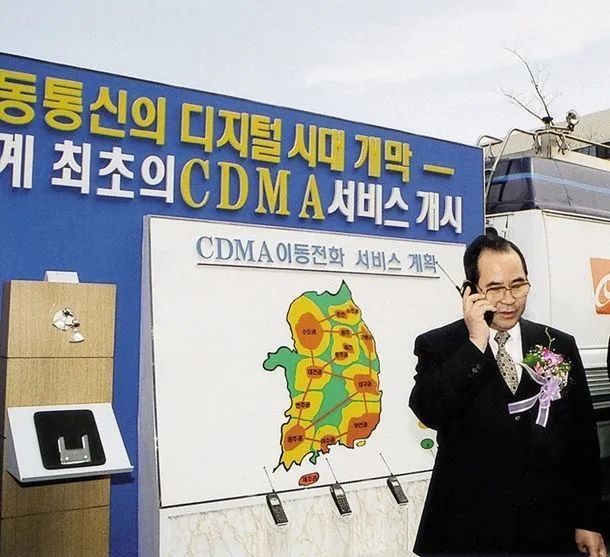
It is against this background that the fierce market competition environment has promoted the rapid development of South Korea's CDMA business. In August 1998, South Korea became the first in the world to achieve IS-95B service with a maximum transmission rate of 114Kbps. In October 2000, CDMA2000 1X was commercialized for the first time in the world. In January 2002, South Korea became the first in the world to commercialize CDMA2000 1X EV-DO, with a data transmission rate of up to 2.4Mbps. According to statistics, before CDMA was commercialized, the total number of mobile communication users in South Korea was 1.5 million. In 2000, this number reached 27 million, an increase of 15 times.
It can be said that in the 2G era, South Korea created the CDMA myth. Thanks to the bold introduction of CDMA, South Korea gradually transformed from an importer of mobile communication equipment and terminals to a major exporter in the 2G era, becoming a leading country in global mobile communication technology. This also led to the sudden rise of Korean telecom equipment and terminal manufacturers represented by Samsung and LG. It is no exaggeration to say that South Korea's CDMA saved Qualcomm and also achieved the success of South Korea's communications industry. The Korean industry generally believes that CDMA is the foundation for the rise of South Korea's communications industry. Based on this, South Korea has gradually become a telecommunications power and continues to promote 3G, 4G and 5G.
However, in the 3G/4G era, as CDMA's disadvantages in technological evolution gradually became apparent, South Korea's successful 2G CDMA also began to go downhill in history. Entering the 3G era, SKT and KT chose WCDMA technology, and then gradually migrated 2G CDMA users to 3G WCDMA on a large scale. For example, the number of KT's 2G users was only about 1 million in 2011. In the 4G era, due to the lack of spectrum resources, KT took the lead in obtaining approval from the Ministry of Science and Information and Communications Technology of South Korea to re-cultivate the 2G frequency band for 4G LTE and announced the termination of 2G services in early 2012. SKT officially terminated 2G services in July 2020 due to relatively abundant spectrum resources.
Regarding the termination of 2G services by KT and SKT, both operators have encountered opposition from the Korean people and the media. However, the Ministry of Science and Information and Communications Technology of South Korea believes that the 2G CDMA equipment has been in operation for more than 20 years. The aging of the equipment has led to frequent failures, and insufficient spare parts have made the equipment unable to be repaired. There is a high risk of failure, and the maintenance cost is also quite high. Therefore, it is not suitable for continued operation. On the other hand, from the perspective of spectrum utilization, the number of 2G users in South Korea at that time only accounted for about 1% of the total mobile users, and South Korea's CDMA occupied the 800MHz and 1800MHz golden frequency bands. If the 2G network was not closed, it would be a waste of spectrum resources.
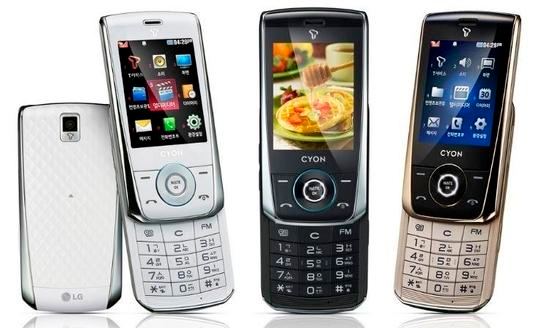
2G CDMA手机
LG U+ is the only Korean mobile operator that has not introduced WCDMA technology in the 3G era. It has adopted EV-DO Rev.A/B technology based on CDMA2000, which is equivalent to a direct transition from 2.5G to 4G LTE. This is why it has not been approved to shut down its 2G network. Although the number of 2G users of LG U+ was only about 370,000 in November 2020 (this number dropped to 140,000 in May 2021, accounting for only 0.82% of the total number of LG U+ mobile users), the Ministry of Science and Information and Communications Technology of South Korea believes that LG U+ has been upgraded based on CDMA technology, has a long operating time, and the network equipment is relatively new. In addition, after SKT shut down 2G services, LG U+ also has to bear the responsibility for some 2G users who have transferred their numbers from SKT. Therefore, LG U+ was determined to be the last operator in South Korea to shut down 2G services. It was not until May 25, 2021 that LG U+ was officially approved to shut down 2G services.
Since then, South Korea’s 2G has officially announced its end after 25 years of history!
An era begins
On the afternoon of April 3, 2019, a tense atmosphere filled the conference room of the Ministry of Science and Information and Communications Technology of South Korea. Executives from South Korea's three major carriers and Samsung Electronics are holding an emergency meeting with government officials in charge of communications. Just a few hours ago, they received important information - the US operator Verizon will commercialize 5G on April 4, a week earlier than its original plan of April 11.
South Korea's three major operators originally planned to commercialize 5G on April 5. Now Verizon has brought forward the commercial launch of 5G, which means that South Korea will lose the title of "the world's first commercial 5G". As a result, the South Korean government held an emergency meeting with the three major operators and Samsung Electronics, and finally decided to advance the commercial launch of 5G to 23:00 on April 3 in order to regain the title of "No. 1 in the world".
Just like that, at 23:00 on April 3, 2019, just one hour ahead of Verizon, South Korea’s 5G was officially announced for commercial use.
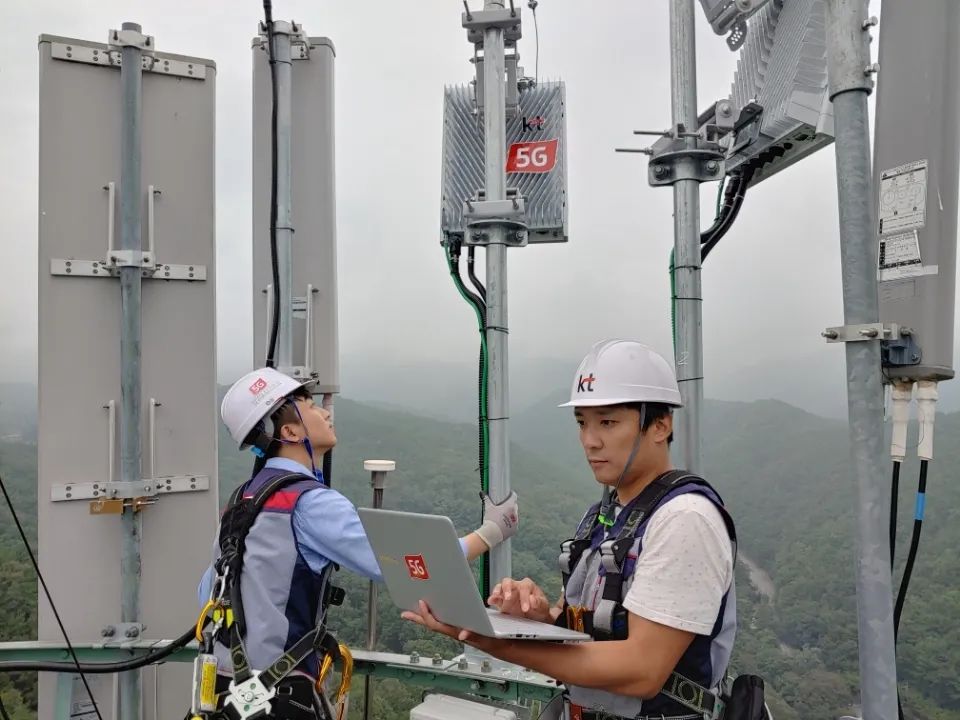
As of today, South Korea’s 5G has been commercially available for two years and one month. What achievements has South Korea’s 5G achieved?
First of all, from an operator's perspective, 5G has indeed driven revenue and profit growth for Korean operators. Not long ago, South Korean media described the performance of South Korea’s three major operators in the first quarter of 2021 as “surprising”. In the first quarter of 2021, LG U+ sales were 3.41 trillion won and operating profit was 275.6 billion won, a year-on-year increase of 4% and 25.4% respectively. Operating profit hit a new high since the commercialization of 5G; KT’s comprehensive sales were 6.294 trillion won. Operating profit was 444.2 billion won, a year-on-year increase of 3.4% and 15.4% respectively; SKT's comprehensive sales and operating profit were 4.78 trillion won and 388.8 billion won respectively, a year-on-year increase of 7.4% and 29% respectively. The total operating profit of the three major operators has reached a new high since the commercialization of 5G. According to analysis, new services with content as the core have grown significantly.
Secondly, from the perspective of industrial ecology, South Korea’s 5G first-mover advantage has driven the development of South Korea’s entire industrial chain. For example, according to the latest statistics from market research organization Dell'Oro, Samsung accounts for about 7.2% of the global 5G equipment market share and has become the world's fifth largest 5G equipment supplier after Huawei, Ericsson, Nokia and ZTE. It has achieved a breakthrough in the 5G era; South Korea's KMW, through OEM and provision of radio frequency components and other businesses, has not only turned a profit in the 5G era, but has also turned a profit in the 5G era, through OEM and provision of radio frequency components. In addition, thanks to the successful commercialization experience of 5G, Korean operators are also actively exporting 5G network construction consulting services and immersive content solutions to overseas operators. For example, SKT has established a strategic alliance with Deutsche Telekom to export network construction design and transmission-related technologies to Deutsche Telekom to help Deutsche Telekom accelerate 5G commercialization; KT provides 5G network design consulting services to operators in Vietnam, Saudi Arabia and other countries; LG U+ signed a 5G VR content export contract with Hong Kong Telecom, etc.
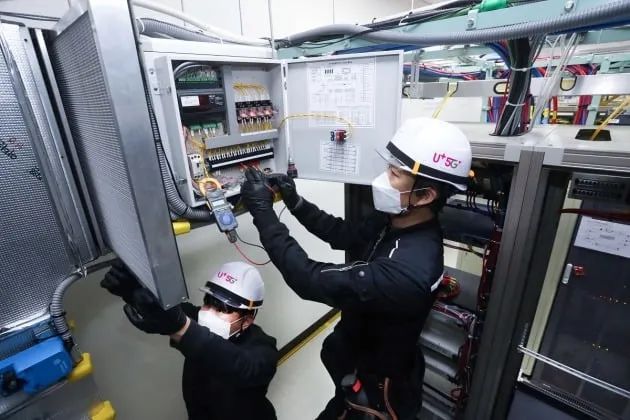
According to the latest data from the Ministry of Science and Information and Communications Technology of South Korea, as of the end of April, the number of 5G terminal users in South Korea reached 15.15 million. This is the first time that the number of 5G users has exceeded 15 million since it was commercialized for about two years and one month on April 3, 2019. Although these 15 million 5G users only account for 21.2% of the total mobile users in South Korea, it is worth noting that the total mobile data traffic contributed by these 21.2% 5G users has exceeded 4G. Data shows that in March 2021, the total data traffic generated by South Korea's 5G network was 368,025TB, slightly higher than the 363,301TB of the 4G network. At the same time, on the other side of the rising 5G network traffic, 4G network traffic hit a record high in March 2020 (a single-month traffic of 470,000TB), and then showed a gradual downward trend.
On the one hand, 5G traffic surpasses 4G, and on the other hand, 4G traffic is gradually declining. It is not difficult to see that South Korea has truly entered the 5G era.
An era has ended and an era has arrived. Goodbye, 2G! Goodbye, CDMA! Hello, 5G!
This content comes from the Internet/Internet mercenary, this website only provides reprinting. The views, stance, technology, etc. of this article have nothing to do with this website. If there is any infringement, please contact us to delete it!
Related Recommendations