






















Service Hotline
News

News

Ignite and take off, Beidou comes to an end!
2021-12-29
1068
justBeidou-3 is the last global networking satelliteFire up and take off!
This is the third geosynchronous orbit satellite of the Beidou-3 global satellite navigation system. With the placement of this satellite in the "big chess game" of the Beidou-3 global network, all 30 Beidou-3 network satellites are in place.The Beidou-3 global satellite navigation system constellation deployment has been fully completed.
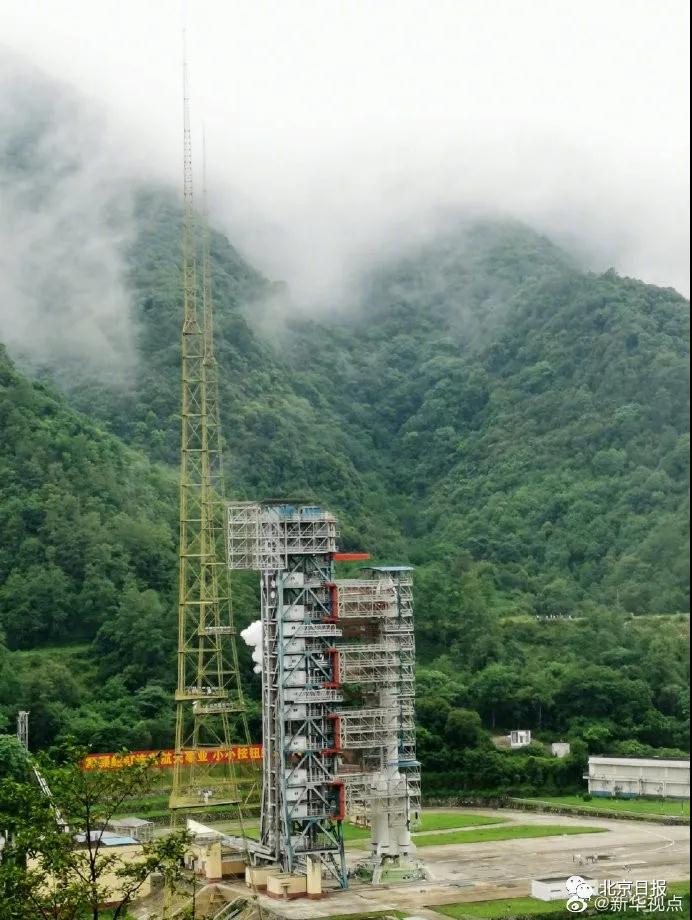
Beidou-3
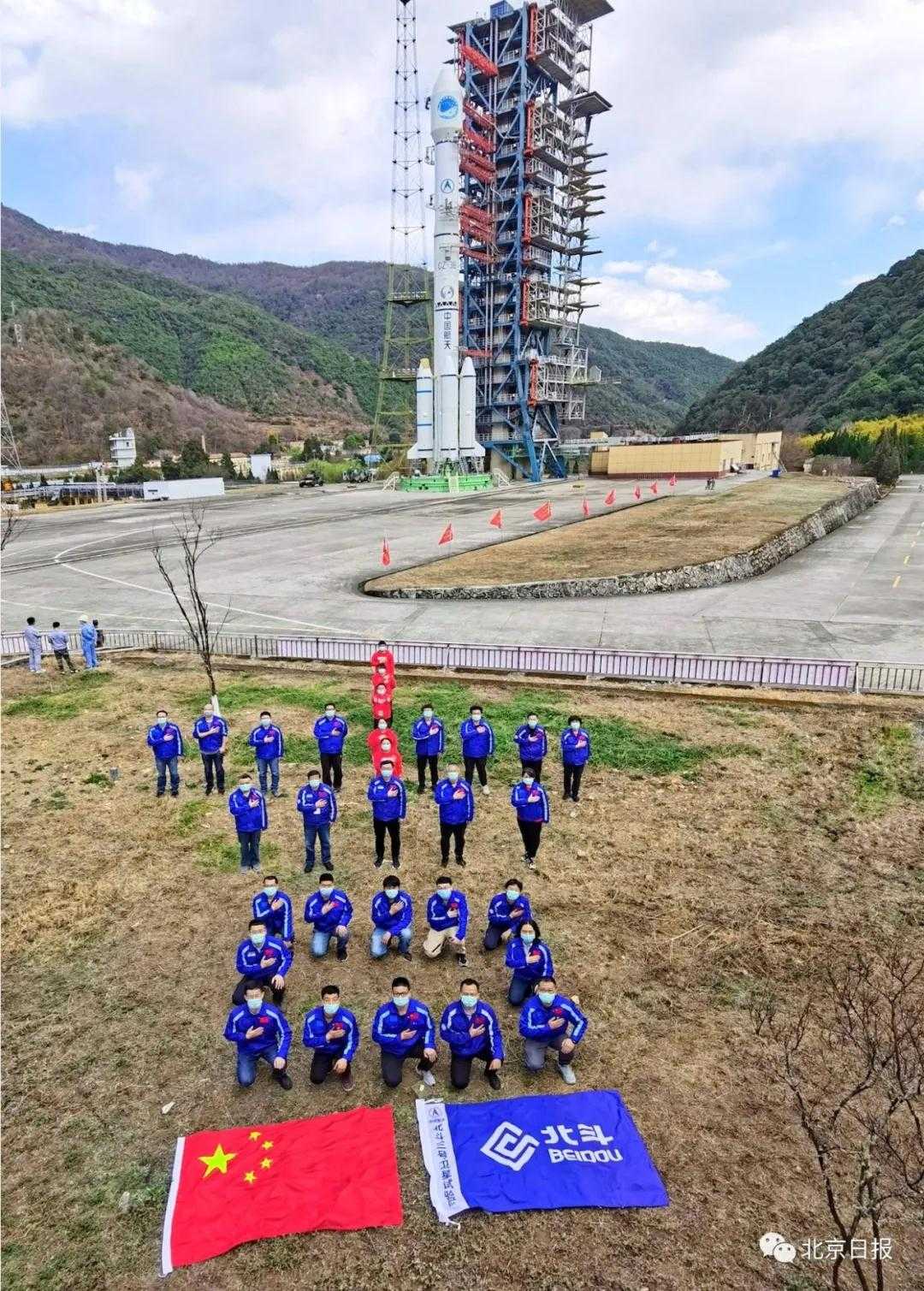
Take a photo in front of the launch tower
The Beidou-3 global satellite navigation system consists of satellites in three different orbits: MEO satellites (medium earth orbit satellites), IGSO satellites (inclined geosynchronous orbit satellites) and GEO satellites (geostationary orbit satellites), including 24 MEO satellites, 3 IGSO satellites and 3 GEO satellites.
Among them, the GEO satellites quietly station in space 36,000 kilometers above the earth, and shoulder an important mission - to provide enhanced services for the improvement of the technical indicators of the Beidou navigation system. They are also affectionately called "lucky stars" by everyone.The one that was successfully launched this time was the third member of the "Jixing" family, and everyone affectionately called it "Xingxing".
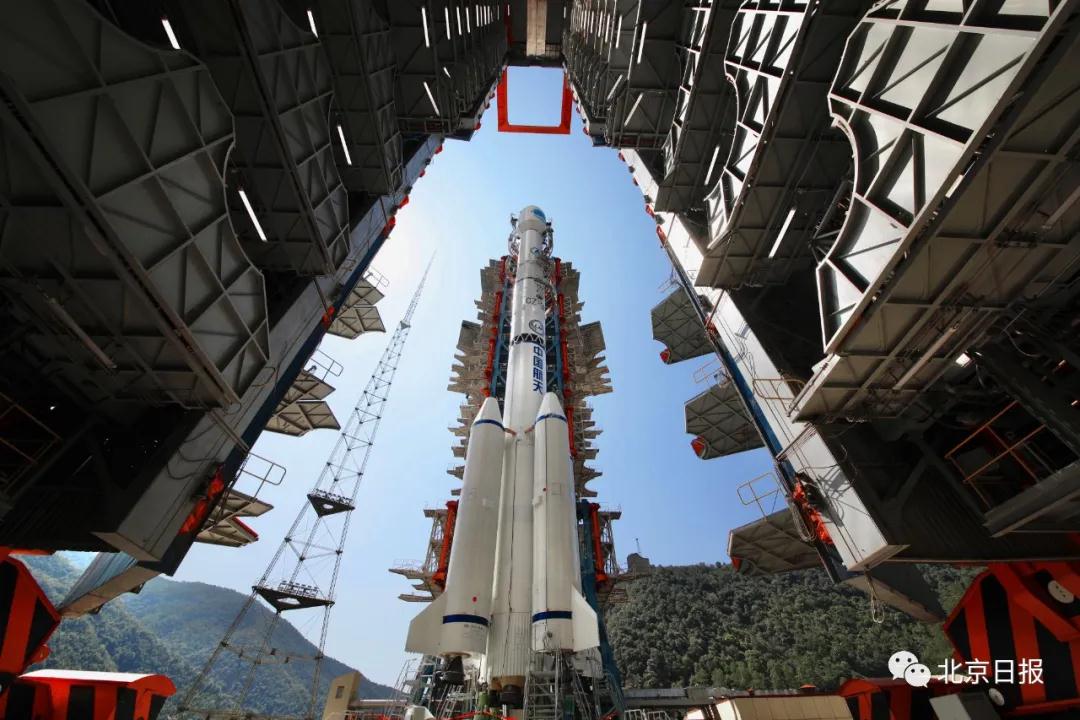
The relevant person in charge of the Fifth Academy said that as the "big man" among the Beidou family, the Jixing family has a large body and a strong body. The satellite platform used is the largest satellite platform currently in service in my country.The Jixing family has inherited the most distinctive features of the Beidou system, active positioning and short message communication, which is a pioneering work of China's Beidou system.
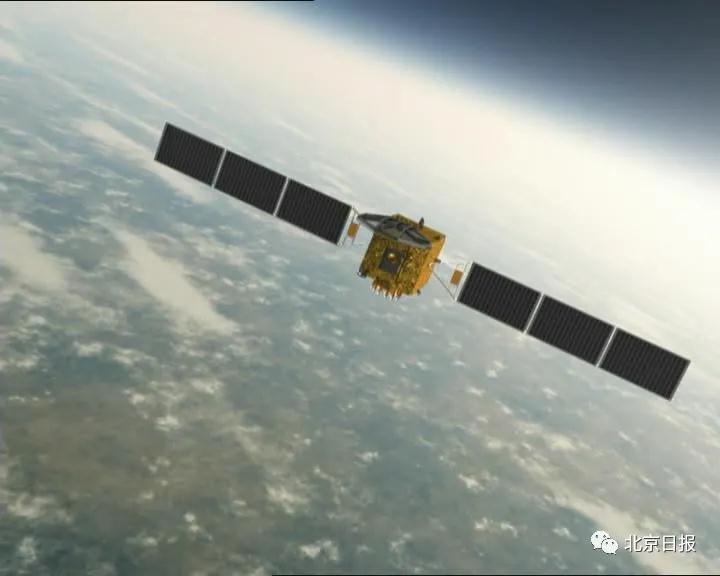
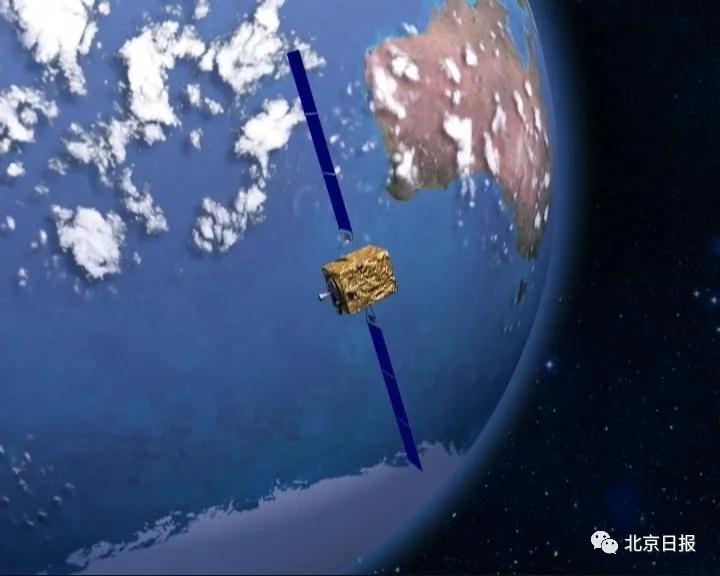
The powerful carrying capacity allows "Xingxing", like its two "brothers", to possess six major capabilities: radio navigation, radio determination, satellite-based enhancement, precision single-point positioning, power enhancement, inter-station time synchronization and positioning, and can provide navigation and enhanced services to users in my country and surrounding areas.
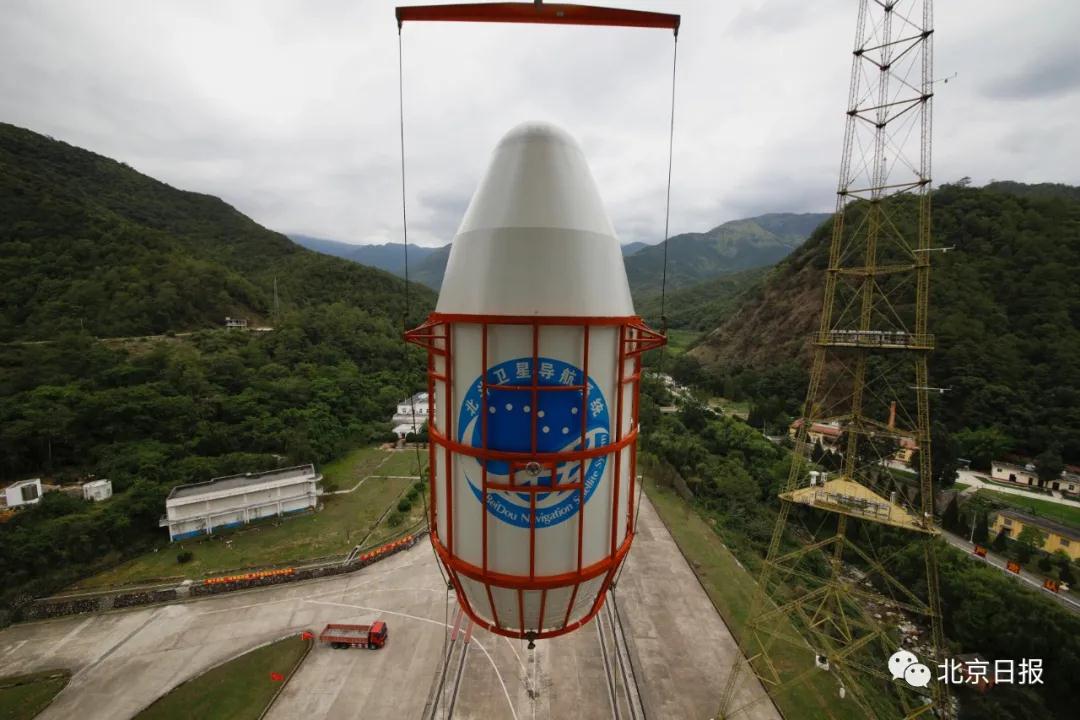
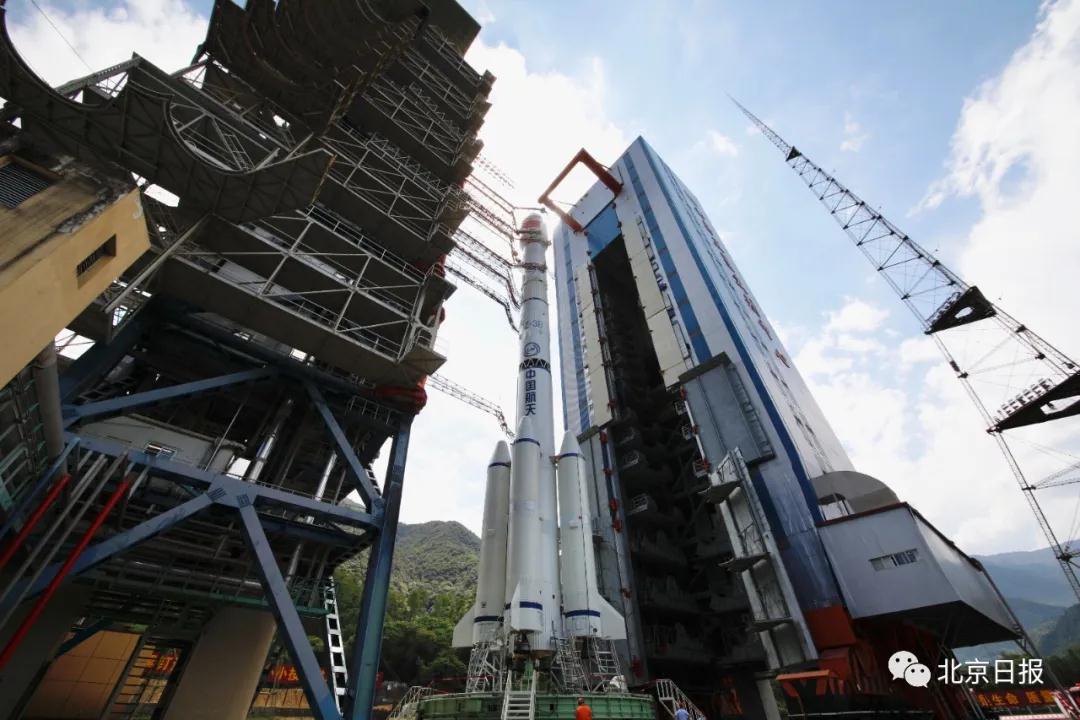
The reporter learned that, as the last "final star" of the Beidou global navigation system,"Liao Xing" is also a masterpiece in terms of localization. With independent intellectual property rights and core technologies, the localization rate of Beidou navigation satellite units and key components has reached 100%.
In addition, the service capabilities of Beidou-3 have been expanded 10 times compared to Beidou-2. In the fields of communications, electricity, finance, surveying, mapping, transportation, fishery, agriculture, forestry and other fields, more people can enjoy the inclusive services of Beidou navigation system.
Behind the Scenes:
Why press the "pause button" 12 hours before launch?
according toLi Dan, deputy chief designer of the Changchun March 3A series rocketsAccording to the introduction, on the evening of June 15, when the launch team was conducting a negative 12-hour pre-launch function inspection, a technical problem was discovered, causing the pressure data to be lower than the design index requirements. The launch team immediately conducted problem troubleshooting and found the fault point in a short time.
Although the indicators have become normal after troubleshooting, astronauts have one of the most basic principles before launch, which is to raise the aircraft without any doubts or hidden dangers.Therefore, the Beidou Engineering Command conducted careful research on this technical issue, and after discussion, the command decided to postpone the launch.
"The astronauts' insistence on 'strictness, prudence, detail and pragmatism' in their work is also fighting for honor. For astronauts, every success will increase their honor, and one failure is enough to clear the past honors." Li Dan said.

When asked why he dared to press the "pause button" on such a launch mission that attracted national attention,Li Dan said, "This launch is the last star in the final step of the Beidou global navigation project and a sign of the comprehensive completion of the Beidou system construction. Behind the decisive decision-making, it would be a lie to say that there is no pressure.But in the face of tremendous pressure, the command made such a decision out of respect for science and adherence to principles.
Three highlights of Beidou-3!
Highlight 1:Constellation inter-satellite link technology enables unlimited connectivity The Beidou-3 development team of the Fifth Academy of the Aerospace Science and Technology Group has conquered the constellation inter-satellite link technology and adopted an integrated design of inter-satellite and satellite-ground transmission functions to achieve link interoperability between satellites and satellites and satellites and ground stations. This means that although the Beidou satellites on the other side of the earth are "invisible", they can also be contacted using the inter-satellite links of the Beidou satellites.
Highlight 2:New technology enables long satellite lifeChi Jun, commander-in-chief of the Beidou-3 satellite of the Fifth Academy of Aerospace Science and Technology Group, said that once satellite navigation services are interrupted, the normal operation of the country and society will be greatly affected. Therefore, strict design requirements are put forward for the reliability and continuity of satellite navigation.The Beidou-3 satellite has adopted a number of reliability measures to enable the satellite's design life to reach 12 years, reaching the advanced level of international navigation satellites.
Highlight 3:New "artifact" makes service "zero error" my country's Beidou satellite uses rubidium atomic clocks and is also equipped with a newly developed domestically produced hydrogen atomic clock with higher performance. Although the hydrogen atomic clock has greater mass and power consumption than the rubidium atomic clock, its stability and drift rate are better. The on-orbit application of spaceborne hydrogen atomic clocks plays an important role in realizing Beidou navigation and positioning "accurate every second."
Numbers say "Beidou Special Train" Long March 3A series rockets
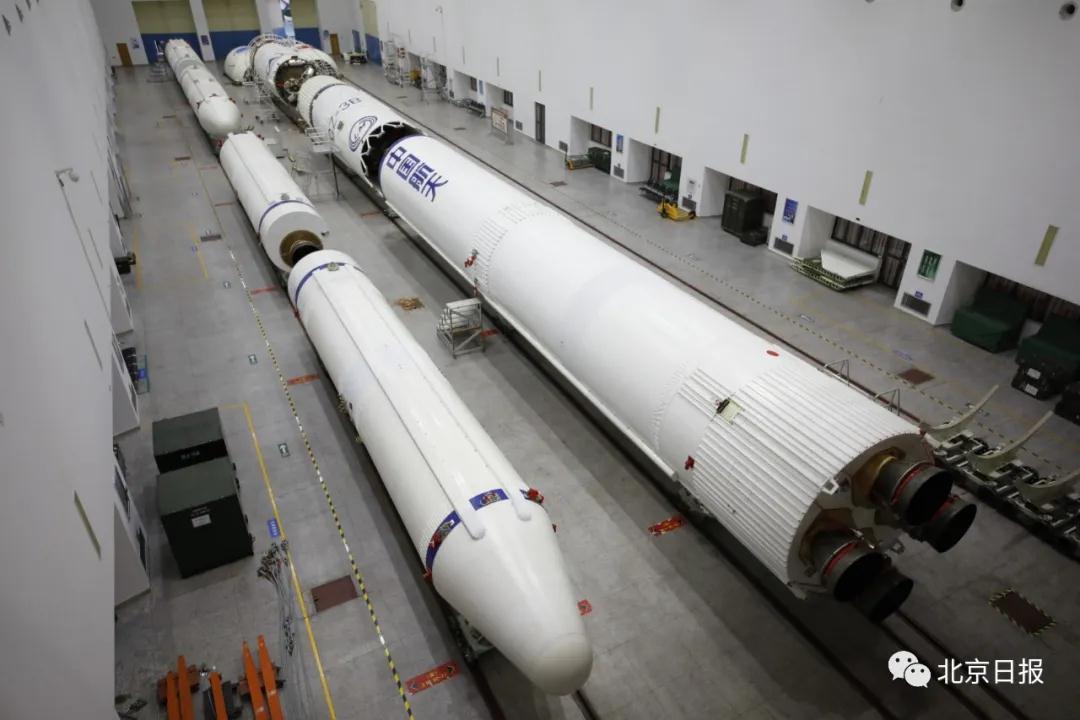
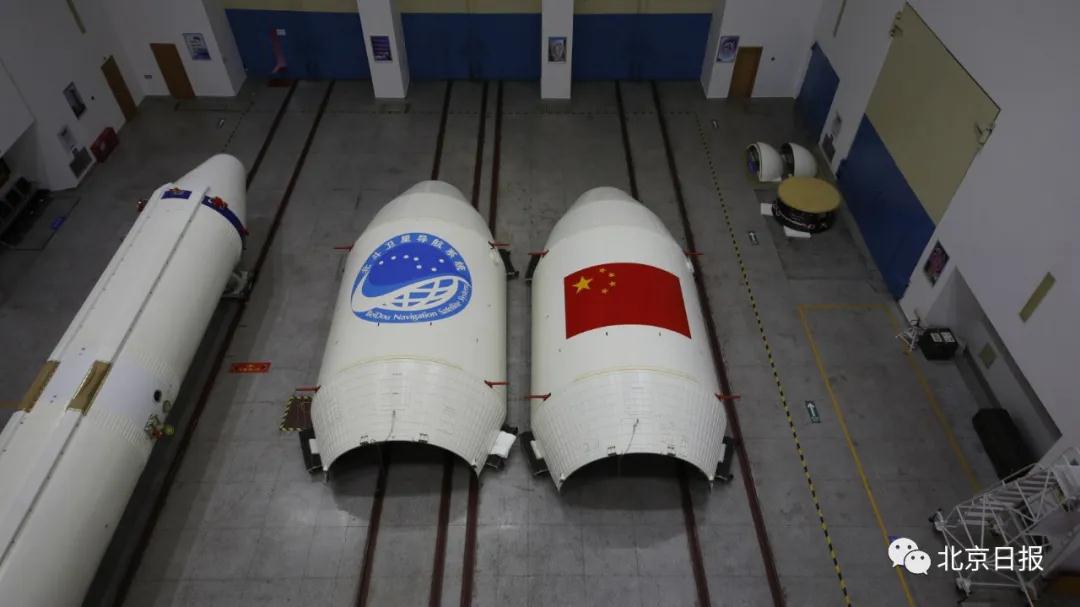
The Long March 3A series launch vehicles are composed of three large cryogenic liquid launch vehicles, Long March 3A, Long March 3B, and Long March 3C. They are the rocket series with the most launches and the highest success rate in my country. They have taken over the vast majority of my country's high-orbit spacecraft launch missions and are the "main force" of the Long March series of high-intensity launch vehicles.
On June 23, 2020, the Long March-3B carrier rocket developed by the First Academy of China Aerospace Science and Technology Corporation sent the Beidou-3 satellite into the predetermined orbit. So far,The Long March-3A series of carrier rockets conducted a total of 44 launches, successfully escorting 59 Beidou navigation satellites into space (including this mission), completing all launch missions of the Beidou navigation project, with a 100% launch success rate. The Long March-3A series rockets are also vividly called the "Beidou Special Train."
20年
The duration of the Changsanjia series rockets performing Beidou navigation missions
100%Beidou Navigation Satellite Launch Mission Successful
Counting from the launch of the first Beidou-2 navigation test satellite in 2007, in the past 12 years, the Changsan-A series rockets have delivered 55 Beidou navigation satellites into predetermined orbits with 40 successful and perfect performances. If you include the Beidou navigation test satellites launched earlier, the Changsan-A series rockets have escorted 59 Beidou satellites into orbit with 44 launch success rates of 100%.
19 daysBeidou network high-density launch record
Since the launch of global network construction in November 2017, the Beidou navigation project has entered the "fast lane" of construction. Especially in 2018, the Long March-3A series rockets were launched 10 times and successfully put 18 Beidou navigation satellites into orbit.
It is worth mentioning that in the 133 days from July 10, 2018 to November 19, 2018, the Long March-3A series rockets were launched 7 times, successfully sending 12 Beidou navigation satellites into orbit. The average interval between rocket launches was only 19 days, setting a record for high-density launches in the Beidou network.
12 timesThe number of times Yuanzheng-1 upper stage performed Beidou-3 networking tasks
On November 5, 2017, the Long March 3B/Yuanzheng 1 carrier rocket successfully sent the Beidou 3 first twin satellites into the predetermined orbit at the Xichang Satellite Launch Center. The satellites launched this time are the 24th and 25th satellites of the Beidou Satellite Navigation System, and the 1st and 2nd Beidou-3 networking satellites, opening a new era of global networking for the Beidou Satellite Navigation System.
The Yuanzheng-1 upper stage successfully completed 12 missions during the launch of the Beidou-3 project, accurately delivering 24 MEO orbit satellites into predetermined orbits, laying a solid foundation for the final successful completion of the Beidou-3 project networking mission.
112 timesChina’s single series of launch vehicles with the most launches
The Changsan-A series rockets are the single series of carrier rockets that have been launched the most in my country, with a total of 112 launches as of this launch mission.
The reason why it has become the single series of carrier rockets with the most launches in our country is that the Changsan-A series rockets can launch single satellites or multiple satellites with one rocket. They can be used for standard geostationary transfer orbit launches, super synchronous transfer orbits or low-inclination synchronous transfer orbit launches, as well as deep space probe launches. They can also achieve lateral maneuvering orbit changes, multiple spins, despins, orientations, etc. during flight, which can meet the various requirements of satellite users.
18 timesNumber of times the Changsanjia series rockets have carried out Beidou-3 missions
Since the first Beidou-3 launch of the Changsan-A series rockets on November 5, 2017, in more than two years, the Changsan-A series rockets have completed 18 launches, meeting the requirements for rapid Beidou-3 network formation.
The development team has increased the development and production capacity of liquid launch vehicles from 2 to 3 launches a year to 8 to 10 launches; the launch cycle has been reduced from 60 days to 21 days, and the launch team has been reduced from more than 200 people to about 100 people, laying a solid foundation for the successful completion of high-density launch missions and the innovative development of launch vehicle management technology.
22 timesThe number of Beidou navigation satellite launch missions carried out by the Long March 3B carrier rocket
Since its first Beidou Navigation Project launch mission in 2012, the Changsan-B rocket has carried out 22 Beidou Navigation Project launch missions and successfully launched 37 Beidou Navigation Satellites into space.Because it has the characteristics of high task adaptability and high reliability, Changsanyi is also the rocket that has been launched the most among the "Three Brothers". (The Long March-3A rocket was launched 12 times, and the Long March-3C rocket was launched 10 times.)
Chinese Beidou,The sword points to the sky.the sea of stars,Here we come!
This article is reproduced from "beijing daily", support the protection of intellectual property rights, please indicate the original source and author when reprinting. If there is any infringement, please contact us to delete it.
Related Recommendations