























サービスホットライン
ニュース

ニュース
RFIDベースの固定資産管理システム
2021-12-28
614
1.プロジェクトの概要
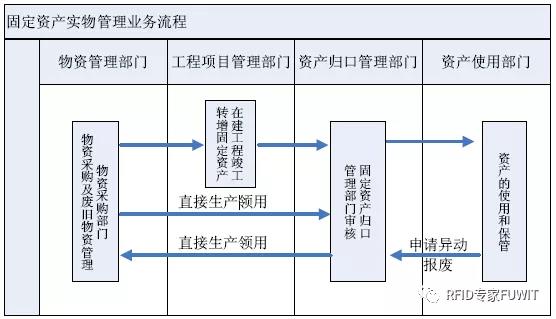
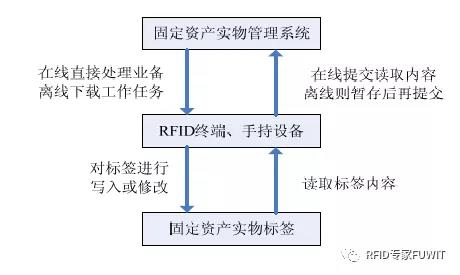
企業の固定資産管理業務において、固定資産は資材調達部門から直接受領されるか、プロジェクト完了後に生産・運用部門に移管されて固定資産となります。使用中の固定資産は、技術革新や生産拠点間の転換に伴い交換されます。事故や自然摩耗により廃棄せざるを得ない固定資産もあります。企業の固定資産業務セグメントは多岐にわたり、技術革新の急速な進展に伴い、固定資産も急速に変化・交換されます。企業の物理的な固定資産管理モデルを以下の図に示します。
2. RFID技術の応用
3. システムソリューション
3.1 システムハードウェアアーキテクチャ
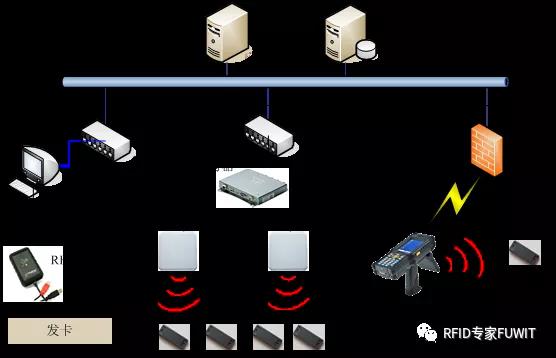
3.2 システム機能
3.2.1発行カード
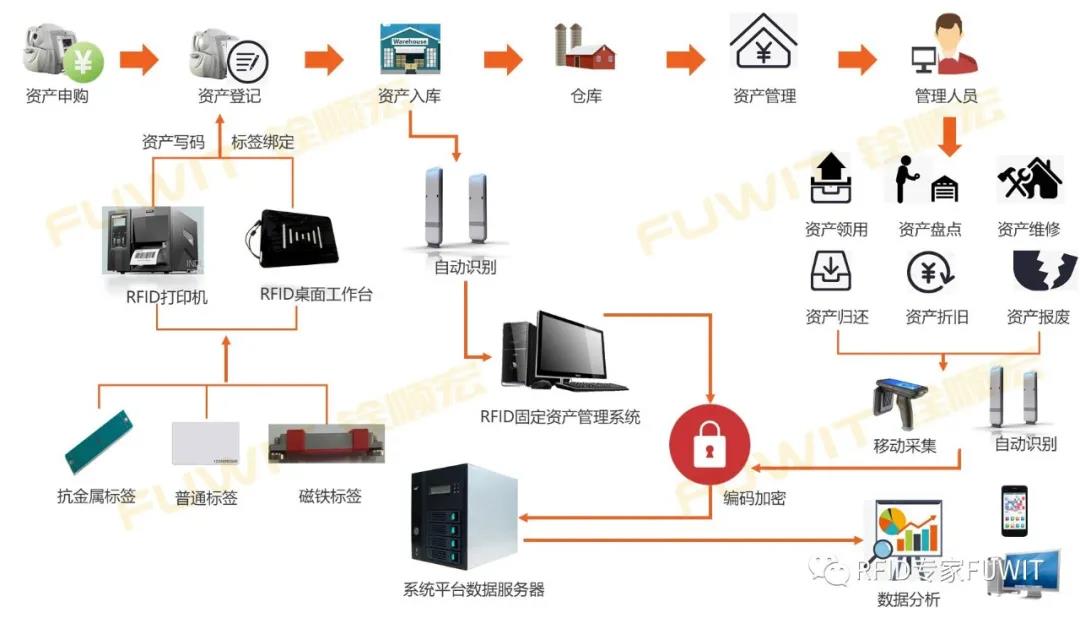
Use the RFID card issuer to write the fixed asset identity information into the RFID tag, and bind the RFID tag to the corresponding asset to generate basic data information for fixed asset management.
3.2.2Inbound and outbound management
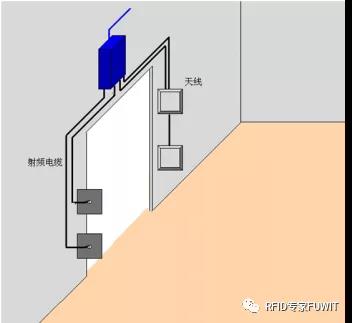
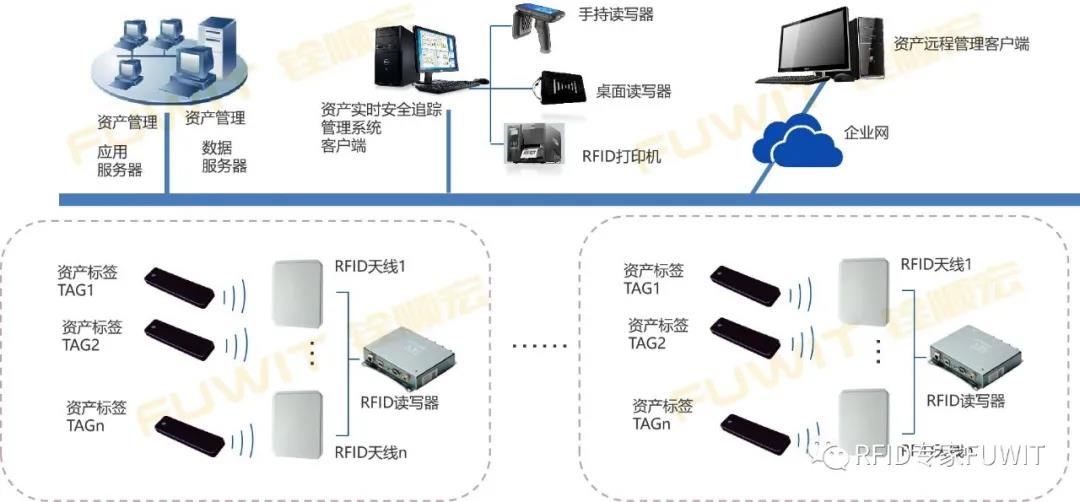
固定資産が倉庫に出入りする際、RFIDリーダーはアンテナを通して無線周波数信号を発信し、資産に取り付けられたRFIDタグは誘導電流を受け取ります。これにより、RFIDタグは作動可能になり、自身のコードやその他の情報をリーダーに送信します。リーダーは情報を受信し、ネットワーク経由で資産管理アプリケーションシステムにアップロードします。システムは資産の識別を自動的に行い、資産モデル、資産番号、入出庫時間、取扱者、承認者などの資産情報を登録し、資産の流れをリアルタイムで把握します。
同時に、システムは受取人の身元と権限も検証できます。不一致があった場合は、システムが自動的に警察に通報します。システムは、照会、分析、統計、印刷などの機能を提供し、資産管理の情報化レベルを大幅に向上させます。
3.2.3インベントリー
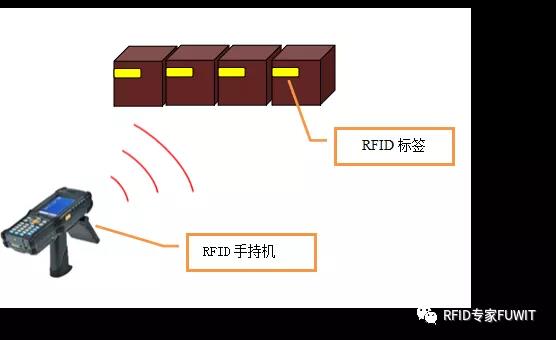
棚卸しを行う前に、固定資産情報を携帯型RFID端末にダウンロードします。棚卸し中は、紛失または置き忘れた資産がアプリケーション上でハイライト表示されます。オペレーターはユーザーインターフェースを通じて棚卸し結果を更新できます。棚卸しが完了すると、アプリケーションがコンピュータネットワークに接続された際に、データ結果がRFIDシステムにアップロードされます。棚卸しの動作方法は図3.3に示されています。
●固定資産に関する包括的な調査
●System maintenance function
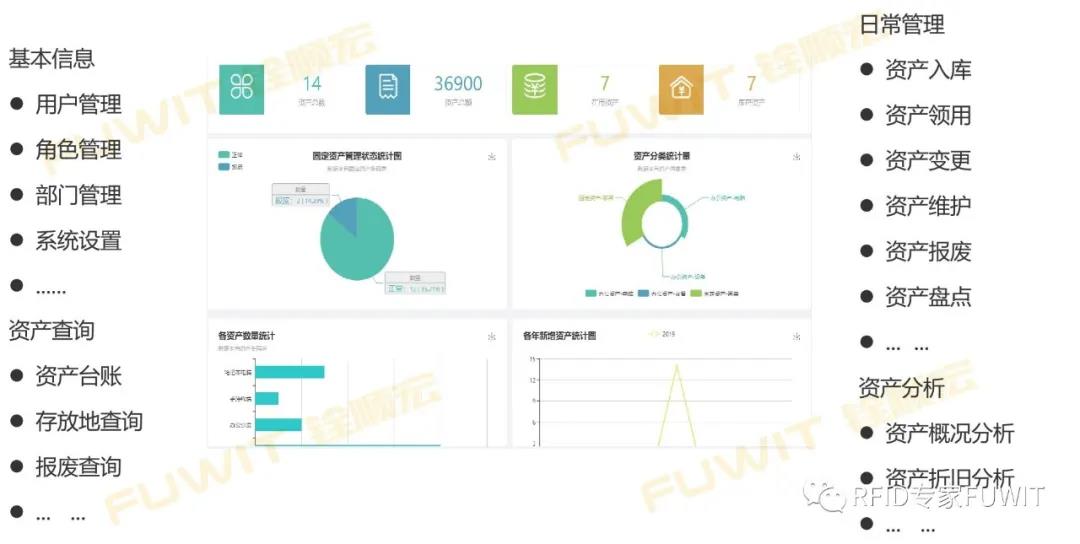
Permission control function: Divide users into different levels to determine user permissions to use the system, and determine different permissions based on different permissions.操作。
3.3 アプリケーション収益
Introducing physical information collection tools using RFID technology to effectively solve the bottleneck problem of fixed asset data analysis and collection input and real-time recording of actual consumption information of fixed assets. To truly reflect the actual situation and actual distribution of fixed assets, truly achieve online and visual management, achieve the unification of physical objects and management ledgers, completely unify accounts, cards, and objects, and achieve integrated visual management of physical objects and management systems.
4. System topology diagram
5. システムフローチャート
6. システム機能
7. モバイル管理プラットフォーム
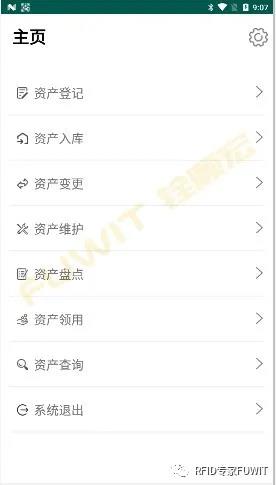
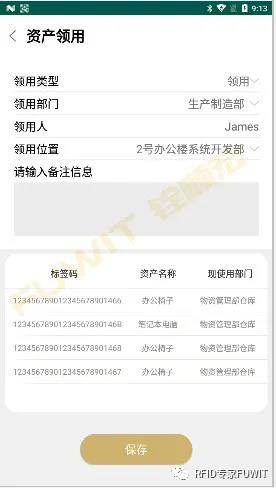
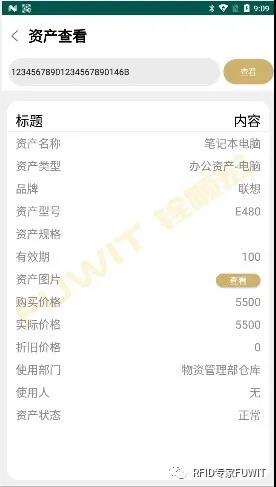
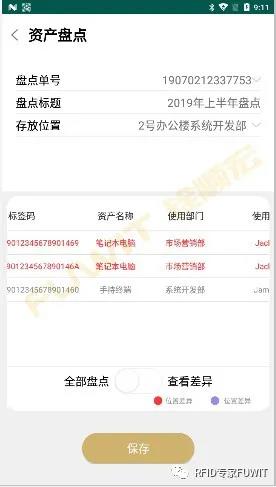
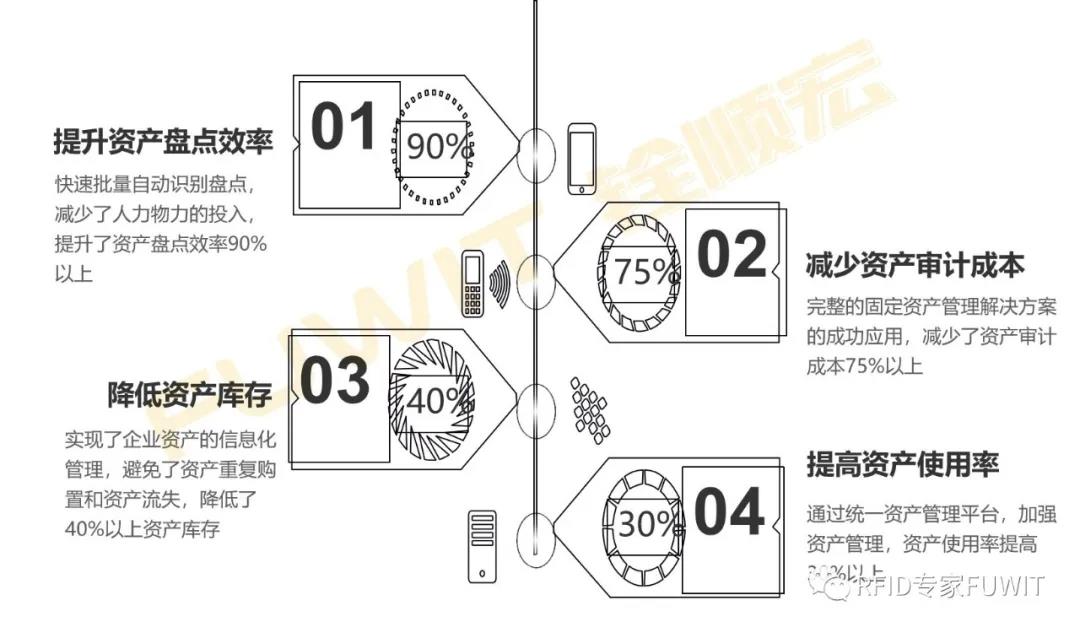
8. アプリケーションのメリット
9. 機器の選択
9.1固定式リーダライタ
FU-M6-Aは、750タグ/秒の高速読み取り能力を備えた4チャンネル超高周波RFIDリーダーです。最大4本のアンテナを同時に接続でき、より広い範囲をカバーし、読み取り漏れのない迅速なデータ収集を実現します。同時に、FU-M6-Aは強力な耐干渉性を備え、さまざまな過酷な産業環境に適応し、Wi-Fi接続をサポートしているため、主要ノードへの設置が容易かつ柔軟になります。

タグプロトコル | EPCglobal Gen 2 (ISO 18000-6C) DRM サポート;ISO 18000-6B (*選択可能); I-PX(*オプション) |
アンテナコネクタ | 4つの逆TNCコネクタを搭載。4つの独立したアンテナをサポート。 |
RF出力 | 独立した読み書きモード、5~31.5dBm出力(1.4W)、±0.5dBm調整可能 |
周波数特性 | FCC(NA,SA)902-928MHz;ETSI(EU) 865.6-867.6MHz;MIC(Korea)910-914MHz;SRRC-MII(P.R.China);920-925MHz |
通信インターフェイス | 10/100 Base-T イーサネット; |
ワイヤレスネットワーク(オプション) | 802.11 b/g 内蔵(*オプション) |
タグ読み取り速度 | Greater than 750 tags/second |
Tag reading distance | 30フィート以上(9M)6dBiアンテナ(36dBm EIRP)採用 |
最大読み取り/書き込みEPCID長さ | 最高496ビット |
オペレーティングシステム | Linuxカーネルバージョン2.6 |
9.2 ハンドデバイス
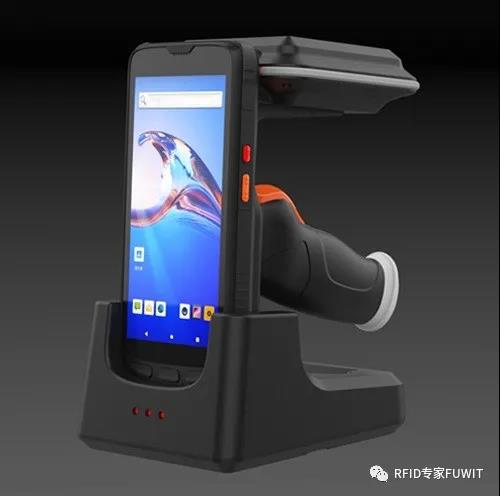
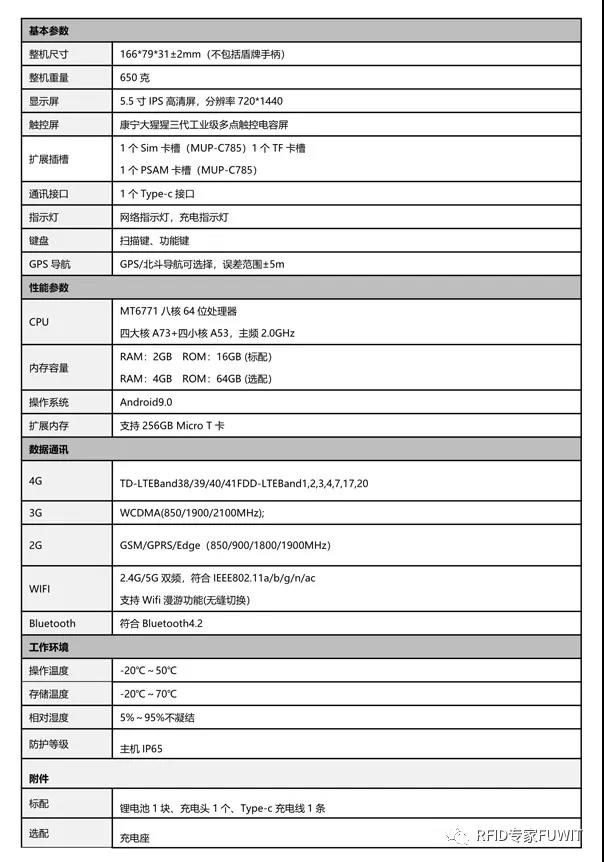
Handheld devices are mainly used for searching, inventorying and processing daily business processes of fixed assets. They involve many functions and have a wide range of applications, which puts forward higher requirements for the RFID reading module in the device.
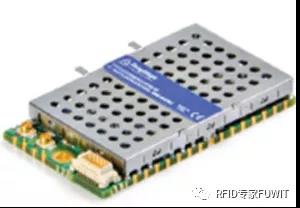
タグプロトコル | EPCglobal Gen 2 (ISO 18000-6C) DRM サポート;ISO 18000-6B (*選択可能); I-PX(*オプション) |
アンテナコネクタ | マシンまたはマザーボードの端に接続する2つの50オームUFL接続端子を備え、2つの独立したアンテナをサポートします。 |
RF出力 | 独立した読み書きモード、-5~30dBm出力、±1dBm調整可能 |
周波数特性 | ETSI (EU、インド) 865.6-867.6 MHz;TRAI 865-867 MHz (インド);KCC (韓国) 917-920.8 MHz;ACMA (オーストラリア) 920-926 MHz;SRRC-MII (中国) 920-925 MHz;オープン (カスタマイズ可能なチャネル プラン;865-868MHz および 902-928 MHz); |
コネクタ | Equipped with 28-pin stamp hole connector connection mode (including power supply, communication and GPIO) |
通信インターフェイス | シリアル非同期通信、3.3V または 5V ロジック。 ボーレート 9600-921、600bps; USB2.0ハードウェアインターフェース(最大12Mbps) Restart and shutdown control |
タグ読み取り速度 | Greater than 750 tags/second; use high performance settings |
Tag reading distance | 30フィート以上(9M)6dBiアンテナ(36dBm EIRP)採用 |
9.3 装置チェックリスト
シリアルナンバー | 商品名 |
| 演算 | 量 | その他 |
1 | 固定リーダー/ライター | FU-M6-A | Reader/Writer | 1 | |
2 | アンテナ | RAA915-9R40 | リーダーアンテナ | 4 | |
3 | RFケーブル | カスタムメイド | RFケーブル | 4 | |
4 | モバイルハンドヘルド端末 | W9900X | モバイルワーク | 1 |
このコンテンツはインターネットからのものです。RFID 家電 FUWITこのウェブサイトは転載のみを提供しており、この記事の見解、立場、技術等は当ウェブサイトとは一切関係ありません。著作権侵害がございましたら、削除いたしますのでご連絡ください。
関連おすすめ
Kinghelm 営業副部長の彭慧生:深圳に住む客家出身者、努力を通じて当初の志を貫く
2026-08-03
1313
ソン・シチャンが語る戦略:2026年エレクトロニカ上海対話のハイライト
2026-07-21
1376
清華大学の情熱: 材料科学における課題の克服 – CEN寧波金山新材料会社のCen Jianjun氏へのインタビュー
2026-07-14
1348
大胆なビジョン、勇敢な行動、次の波に乗るのはあなたかもしれない!―嘉正新城創業者、謝維新氏へのインタビュー
2026-06-30
1573