























Service Hotline
חֲדָשׁוֹת

חֲדָשׁוֹת

אתגרים ואמצעי נגד העומדים בפני פריסה רחבת היקף של 5G
2021-12-28
908
סיכום:עם פיתוח רישיון המסחרי של 5G במדינתיProvisioning, network-scale deployment has become crucial. This article analyzes in detail the potential for 5G-scale deployment from multiple perspectives.הזמן המתאים, כמו גם הבעיות והאתגרים שעשויים להיתקל בהם ב-6 היבטים, ולבסוף להתמקד באתגרים העיקרייםיינקטו צעדים תואמים.
הַקדָמָה
On December 6, 2018, the Ministry of Industry and Information Technology issued 5G system mid- and low-band test frequency licenses to the three major telecom operators. Among them, China Telecom and China Unicom obtained test frequency use licenses in the 3500MHz band, and China Mobile obtained test frequency use licenses in the 2600MHz and 4900MHz frequency bands. Frequency resources are the core strategic resources of mobile communication networks. The issuance of my country's 5G system trial frequency licenses effectively guarantees telecom operators to comprehensively carry out the construction of 5G large-scale trial networks and further promotes the maturity and development of my country's 5G industry chain.
שלושת המפעילים הגדולים מבצעים באופן פעיל גם בניית רשת ניסוי 5G ברחבי המדינה. צ'יינה מובייל בנתה רשת ניסוי בקנה מידה גדול בחמש ערים: שנגחאי, סוז'ואו, האנגג'ואו, גואנגג'ואו וווהאן בשנת 2018, והרחיבה אותה ל-40 ערים בשנת 2019. צ'יינה טלקום בנתה רשת ניסוי בקנה מידה גדול חוצת מחוזות ותחומים, כאשר SA כמרכיב העיקרי ורשת היברידית SA/NSA, והשיקה פיילוטים להדגמת חדשנות 5G ב-17 ערים, כולל בייג'ינג, שנגחאי, גואנגג'ואו ושנג'ן. צ'יינה יוניקום קידמה את פריסת רשת הניסוי 5G "7+33+n", המכסה את אזורי הליבה של שבע ערים, כולל בייג'ינג, שנגחאי, גואנגג'ואו, שנזן, נאנג'ינג, האנגג'ואו ושיונגאן, השיגה כיסוי אזורי נקודות חמות ב-33 ערים, והתאימה אישית רשתות 5G בערים n.
On June 6, 2019, the Ministry of Industry and Information Technology issued 5G commercial licenses to China Telecom, China Mobile, China Unicom, and China Radio and Television. my country has officially entered the first year of 5G commercialization. Large-scale deployment of 5G network construction is the primary task faced by telecom operators. This article analyzes the possible problems and challenges faced by large-scale deployment of 5G from multiple perspectives such as standards, equipment, basic resource reserves, and vertical industry applications.
עיתוי פריסת 5G בקנה מידה גדול
ההנפקה המוקדמת של רישיונות 5G מסחריים של ארצי אינה אומרת שהתנאים לפריסה בקנה מידה גדול יתמלאו באופן מיידי.בהשוואה לתהליך המסחרי של 4G, הגרסה הראשונה של תקן R8 פורסמה בשנת 2009, ומפעילים זרים החלו להשתמש בו מסחרי בשנת 2009. לאחר ש-ITU אישר רשמית את LTE-Advanced כתקן 4G הרשמי בשנת 2012, ארצי הנפיקה רשמית רישיונות 4G בדצמבר 2013. מכיוון שישנם תקנים בוגרים, ציוד וניסיון בבנייה בקנה מידה זר לעיון, מפעילים מקומיים ביצעו מיד פריסת רשת בקנה מידה גדול.התקן המלא עבור 5G (R16) לא יפורסם עד 2020. נכון לעכשיו, תקנים, שבבים, ציוד ויישומים אינם מוכנים לפריסה מלאה.The timing of large-scale 5G deployment depends on several important factors.
1.1 תהליך סטנדרטי
שתי הגרסאות של תקני R15 (אופציה 3 ואופציה 2) פורסמו בדצמבר 2017 וביוני 2018 בהתאמה, ותקן גרסת ה-Late Drop (אופציה 4/7) פורסם ביוני 2019. תקן R16, שמממש באמת את כל הפונקציות של 5G, יפורסם במרץ 2020 ויוקפא ביוני. מהתהליך הסטנדרטי, הרשת הנוכחית יכולה לתמוך רק בשירותי eMBB ו-URLLC בסיסיים.
1.2 Chips and equipment are mature
In January 2019, the IMT-2020 (5G) Promotion Group announced at the 5G technology research and development test phase 3 summary meeting held in Beijing that the 5G phase 3 test was basically completed. Both 5G base stations and core network equipment can support non-independent networking and independent networking modes. The main functions are in line with expectations and have reached pre-commercial levels.
ב-21 במאי 2019, הצהיר משרד התעשייה וטכנולוגיית המידע בתדרוך המדיניות הקבוע של מועצת המדינה שערך משרד המידע של מועצת המדינה כי מוצרי ה-5G של ארצי הופכים לבשלים יותר ויותר, ומערכות, שבבים, מסופים וקישורים אחרים הגיעו למעשה לרמות מסחריות, והם מוכנים לפריסה מסחרית.
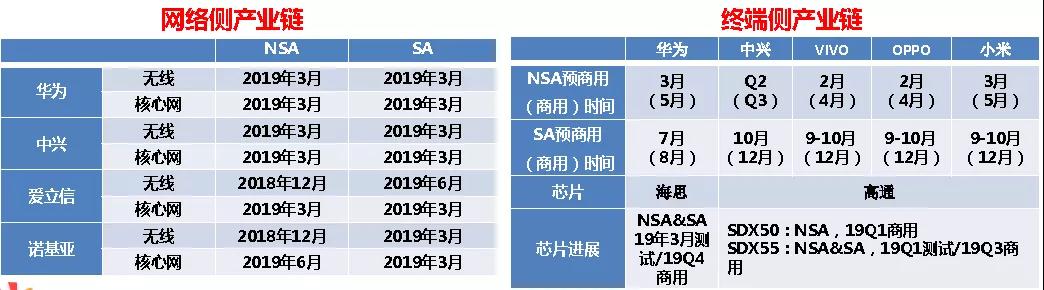
תהליך האספקה של מוצרים עיקריים בצד רשת ה-5G ובצד הטרמינלי מוצג בטבלה 1 ובטבלה 2.
1.3 Basic resource reserves
Compared with 4G networks, 5G has undergone revolutionary changes from network structure to equipment form, and has higher and stricter requirements for various basic resources. CU/DU/AAU reconstruction and new business requirements have triggered the adjustment of the 5G access network network structure, with the addition of fronthaul bearing, CU/DU aggregation (C-RAN networking), UPF/MEC sinking and other major changes. The demand for access-side transmission resources (optical switches, pipes, optical cables) and aggregation equipment rooms, two basic physical resources, needs to be adjusted, optimized and added as much as possible before large-scale base station deployment.
המגדלים והקומות הקיימים כבר נושאים ציוד רשת 2/3/4G בסטנדרטים ותדרים שונים משלושת מפעילי התקשורת הגדולים. רמת הבנייה המשותפת והשיתוף גבוהה מאוד. קשה מאוד להוסיף יחידות AAU של 5G, במיוחד כדי לעמוד בפריסה בו זמנית של מספר מפעילים. לפני פריסה בקנה מידה גדול, יש צורך לפרט, לשלב ולמטב את המגדלים והמערכות הקיימים כדי לשפר את הזמינות והערך של האתרים הקיימים.
1.4 Application maturity
The design goal of 5G is to fully meet the needs of the three major scenarios (eMBB/uRLLC/mMTC), evolving from to C as the main player to to C and to B flying together. From a certain perspective, the mission of 5G is to fully enable various vertical industries and drive the informatization and intelligent upgrading of all walks of life in society through integration with vertical industries. At present, the integrated application of 5G and vertical industries is still in the preliminary exploration stage (as shown in Figure 1). Telecom operators demonstrate network capabilities and application prospects through various 5G+ application demonstrations, set up platforms, build circles, and form groups to achieve mutual penetration and mutual influence, driving the true commercial maturity of 5G applications, which in turn promotes more complete network construction.
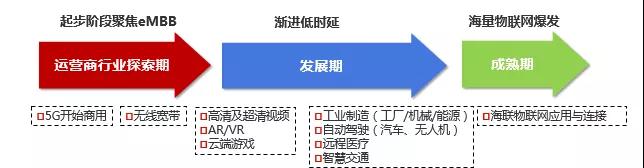
Figure 1 5G application development stages and typical applications
1.5 תמיכה של הממשל המקומי
בהתבסס על בגרות הסטנדרטים והטכנולוגיות, ממשלות מקומיות הציגו מדיניות לתמיכה בפיתוח תשתיות ותעשיות הקשורות ל-5G, וניסחו תוכניות פעולה ברורות ויעדי פיתוח. בהתבסס על "חוות דעת היישום של ממשלת העם במחוז ג'ג'יאנג בנושא האצת פיתוח תעשיית ה-5G" כדוגמה, יש לה תוכניות מפורטות לשני צמתי זמן (2020 ו-2022) שיש לבצע. בהתבסס על משימות הבנייה שהושלמו ויעדי כיסוי הרשת, עד 2022, ניתן יהיה להשתמש ב-5G באופן נרחב ולשלב אותו עמוק בתחומים כלכליים וחברתיים שונים, להגיע לרמה מובילה בינלאומית, לבנות מערכת אקולוגית תעשייתית 5G מצוינת, ולהפוך לאזור חלוץ לאומי לבניית רשת 5G, אזור אשכול פיתוח תעשיית 5G בעל השפעה בינלאומית ואזור הדגמת יישומים חדשניים של 5G.
1.6 The right time for large-scale deployment
Based on the above factors, it is recommended that the pace of domestic 5G network deployment is as follows: In 2019, it will start in hotspot areas in key cities and areas with high demand, and then continue to develop and advance; in 2020, the first large-scale deployment will be carried out after the official launch of the R16 standard, and network-driven services will further mature. From 2012 to 2022, the breadth and depth of network deployment will continue to be expanded, and the network deployment strategy and capability will be refined based on coverage and business scenarios to effectively match and support the integrated development of various industries and 5G.
אתגרים שניצבו בפניהם
לאחר שתקנים וציוד יבשילו, קידום פריסה בקנה מידה גדול של רשתות 5G עדיין יעמוד בפני קשיים ואתגרים שונים בתכנון הרשת, משאבים בסיסיים ויישום הנדסי, אשר ניתן לסכם כדלקמן.
2.1 Choice of network NSA/SA deployment
בשלב המוקדם, 5G משתמש בעיקר ביכולות גישה ברוחב פס גדול כדי לתמוך בשירותים בעלי תעבורה גדולה, כגון VR, AR, תמסורת שידור חי ברזולוציה גבוהה של 4K/8K וכו'. על מנת למסחור במהירות את 5G, ניתן לפרוס NSA (פתרון אופציה 3) המבוסס על EPC של רשת הליבה של 4G בשלב המוקדם. עם בגרות הסטנדרטים, הציוד והתעשיות, והביקוש לשירותים בעלי השהייה נמוכה וחיבורים גדולים יותר, הפך להיות חובה לבנות רשת SA (פתרון 5GC+NR, אופציה 2) התומכת באופן מלא בדרישות העסקיות החדשות של 5G ובפונקציות קשורות.
מנקודת מבט של ניצול הזדמנויות שוק, יש צורך לפרוס במהירות את רשת ה-5G המבוססת על NSA ולאחר מכן להמיר ולשדרג אותה לרשת SA. מניתוח מקיף של עלויות הבנייה (TCO) עולה כי עלות בניית NSA תחילה גבוהה יותר מפריסת רשת SA ישירות לפי דרישה.
2.2 מהם השינויים וההשפעות של gNB לאחר שחזור CU/DU?
תחנת הבסיס gNB של 5G לאחר שחזור CU/DU מחולקת לשלושה חלקים של פונקציות לוגיות CU+DU+AAU, מה שמעלה את השאלות הבאות: האם הישויות הפיזיות של CU/DU מותקנות במשותף או מופרדות, איזו שיטה משמשת עבור נושא חזיתי בין AAU ל-DU, ההשפעה של הצורה (נפח, משקל, צריכת חשמל) של AAU, והאם יש להתאים את ארכיטקטורת רשת הגישה האלחוטית. בין הסוגיות הללו, הצורה והפריסה של CU ו-DU הן הקריטיות ביותר. נכון לעכשיו, צורת הציוד המסופקת על ידי התעשייה היא שילוב של CU/DU, הדומה ל-4G BBU. ניתן לפרוס אותו באופן מרכזי או מבוזר. נושא השידור מחולק לחזיתי + רקעי. בהתבסס על צרכי העסק בשלב מאוחר יותר, CU ו-DU הן ישויות פיזיות עצמאיות, היוצרות ארכיטקטורה בת שלוש רמות (CU-DU-AAU). מיקום פריסת ה-CU יכול להיות גבוה או נמוך. בהתבסס על צרכי העסק, ניתן לצבור או לפזר DU. נושא השידור מחולק ל- fronthaul + midhaul + backhaul.
2.3 Is there any adjustment to the 5G NR access network architecture?
Since the emergence of distributed base stations (BBU+RRU), wireless access networks have two construction modes: DRAN and C-RAN. The C-RAN mode uses BBU to centrally save computer room resources. Baseband resource collaboration improves efficiency and effectively reduces remote construction costs, but it also increases transmission resources and maintenance pressure. In the 5G era, C-RAN has more important value. In the face of diverse and flexible business scenarios, the wireless access network architecture is required to be more flexible and robust, and the network supports on-demand access to services; CU/DU separation and DU aggregation are conducive to the introduction of SDN/NFV, enabling flexible resource orchestration/slicing and automatic network maintenance; vertical industry integration requires network functions to be decentralized, MEC is deployed, and the media surface is decentralized. The 5G NR access network based on C-RAN can effectively support telecom operators to optimize connection services, strengthen connection applications, and build the ability to compete head-on with Internet companies. Of course, it also faces huge construction and maintenance pressure on basic resources such as computer rooms, pipelines, and optical switches.
2.4 שביעות רצון ממשאבי אתר תחנת מאקרו/מיקרו-תחנת תחת תת-6GHz
Three domestic telecom operators have all obtained 5G frequency bands below Sub 6GHz. In terms of coverage capabilities, China Mobile's 2.6GHz capability is the strongest. From an analysis of industry maturity, China Telecom and China Unicom have obtained 3.5GHz. At present, the three major telecom operators have very rich 2/3/4G network site resources, but the site property properties are very diverse, including owned by the operator, owned by the tower company, owned by a third-party company, and public properties (all kinds of light poles, floor resources, etc.).
The availability of existing site sites involves many factors. From a coverage perspective, it includes the coverage capabilities of 5G base stations (2.6/3.5GHz), the satisfaction of existing site sites, the acquisition of new site sites, and the acquisition of pole resources for small and micro base stations; from the transformation of existing resources, it includes equipment room facilities and sky towers From the perspective of network structure, it includes basic resource system issues under C-RAN networking and how to anchor 4G base stations; from the perspective of meeting business needs, the analysis includes different value areas, special business scenarios, and different network deployment and site requirements for 2B services.
2.5 5G gNB equipment requirements for supporting transformation
לתחנת הבסיס החדשה של 5G gNB יש דרישות גבוהות בהרבה למתקני חדר מחשבים ומתקני אנטנה בהשוואה לתחנות הבסיס הקודמות של 2/3/4G. הסיבה העיקרית לכך היא שציוד ה-AAU החדש גדל בגודלו, במשקלו ובצריכת החשמל שלו. טבלה 3 היא טבלת הפרמטרים הנוכחית של ציוד טיפוסי.
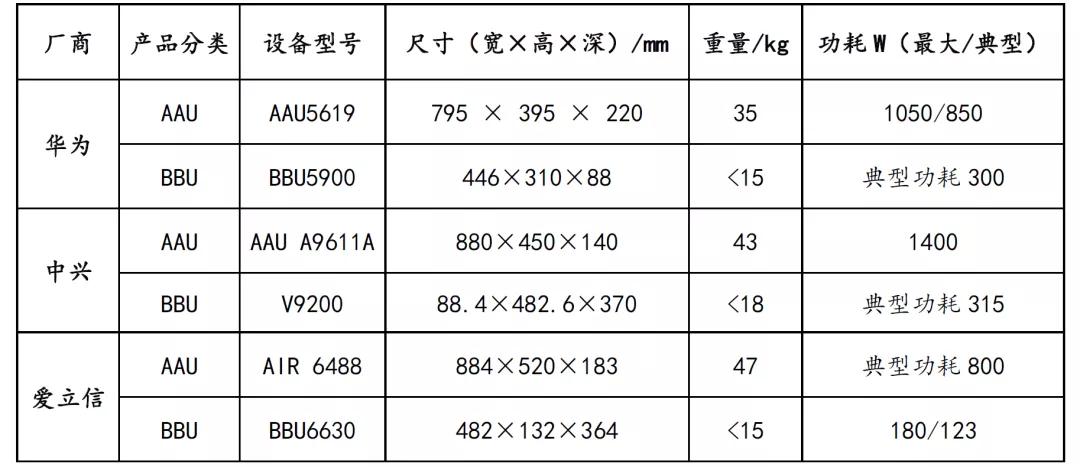
טבלה 3 פרמטרים פיזיים של ציוד 5G gNB מיצרנים עיקריים
צורת המוצר החדשה של AAU והפרמטרים הפיזיים שלה מביאים ארבעה גורמים.
a) The sky space is tight. Under the background of co-construction and sharing, multi-operators and multiple systems are deployed on the same tower, which leads to the shortage of antenna resources and the difficulty of adding 5G AAU equipment.
b) The load-bearing requirements are higher. 5G AAU is usually large in size (more than 35L), heavy (more than 40kg), and has a large windward surface (more than 0.5m2). The process modification requirements for the sky tower mast are significantly higher than those of 4G.
ג) ייפוי הנוף מוגבל. לאנטנה המיופתית הקיימת יש שטח התקנה פנימי מוגבל ואינה יכולה לעמוד בדרישות שטח ההתקנה ופיזור החום של הציוד של אנטנת 5G AAU.
ד) טרנספורמציה של מערכת אספקת חשמל AC/DC. הוספת מערכת 5G תפעיל לחץ גדול יותר על מערכות אספקת החשמל AC ו-DC של תחנות בסיס קיימות. במיוחד בתרחישים בהם אתרים מרובים משותפים, קיבולת חשמל לא מספקת וטרנספורמציה הן גורמים מגבילים מרכזיים לפריסה רחבת היקף של 5G. מערכת אספקת החשמל מוצגת באיור 2.
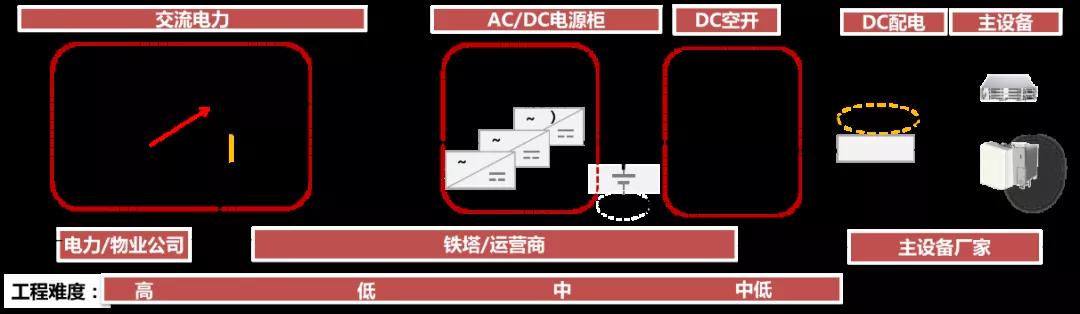
Figure 2 5G base station AC and DC power supply system diagram
2.6 Discussion on 5G indoor distribution construction model
הסביבה הפנימית היא אזור עם שכיחות גבוהה של שירותי נתונים, ותרחישים רבים הם גם אזורים בעלי ערך גבוה עבור שירותי 5G. עם זאת, בניית חלוקת 5G פנימית צריכה להתמודד ולהתחשב בסוגיות הבאות.
a) גיוון
(a) Diversity of existing network indoor coverage construction modes, including DAS, small panels, leaky cables, leather stations, etc.
(b) 5G needs to provide diversified business support capabilities.
(c) Facing the problem of how to construct diverse coverage scene types.
ב) מורכבות.
(א) מערכת DAS מסורתית היא תת-מערכת פסיבית לחדר שלא ניתן לנטר ולנהל. קשה לתקן תקלות ולבנות חיבורים חדשים.
(b) The proportion of digital room distribution deployment is not high and cannot support refined assessment and network resource prediction.
(c) How to transform and maintain requires huge investment in manpower and material resources.
ג) ערך.
(a) Typical indoor business scenarios of 5G include VR/AR, smart manufacturing, smart energy, wireless medical, etc.
(ב) נדרשים פתרונות מותאמים אישית של מערכת כיסוי פנימית עבור תרחישי ערך שונים.
ד) חסכוני.
(א) הביקוש עצום וישנם אתרים רבים, כך שרוב החדרים הקיימים זקוקים לשדרוג.
(b) Operators have introduced digital room distribution solutions on a large scale in the middle and late stages of 4G networks. Facing 5G, the usage of digital room distribution will increase significantly and the cost will be effectively reduced.
(ג) תרחישים שונים דורשים שיטות בנייה כדי להשיג ביצועי עלות אופטימליים.
אמצעי נגד
3.1 רעיונות כלליים לתגובה
a) Begin with the end in mind and bury your capabilities in advance. In-depth exploration of existing site sites, computer rooms, transmission and other resources, with the goal of comprehensive 5G SA network coverage, combined with 5G NR wireless access network network structure adjustment, and in accordance with the C-RAN overall plan, resource planning and capacity reservation are carried out in advance to form complete basic resources (site sites, computer rooms, pipelines, optical cables) for large-scale commercial use.
ב) הציוד נמצא במצב המתנה וציוד תומך זמין תחילה. בהתחשב ביכולות השדרוג והאספקה של הציוד הראשי הראשוני של 5G, אין צורך למהר לפריסה מלאה. בהתבסס על חלק האתר בתוכנית הפריסה המקיפה של 5G, אתרי האתר, אנטנות, מתקני חדרי ציוד ומתקנים אחרים הזקוקים לשיפוץ או להיבנות חדשים ישופצו מראש לפי הצורך כדי לענות על צרכי הפריסה המהירה והרחבת ההיקף של 5G.
c) Set up special projects and make progress together. For the large-scale deployment of 5G networks, a dedicated 5G engineering implementation center and a multi-professional promotion model including wireless, transmission, computer room, and full-service are established to reduce professional communication and coordination losses and improve project construction progress and quality.
d) First-mover advantage and locked-in resources. Leverage China Mobile's 5G first-mover scale deployment advantage and combine site attributes to lock high-quality site, antenna, and computer room resources with tower companies in advance.
3.2 שימוש ב-C-RAN כארכיטקטורה בסיסית ליצירת עתודות יכולת משאבים בסיסיות
Before large-scale deployment of 5G, it is necessary to reserve the capacity of basic resources. From the aspects of reducing investment and operation and maintenance costs and future-oriented technology development and business deployment, C-RAN is used as the infrastructure of the 5G NR wireless access network. C-RAN planning and construction relies on the construction of comprehensive service areas. The overall network planning and corresponding basic resource capacity reserves can be completed in the order of surface (integrated service area) to point (C-RAN convergence room) and then to line (fronthaul/backhaul bearer network). In order to better realize the rapid deployment of 5G wireless networks in the future, it is recommended to comprehensively carry out C-RAN architecture evolution planning for 5G evolution in the existing 4G network planning as soon as possible. The specific suggestions are as follows.
a) Carry out transmission planning based on fronthaul access of remote RRU sites as transmission service access requirements, with an optical cable network as the target guide and comprehensive service area as the scope to carry out C-RAN area subdivision planning. It is recommended that a single C-RAN area include about 8 to 10 macro station physical points, with an area of 0.5 to 5km2, and a single integrated service area is subdivided into 3 to 4 C-RAN areas.
ב) לבצע תכנון גישה לחדר מחשבים המתמקד בצורכי ההתפתחות של ארכיטקטורת C-RAN, ולבחור חדרי מחשבים עם תנאים טובים כנקודות הגדרה מרכזיות של BBU. מומלץ לבחור את מיקום חדר המחשבים סביב נקודת חלוקת הסיבים ברמה הראשונה, דבר המתאים לתלייה כפולה של שני חדרי מחשבים מתכנסים כלפי מעלה ליצירת טבעת. עבור שטח חדר המחשבים, מומלץ להגדיר לפחות 20 מ"ר.
c) Carry out fronthaul access planning for C-RAN evolution: At this stage, colored optical fiber can be considered for fronthaul. A single physical point can be reasonably designed to combine and demultiplex and transmit fiber core configuration based on the number of frequency points currently used and subsequent frequency expansion requirements. In terms of the selection of remote site access points, co-located stations can prioritize the use of existing optical cable routes, such as macro sites using old aggregation access rings, and micro sites using old uplink optical cables. Sites across the comprehensive business area need to adjust their connections. According to the new site plan, it is recommended that new site sites access level 2 and below optical exchanges nearby, and it is not recommended to directly access through level 1 optical exchanges, which will help save backbone fiber core resources.
3.3 Complete the optimization and integration of sky surfaces in advance to ensure the availability of towers and masts at existing sites
In order to solve the problem of tight antenna resources in 5G construction, on the premise of reusing the old site as much as possible, combined with the current situation of antenna resources, high-quality space is prepared for 5G AAU according to the following priorities: reuse old poles - build new poles - replace poles - antenna integration (multi-port antenna).
ניתן לבצע עבודות שילוב אנטנות באמצעות פרויקט יחיד מראש לפני פריסה רחבת היקף של 5G. מומלץ לפעול לפי עקרונות התיקון הבאים.
a) The scope of sky surface integration and transformation is urban areas, counties and hotspot area sites. Rural areas and traffic trunk road sites will not be subject to sky surface integration for the time being.
ב) להשאיר את המספר הכולל של משטחי שמיים קיימים ללא שינוי, ובעיקרון לא להוסיף מערכות שמיים חדשות ולא לצמצם מערכות שמיים (למעט מערכות אתרים עם משטח שמיים יחיד).
ג) ככל האפשר, אנטנות 5G ואנטנות 4G קיימות חולקות מערכת אנטנות.
d) During the antenna reconstruction, network optimization and adjustment need to be carried out simultaneously. For the stability of network coverage, during the antenna reconstruction and integration process, try to keep the main 4G coverage layer as fixed as possible.
3.4 Classification transformation of AC and DC power supply systems
טרנספורמציה של מערכת החשמל AC-DC חייבת לקחת בחשבון את המצב הנוכחי של האתרים הקיימים מצד אחד, ואת ציוד ה-5G וההתפתחות שלו מצד שני. דרישות הציוד הנוכחיות עבור מערכת AC-DC מוצגות בטבלה 4.
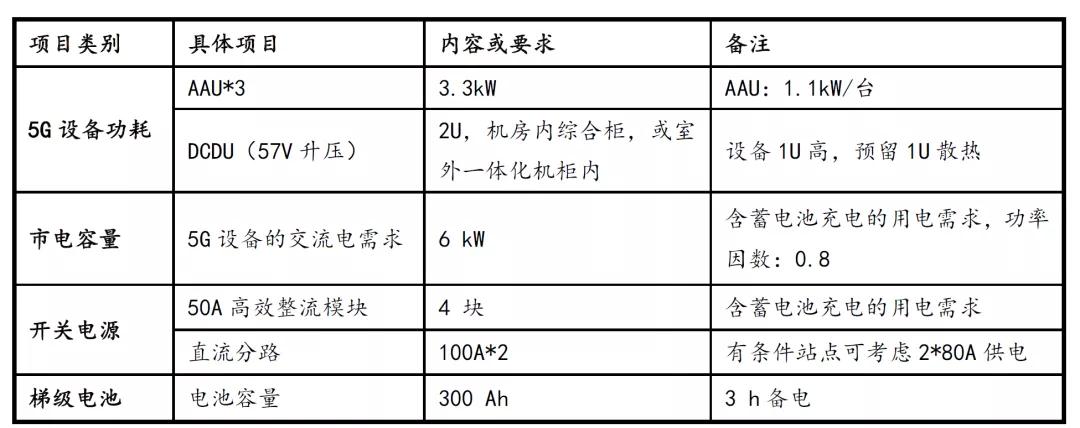
Table 4 5G gNB equipment requirements for AC and DC systems
עקרונות ושלבי טרנספורמציה:
א) התאמת צריכת חשמל: ניתנת עדיפות לשימוש חוזר בחדר המכונות המקורי, החלפת ספק כוח וסוללה, והוספת התאמת ספק כוח בהתאם לתנאי האתר כדי לענות על צרכי בניית ספק הכוח של בניית 5G.
b) External mains power: Priority is given to using the original external power supply. In the case of insufficient external power, 5G external power needs can be solved through battery peak shaving, capacity expansion and other means to minimize construction costs. External mains power transformation is difficult, and the transformation can be completed according to the steps shown in Figure 3.
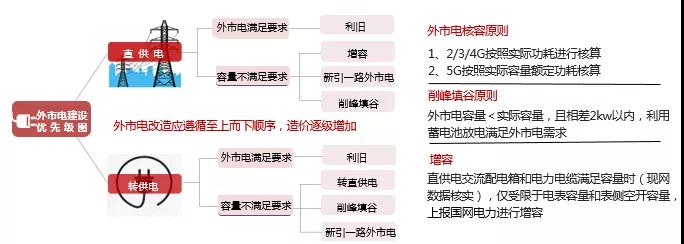
איור 3 תוכנית טרנספורמציה של מערכת מיזוג אוויר
3.5 Build differentiated room distribution systems based on scenarios
ישנם תרחישים רבים של בניית חלוקת מערכות בתוך מבנה. מומלץ לעקוב אחר אסטרטגיות פגישות מובחנות המבוססות על מאפיינים וצרכי העסק של 5G.
א) מומלץ להשתמש בהפרדת חדרים דיגיטלית עבור אזורים בעלי ערך גבוה.
ב) השתמשו בתחנת בסיס פיקו + DAS עבור אזורים בעלי ערך בינוני.
c) Use outdoor covering indoors for low-value areas.
d) Use 5G information sources to feed into existing DAS systems for specific scenarios.
סיכום
להקיםProper use is not the purpose of 5G, but good use is the real purpose of 5G.5G network coverage will be launched first in hotspot areas and areas with high demand, and then continue to develop and advance based on the needs of users and services.המטרה העיקרית של רשת ה-5G היא לממש את החיבור בין הכל וחברה חכמה. לכן, אסטרטגיות ושיטות פריסת הרשת שונות מרשת ה-4G. יש צורך יותר לשקול את כל היבטי המשאבים על מנת לפרוס רשת 5G חזקה, עוצמתית וגמישה.
כתב ויתור: מאמר זה מגיע מהאינטרנטהודפס מחדש מתוך " C114 Communication Network" supports the protection of intellectual property rights. Please indicate the original source and author when reprinting. If there is any infringement, please contact us to delete it.
Related Recommendations
Kinghelm סגן מנהל המכירות פנג הויסנג: האקה בשנג'ן, נשאר נאמן לשאיפתו המקורית באמצעות עבודה קשה
2026-08-03
2313
התשוקה של אוניברסיטת Tsinghua: התגברות על אתגרים במדעי החומר - ראיון עם Cen Jianjun מ-CEN Ningbo Jinshan New Materials Company
2026-07-14
2687