





















خط تلفن خدمات
اخبار

اخبار

[Frontier] تحلیل ادغام سیستمهای ارتباطی سیار 5G و ماهوارهای
2021-12-28
1043
معرفی
With the rapid development of the mobile Internet and the promotion and application of smart terminal devices, people have put forward greater requirements for the speed of mobile communications. The fifth-generation mobile communication system (5G) aims to provide a peak rate of 10Gbps to 20Gbps and a user experience rate of 100Mbps to 1Gbps to meet richer business needs. With its large wireless communication service capacity, multiple services and high speed, 5G can be widely used in densely populated areas. However, it is difficult to take advantage of its advantages in sparsely populated areas or areas where it is difficult to lay terrestrial networks. Compared with terrestrial mobile communication networks, satellite communication systems mainly have incomparable advantages such as wide coverage, large communication capacity, small terrain impact, high flexibility, and adaptability to a variety of services. Therefore, satellites can be used to cover sparsely populated areas or areas where it is difficult to lay down terrestrial networks, forming a good complement to terrestrial networks, thereby achieving true global coverage and providing undifferentiated communication services to global users.
در واقع، کاربرد ارتباطات ماهوارهای توسط مردم، مقدم بر ساخت ارتباطات بیسیم سلولی زمینی است. اولین سیستم ماهوارهای ارتباطی تجاری جهان، Early Bird بود که توسط سازمان بینالمللی ارتباطات ماهوارهای (INTERSAT) در سال ۱۹۶۵ راهاندازی و بهرهبرداری شد.سیستمهای ماهوارهای، در حالی که اولین نسل از سیستمهای ارتباطی بیسیم سلولی در جهان در دهه ۱۹۸۰ شروع به ساخت کردند.در دهههای اخیر، سیستمهای ارتباط ماهوارهای که در سطح بینالمللی به بهرهبرداری رسیدهاند، نه تنها شامل اینمارست، ثریا، ویاست و غیره در مدار زمینثابت میشوند، بلکه ایریدیوم، گلوبال-استار، اوربکام و غیره را در مدار پایین زمین نیز شامل میشوند.Especially since 2015, there has been an international upsurge in the construction of low-orbit Internet communication constellations, such as OneWeb and Starlink, which have attracted much attention in international hotspots.The integration and construction of satellite communication systems and terrestrial wireless communication systems has once again become a development direction that has been in-depth demonstrated internationally.
01Research status of satellite and 5G integration
At the beginning of the 21st century, operators made satellite communications enter the mainstream market by obtaining authorization to form satellite-ground hybrid communications networks. In order to expand satellite communications networks, operators added ground auxiliary components (ATC) or ground supplementary components (CGC). ATC refers to a ground auxiliary base station used for satellite mobile communications. Satellites and a large number of ATC base stations are combined to achieve seamless coverage in large areas, so it can be used to solve satellite problems.مشکل پوشش ضعیف سیگنال در شهرهایی با ساختمانهای بلند و در فضاهای بسته وجود دارد، اما این مشکل شامل برخی موارد نیز میشودمسائل پیچیده، مانند: استفاده مجدد از فرکانس ماهوارهها و ایستگاههای پایه ATC، سوئیچینگ و کنترل هماهنگ سیستمهای فضایی و زمینی.
با بلوغ روزافزون فناوری 5G، ادغام 5G و ماهوارهها توجه گستردهای را در داخل و خارج از کشور به خود جلب کرده است. سازمانهای استانداردسازی مانند اتحادیه بینالمللی مخابرات (ITU) و پروژه مشارکت نسل سوم (3GPP) انرژی زیادی را صرف انجام کارهای نمایشی فنی مربوط به ادغام ماهوارهای سیستمهای 5G کردهاند.
1) The International Telecommunication Union proposed in 2016 that "the next generation mobile communication network should meet the needs of users to access services anytime and anywhere", and carried out ITU-RM in the field of satellite access technology. Research on the [NGAT_SAT] standard proposes four typical application scenarios for satellite-ground integration, including relay broadband transmission services, data backhaul and distribution services, broadband mobile communication services, and hybrid multimedia services, as shown in the figure below, and clarifies the key features to support the above applications. In addition, ITU is also actively promoting work on the frequency use of satellites and 5G, and has carried out a series of spectrum sharing and electromagnetic compatibility analyzes on satellites and 5G.
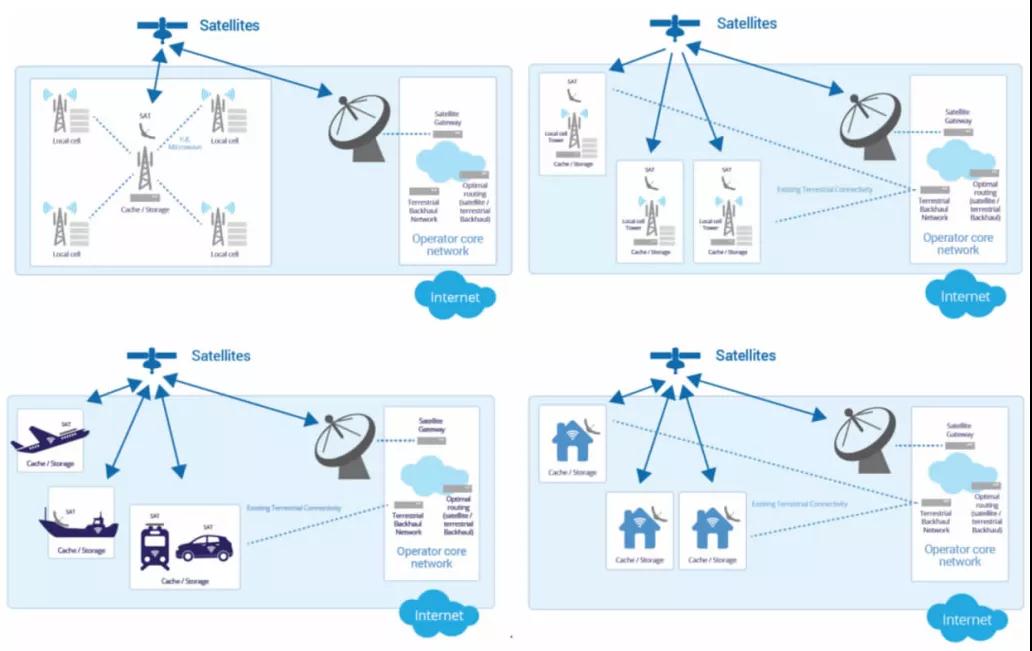
شکل ۱، ۴ سناریوی کاربردی سیستم یکپارچهسازی ماهواره-زمین که توسط ITU ارائه شده است
۲) پروژه مشارکت نسل سوم (3GPP) از زمان انتشار استاندارد ۱۴ در سال ۲۰۱۷، شروع به نشان دادن مزایای ارتباطات ماهوارهای برای سیستمهای ارتباطی سیار زمینی کرده است. در گزارش فنی TR22.822 که در پایان سال ۲۰۱۷ منتشر شد، گروه کاری 3GPP SA1 سه روش اصلی استفاده از دسترسی ماهوارهای در 5G را تعریف کرد: سرویس مداوم، سرویس فراگیر و سرویس گسترده.Use cases and discuss requirements for new and existing services. Currently, 3GPP mainly relies on a research project called "Non-Terrestrial Network (NTN)" to carry out research on deployment scenarios and air interface design of satellite communications in 5G.
3) In June 2017, Europe established the SaT5G (Satellite and Terrestrial Network for 5G) Alliance, whose members include BT, SES, Avanti, University of Surrey and other European companies and research institutions. It aims to provide a cost-effective, plug-and-play satellite solution for 5G and provide continued growth market opportunities for the satellite industry chain. The 2018 European Network and Communications Conference was held in Ljubljana, Slovenia. At the conference, five SaT5G members demonstrated the integration of satellite and 3GPP network architecture, including VT iDi-rect and SES.
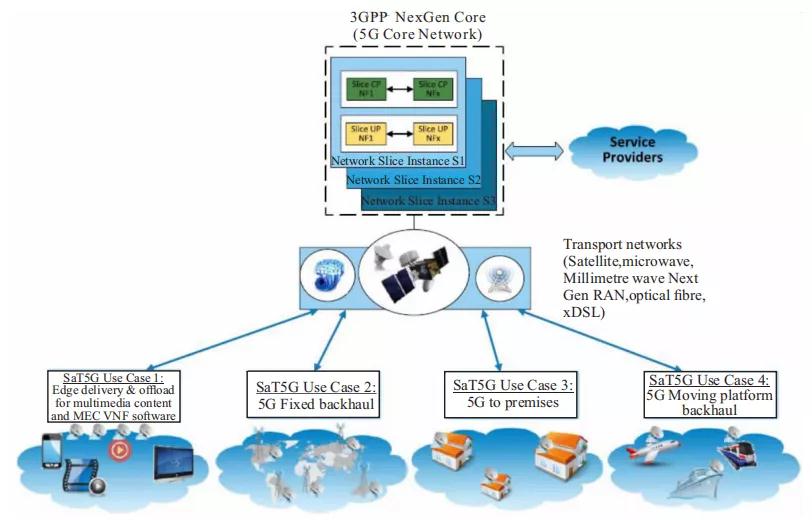
Figure 2 Satellite 5G application scenarios given by Sat5G
4) In order to cope with the 1000x capacity growth target proposed by the 5G system, the SANSA (Shared Access Terrestrial-Satellite Backhaul Network enabled by Smart Antennas) program launched with funding from the European Union H2020 aims to provide a good backhaul link solution for future large-capacity wireless communication systems. The SANSA project proposed low-overhead smart antenna beamforming technology, dynamic intelligent wireless resource management technology for satellite-ground integrated wireless networks, database-assisted dynamic spectrum sharing technology, etc., and carried out in-depth research work.
02 Key technologies for satellite 5G integration
Since there are differences between satellite communications and terrestrial wireless communications in terms of propagation distance, coverage, and power capabilities, the deep integration of the two faces some inevitable challenges. The key technologies for satellite 5G integration are analyzed below from five aspects: system architecture, beam coverage, air interface waveform, spectrum sharing, and network control.
2.1System architecture
در معماری یکپارچهسازی ماهوارهای 5G، یک مجموعه ماهوارهای ترکیبی از مدارهای بالا و پایین در نظر گرفته شده است. در عین حال، طراحی باندهای فرکانس ارتباطی شامل باندهای فرکانس پایین (مانند باندهای L و S) و باندهای فرکانس بالا (مانند باندهای Ku و Ka) نیز میشود و الزامات سرویس انتقال با سرعت متوسط-پایین و پهنای باند را در نظر میگیرد. با حرکت نقطه زیرماهواره، منطقه پوشش ماهواره نیز تغییر میکند و کاربر نهایی بین سلولهای مختلف جابجا میشود.
پیوندهای بین ماهوارهای در منظومههای ماهوارهای مدار پایین از پیوندهای لیزری یا مایکروویو تشکیل شدهاند و چندین ماهواره به هم متصل شدهاند تا یک شبکه ارتباطی فضایی با ماهوارهها به عنوان گرههای سوئیچینگ تشکیل دهند. منظومهها معمولاً با استفاده از منظومههای مدار قطبی طراحی میشوند. این به این دلیل است که ماهوارهها در صفحات مداری مجاور، رابطه موقعیت نسبی نسبتاً پایداری دارند (به جز مناطق قطبی یا درزهای معکوس)، که برای حفظ پیوندهای بین ماهوارهای و دستیابی به پوشش منطقهای با عرض جغرافیایی بالا مفید است. علاوه بر این، کسب و کار پیوند تغذیهکننده ماهواره در ایستگاه دروازه اجرا میشود که اتصال و قابلیت همکاری بین شبکه ماهوارهای و PSTN زمینی، PLMN و اینترنت را محقق میکند. این عملیات همگی در باندهای فرکانسی Ka یا Q/V اجرا میشوند.
Currently, there are three main architectures for satellite-ground integration networks. The first is the satellite-ground complementary network. Under this architecture, 5G systems and satellite systems share a network management center, but their respective access networks and core networks remain independent. Access network and some core network functions are provided by satellite gateway stations, and either or both cellular and satellite access modes are supported by terminals. The second type is a satellite-ground hybrid network. Under this architecture, the ground system and the satellite system share the network management center, and the air interface parts are also unified as much as possible to maintain the independence of their respective core networks and frequency bands. The terminal can support both terrestrial and satellite access modes. The third type is the satellite-ground integrated network. Its main features are: the access point (AP), frequency, access network, and core network of the entire system are fully unified planned and designed. It should be pointed out that the satellite-ground integrated network is the highest stage of the satellite-ground integrated communication system and faces huge technical challenges.
2.2 Beam coverage
In the satellite-ground integrated mobile communication system, by adjusting its spot beams and wireless resources, it can provide voice and data services exceeding the predetermined capacity for hotspot areas. This flexible function is achieved through digital beamforming (DBF) technology. At present, digital beamforming technology for satellite communications mainly includes three forms: ground DBF, spaceborne DBF and hybrid DBF. Among them, hybrid digital beamforming has a good compromise between performance and complexity and has been extensively studied. When hybrid DBF is used, the ground network control center calculates the optimized beamforming matrix based on the beam adjustment requirements and corresponding strategies, and then sends the parameters of the beamforming matrix to the satellite through the feed link, and dynamically adjusts the beam coverage to the ground by reconstructing the multi-beam antenna on the satellite.
دو نوع اصلی از انتقال سیگنال ناشی از حرکت ماهواره یا ترمینال وجود دارد: یکی انتقال سیگنال در داخل سیستم ماهوارهای. برای ماهوارههای مدار پایین، موقعیت آنها نسبت به زمین به سرعت تغییر میکند، به طوری که ترمینال به طور مداوم فقط به مدت ده دقیقه توسط یک ماهواره پوشش داده میشود. بنابراین، برای جلوگیری از از دست رفتن دادهها در طول فرآیند انتقال سیگنال، انتقال سیگنال بین ماهوارهای یا بین پرتویی باید از قبل آماده شده و به سرعت اجرا شود. مورد دیگر، تعویض ترمینال بین شبکه 5G زمینی و شبکه ماهوارهای است. این تعویض باید عواملی مانند پشتیبانی از پردازش داخلی و معماری انتقال شفاف bend-pipe، همگامسازی زمانی، اندازهگیری و هماهنگی اطلاعات را در نظر بگیرد. هنگامی که سیگنال شبکه تلفن همراه بسیار ضعیف است، ترمینال از شبکه تلفن همراه به شبکه ماهوارهای تغییر میکند، در غیر این صورت دسترسی به شبکه زمینی را حفظ خواهد کرد.
2.3 Air interface waveform
مالتیپلکسینگ تقسیم فرکانس متعامد (OFDM) هنوز سیستم انتقال پایه سیستم 5G است، اما تداخل بین حاملها (ICI) باعث کاهش جدی عملکرد سیستم خواهد شد. دلیل این امر این است که خود فناوری OFDM به انحراف فرکانس بسیار حساس است و تداخل بین زیرحاملها ناشی از انحراف فرکانس، عملکرد ارتباطی را کاهش میدهد. به منظور مقاومت مؤثر در برابر تأثیر انحراف فرکانس باقیمانده بر عملکرد سیستم، میتوان از یک طرح طراحی با پهنای باند زیرحامل متغیر استفاده کرد. برای باند L با باند فرکانسی باریک، از آنجایی که نرخ کد سرویس صوتی پشتیبانی شده توسط آن به کمی 2.4 کیلوبیت بر ثانیه است، باید از طراحی زیرحامل 15 کیلوهرتز یا باریکتر استفاده شود. در باند فرکانسی Ka، عرض زیرحاملی که میتوان استفاده کرد بزرگتر است. دلیل این امر این است که کاربران اغلب از طریق پهنای باند به اینترنت دسترسی پیدا میکنند و حداقل زاویه ارتفاع زیاد است که میتواند به طور مؤثر تأثیر اثر داپلر را کاهش دهد.
In addition, the non-orthogonal multiple access (NOMA) supported by 5G does not require each user to occupy exclusive resources. Users can send and receive information simultaneously on non-orthogonal resources. Based on multi-user joint detection, mutual interference between users can be avoided through signal processing. Compared with traditional orthogonal access methods, the application of NOMA technology can increase spectrum efficiency by more than three times. At present, NOMA chips for terrestrial 5G systems have been developed and promoted and applied. NOMA technology uses complexity in exchange for spectrum efficiency, which also means that it will be difficult to apply to long-latency geostationary orbit (GEO) satellite communication scenarios because a large amount of signaling interactions are used to dynamically control user access parameters. Subsequent technical research work should be carried out on NOMA technology in satellite communications.
2.4 Spectrum sharing
Whether for satellite communications or terrestrial mobile communication systems, the lack of available spectrum has become an urgent problem to be solved. In particular, satellite communications and terrestrial communications have formed a fierce competition in spectrum resources. For example, the C-band and Ka-band, which have been used by satellite communications systems for many years, have been authorized by the ITU for terrestrial 5G systems. The spectrum competition situation between the two specifically includes:
1) Ka-band: In order to meet the rapid growth of user speed and system capacity, both 5G and satellite communications hope to use Ka-band or even millimeter-wave frequency bands. For example: The 2019 World Radiocommunication Conference (WRC-19) used 24.25 GHz-27.5 GHz, 37 GHz-43.5 GHz, 66 GHz-71 GHz, a total of 14.75 GHz bandwidth spectrum identification for 5G and future international mobile communications systems globally; the US FCC has designated 27.5 GHz-28.35 GHz, 37 GHz-38.6 The GHz frequency bands are licensed for use by terrestrial 5G, and these frequency bands overlap to a certain extent with the frequency bands used by satellite communication systems.
2) 3GHz-6GHz C-band: Many countries have proposed using the C-band as a candidate frequency band for 5G systems, including China, the European Union, Japan, and South Korea. However, in Asia, countries such as China, Vietnam, and Malaysia have built a large number of satellite communication systems in this frequency band. It is difficult to coordinate the use of C-band for terrestrial 5G systems.
بهینهسازی پیکربندی از طریق برنامهریزی مشارکتی ماهواره-زمین میتواند استفاده کارآمد از منابع فرکانس را بهبود بخشد. با ساخت یک سیستم مشترک سنجش طیف ماهواره-زمین، میتوان به اشتراکگذاری طیف بین سیستمهای ارتباطی ماهواره-زمین دست یافت و راندمان استفاده از طیف را بهبود بخشید. در مقایسه با شبکههای ارتباطی بیسیم زمینی، تشخیص همه طیفها در محیط شبکه برای کاربران شناختی بسیار دشوارتر است. این امر به دلیل پوشش وسیع ارتباطات ماهوارهای است. بهروزرسانی سریع پایگاه داده طیف، تشکیل پرتو، دقت سنجش طیف و توصیف ناحیه شناختی، همگی از محورهای تحقیقاتی این فناوری هستند. علاوه بر این، از منظر ادغام منابع، برنامهریزی و طراحی یکپارچه ارتباطات سلولی و ارتباطات ماهوارهای برای حل تداخل به شکل "اشتراکگذاری طیف" و در نتیجه ترویج استفاده مشترک از منابع فرکانس، میتواند مبنایی سازگار برای ادغام عمیق سیستمهای ارتباطی ماهوارهای و سیستمهای 5G فراهم کند.
2.5 Network control
End-to-end network slicing realized through SDN and NFV technology is the biggest feature of the network control cloud in the 5G system. SDN and NFV technologies respectively realize the separation of network bearer and control and the softwareization of core network elements. They provide a solid foundation for realizing network slicing.پایه محکم
When the satellite communication system is deeply integrated with terrestrial 5G, the control function and forwarding function of the satellite core network can be separated, further simplifying the forwarding function. In order to support high-traffic transmission requirements and flexible and balanced traffic load scheduling, business storage and computing capabilities can be moved from the network center to the network edge.
برای پشتیبانی از ادغام با زمین، علاوه بر نه عملکرد شبکهای که 3GPP عملکردهای سرویس پایه را ارائه میدهد، لازم است عملکردهای اتصال غیر 3GPP و عملکردهای صفحه کاربر به صفحه کاربر شبکه اصلی ماهواره 5G اضافه شود.
03 Challenges and research directions faced by satellite 5G integration
Although a lot of progress has been made in satellite 5G integration work, there will still be many technical challenges to truly realize the beautiful vision of satellite and 5G integration. There are many common challenges in the satellite and terrestrial domains. Below we list the main technical challenges and future research directions.
1) Challenges in the transmission system: In satellite-ground integrated network transmission, Doppler frequency shift, frequency management and interference, power limitation and timing advance are issues that need to be solved urgently. In response to Doppler frequency shift, 5G uses multi-carrier OFDM in the transmission system. Its sub-carrier spacing design does not consider the impact of Doppler frequency shift, which will cause interference between sub-carriers. In terms of power limitation, it ensures high frequency band utilization while reducing the signal peak-to-average ratio. Finally, regarding timing advance, rapid changes in wireless link transmission delays may result in the need to dynamically update the terminal's individual timing advances to ensure that all uplink transmissions are synchronized.
۲) چالشهای مدیریت دسترسی و منابع: با توجه به اینکه تأخیر طولانی شبکه یکپارچه ماهواره-زمین، چالشهایی را برای کنترل دسترسی، HARQ، ARQ و سایر فرآیندهای لایه MAC و لایه RLC ایجاد کرده است. از نظر کنترل دسترسی، برای پشتیبانی از ادغام مؤثر 5G و ماهوارهها، طراحی مکانیسمهای دسترسی معقول مانند پیشمجوز، زمانبندی نیمهپایدار و بدون مجوز ضروری است. برای HARQ، زمان رفت و برگشت معمولاً از حداکثر طول تایمر HARQ بیشتر است و فرآیند HARQ الزامات زمانی دقیقی دارد. در طول فرآیند زمانبندی لایه MAC و لایه RLC، تأخیر طولانی سیستم ماهوارهای نیز بر بهموقع بودن زمانبندی تأثیر میگذارد و پارامترهای تأخیر زمانبندی باید تنظیم شوند.
3) Mobility management challenges: In a satellite-ground integrated network, mobility management challenges are even more severe. According to the communication level, it can be divided into network-level switching and link-level switching. According to application scenarios, it is divided into handovers between ground cells, handovers between satellites and ground cells, handovers between satellite cells, and inter-satellite handovers. This issue has been explored but requires further research.
04 نتیجه
Satellite communications and terrestrial cellular communications systems have experienced nearly thirty years of development and have achieved brilliant results. However, due to their inherent limitations, it is difficult to meet people's growing needs for mobile communications and massive data interconnection. In recent years, with the rapid development of Internet of Things technology, future wireless communication systems will be oriented towards the transformation from "people and people" to "people and things" and "things and things", realizing ubiquitous communication and the Internet of Everything. Through the integrated development of satellite communications and terrestrial cellular communications, complementary advantages will be achieved, and new development opportunities will be ushered in. This article introduces and discusses the development status, key technologies, and challenges faced by the integration of satellite communications and 5G, hoping to provide reference and guidance for the development of this technology.
This article is reproduced from "Satellite and Network«برای حمایت از حقوق مالکیت معنوی، لطفاً هنگام چاپ مجدد، منبع اصلی و نویسنده را ذکر کنید. در صورت وجود هرگونه نقض، لطفاً برای حذف آن با ما تماس بگیرید.»
توصیههای مرتبط
Kinghelm پنگ هوییشنگ، معاون مدیر فروش: یک هاکا در شنژن، که با سختکوشی به آرمان اولیهاش وفادار مانده است
2026-08-03
2352
اشتیاق دانشگاه Tsinghua: غلبه بر چالش ها در علم مواد - مصاحبه با Cen Jianjun از CEN Ningbo Jinshan New Materials Company
2026-07-14
2728