






















Service Hotline
News

News

Beidou Shines Globally | Beidou-3 Global System Core Constellation Deployment Completed
2021-12-29
1001
On December 16, the 52nd and 53rd Beidou navigation satellites went to Tianjiang hand in hand and landed in the medium earth orbit of Beidou's "big chessboard". At this point, all 24 satellites planned for Beidou-3 in this orbit have been put in place, marking the completion of the deployment of the core constellation of the global system.
Up to now, the Fifth Academy of Aerospace Science and Technology Group has developed launch288 piecesspacecraft.
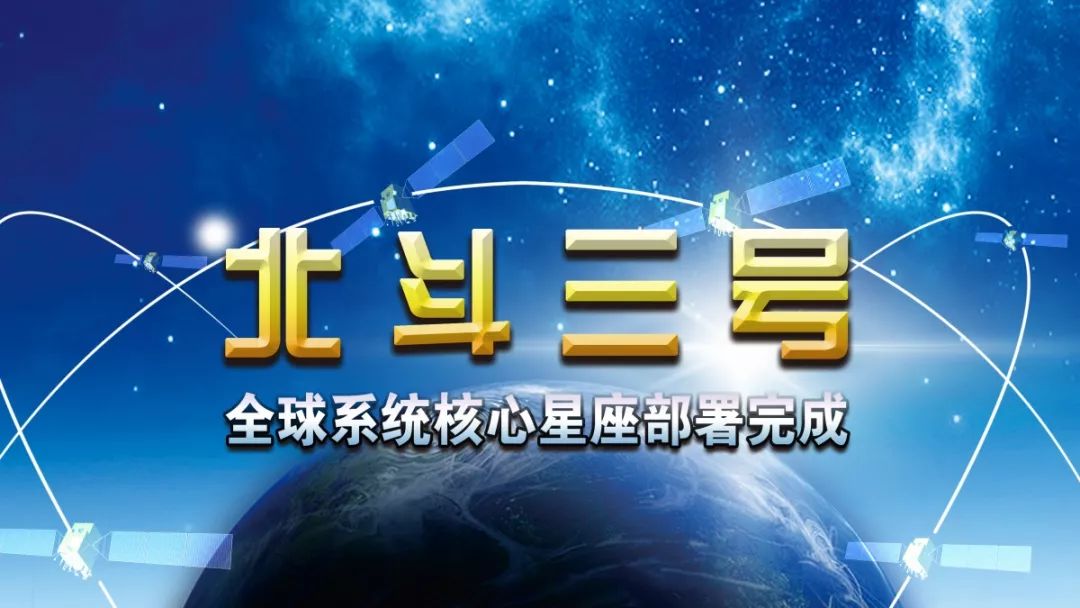
What is a core constellation? Why does Beidou-3 consist of three types of orbiting satellites? How far are we from global system networking? The reporter walked into the Fifth Academy of the Aerospace Science and Technology Corporation (hereinafter referred to as the "Fifth Academy"), the main unit responsible for the development of the Beidou-3 satellite, to find out.
Core constellation, wider coverage
In the "Heaven Team" of the Beidou-3 satellite, there are three types of team members who stick to their posts in different orbits. The twin satellites launched this time, namely medium-circle orbit satellites (MEO satellites, called "cute stars" by Beidou people in the Fifth Academy), are the main force in global networking. They work tirelessly to fly around the earth, letting their focus draw wavy lines on the ground in order to cover a wider area of the world.
According to Wang Ping, chief designer of the Beidou-3 satellite, the orbital altitude of the MEO satellite is about 20,000 kilometers, and the orbital period is about 12 hours. "From the ground point of view, it continuously moves from west to east covering the world, so to provide global navigation services, we mainly rely on MEO satellites. This is why 24 MEO satellites are used as the core constellation of Beidou global network," Wang Ping said.
When the cute star is charging for the global network, his teammates are very awesome. Among them, the affectionate "Jixing" (GEO satellite) is a geostationary orbit satellite that always rotates with the rotation of the earth so that it can always focus on the motherland; the "Love Star" (IGSO satellite) is an inclined geosynchronous orbit satellite that, like a hard-working bee, allows its subsatellite trajectory to wrap around the Asia-Pacific region and protect China's surroundings.
Unique constellation, the first of its kind in China
In the context of navigation systems such as the American GPS, Russian GLONASS, and European Galileo deploying constellations with single-orbit satellites, China's Beidou is unique in using three orbital satellites to form a hybrid navigation constellation.
Why is it laid out like this? This stems from Beidou’s three-step development strategy. In the first two steps, Beidou will provide services to China and the Asia-Pacific region respectively. Jixing and Aixing obviously have more advantages, while Mengxing is more suitable to play a role in the battlefield of global navigation services. Moreover, at that time, Mengxing still had many key technologies that had not yet been broken through and needed to be verified in actual combat.
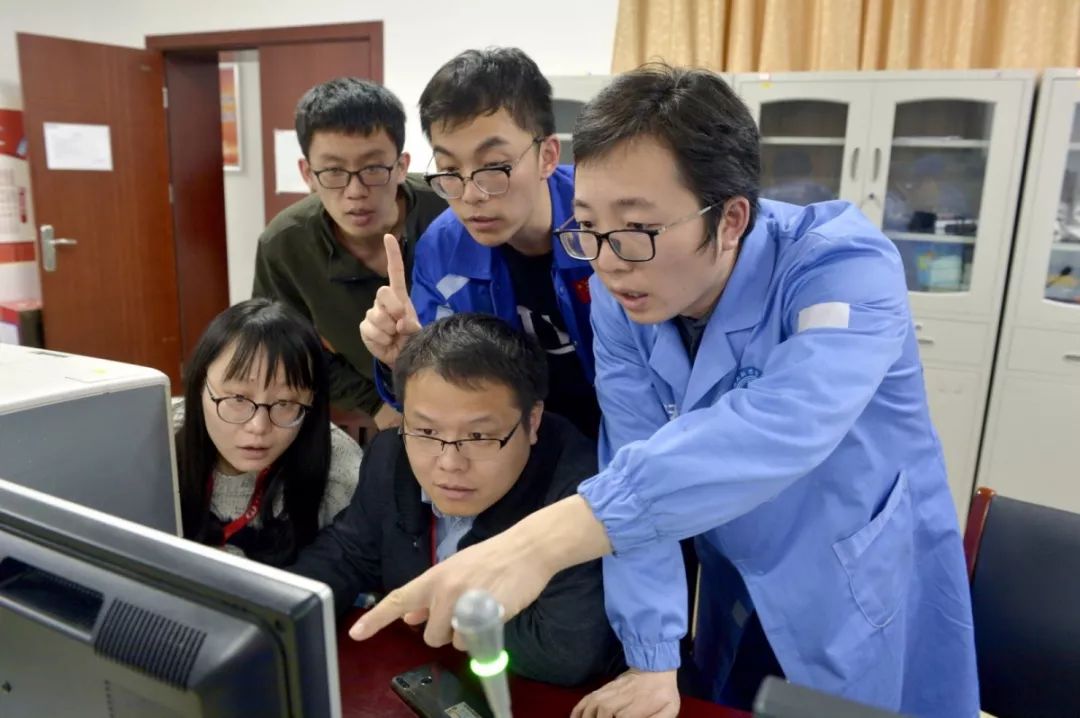
▲ Integrated work
Beidou researchers from the Fifth Academy built the GEO/IGSO/MEO hybrid constellation for the first time, and built the Beidou-2 regional satellite navigation system with the minimum number of satellites that integrates basic navigation, position reporting and other services, becoming a model for the construction of regional satellite navigation systems in the world.
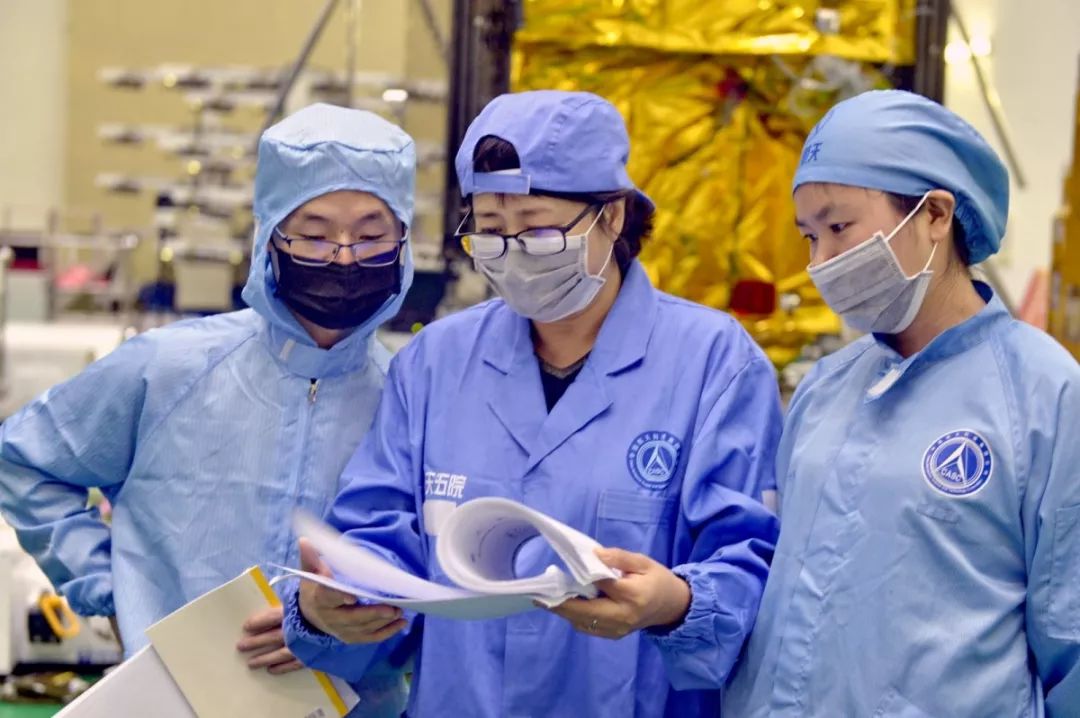
▲ Carefully tested
This technical system can efficiently build regional systems and take into account the expansion of global systems. In the construction of the Beidou-2 system, four cute stars were deployed, giving them sufficient time and an excellent platform to gradually overcome a series of bottlenecks that hinder the stable operation of the global network. Therefore, when Beidou started its global networking journey, the cute stars who became the main players were able to show off their power.
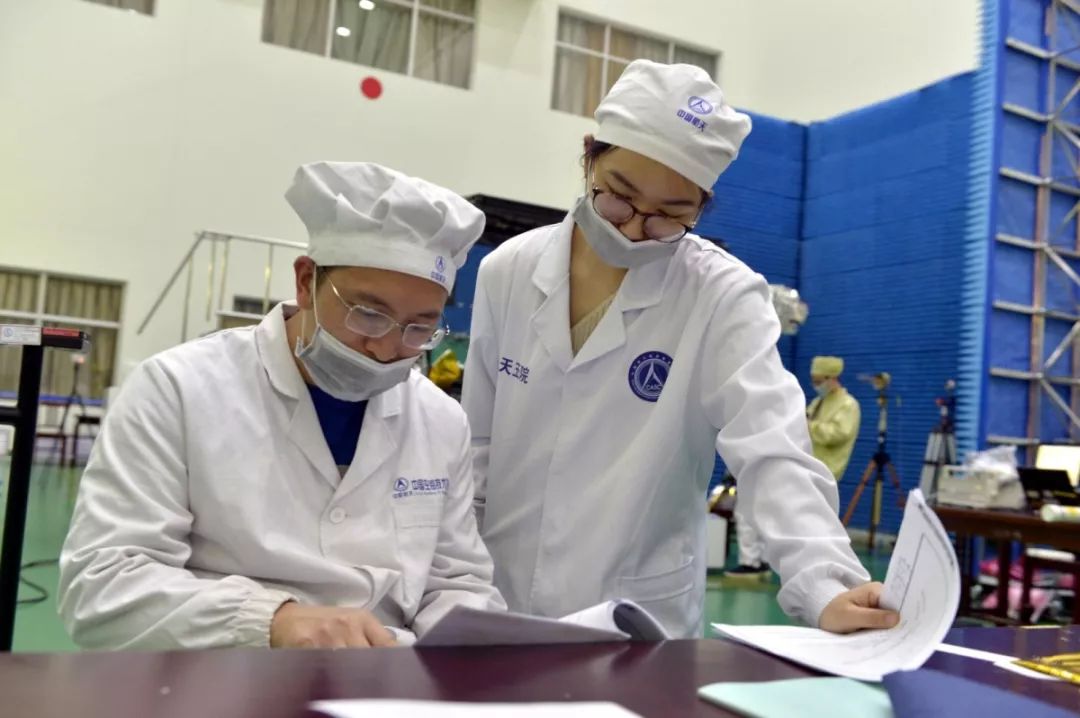
▲ Read carefully
At this time, Jixing and Aixing have become the best teammates. Beidou people have carefully designed a small number of but critical positions for them. They not only shoulder the "assist" responsibility of cooperating with the cute stars and significantly enhancing the overall technical indicators of Beidou-3, but also carry many "artifacts" to open up territory for the future widespread operation and application of Beidou.
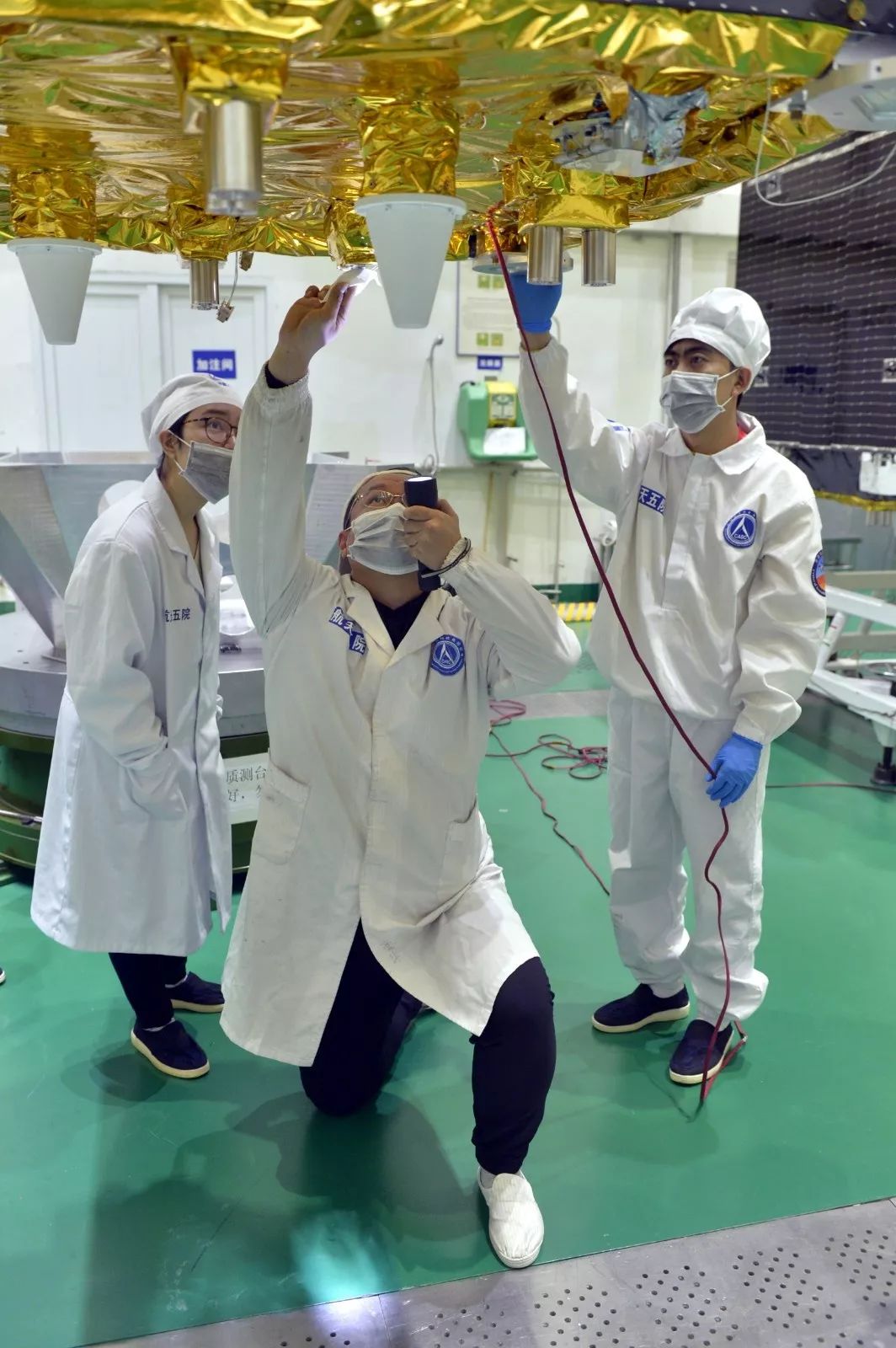
▲ Operate carefully
Not impatient, not blind, and cleverly designed based on national conditions. This Beidou route and constellation design is full of practical wisdom and pragmatism of the Chinese nation, and has contributed Chinese wisdom and Chinese solutions to the international satellite navigation technology system.
Global networking, victory is in sight
Following the three-step path, Beidou people adhered to strategic determination and completed the deployment of the core constellation of the Beidou-3 global system in a steady and steady manner.
At present, the Beidou-3 global system network has entered the sprint stage of a decisive battle. According to the plan, all networked satellite launches will be completed in the first half of next year ahead of schedule, and a world-class global satellite navigation system will be independently built. When my country achieves its first centenary goal and builds a moderately prosperous society in an all-round way, Beidou's "global dream" will be realized.
Not only that, in order to build and improve a comprehensive space-time system that is more ubiquitous, more integrated, and more intelligent, the Fifth Academy aims at future advanced technologies, systematically plans a next-generation navigation satellite technology system with advanced performance, comprehensive functions, safety and reliability, and proposes a technology development strategy for the national comprehensive positioning, navigation and timing system based on Beidou satellites.
The realization of the “global dream” may become their new starting point. We look forward to the Beidou Light shining wider and warmer around the world.
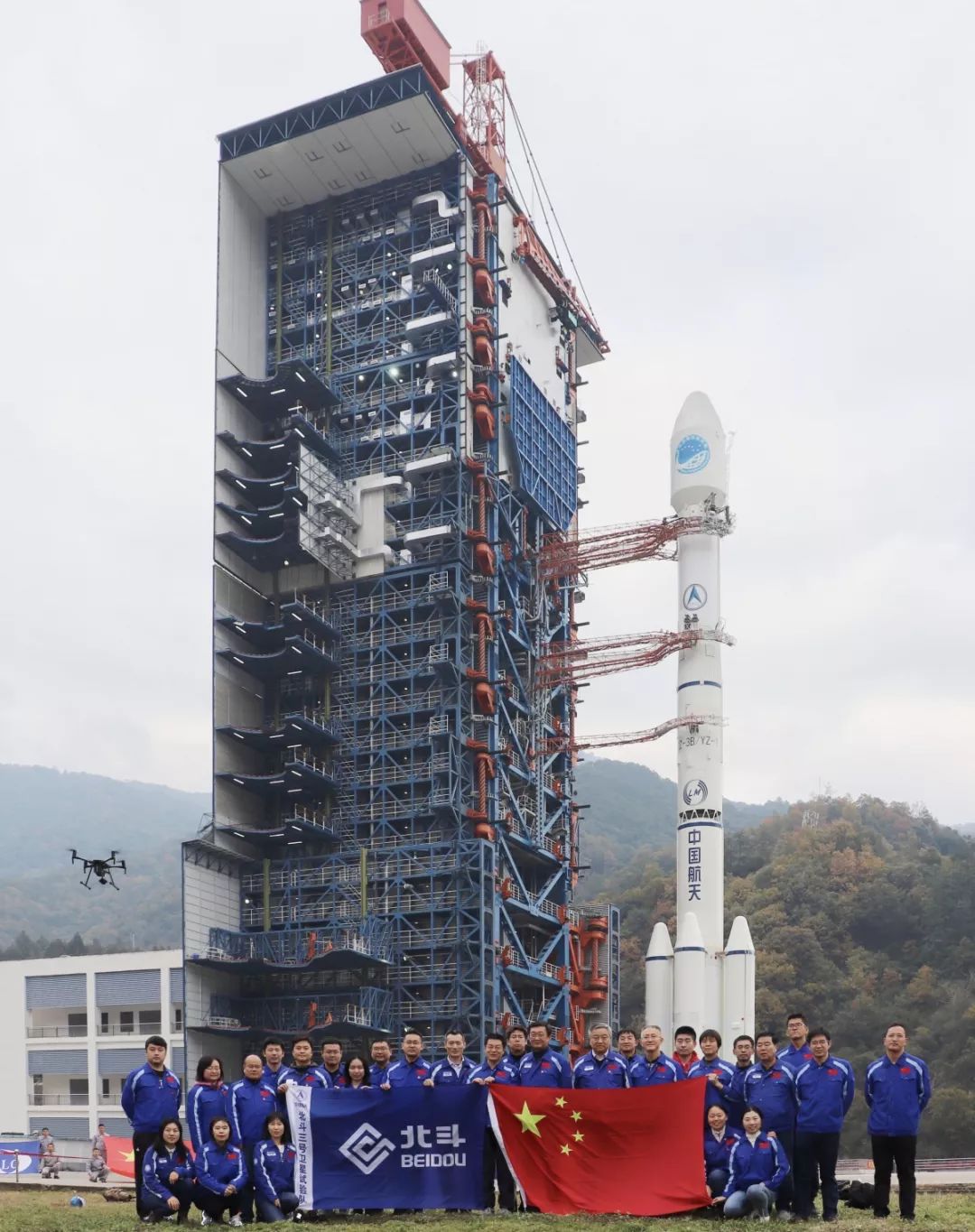
This article is reproduced from " "China Academy of Space Technology" supports the protection of intellectual property rights. Please indicate the original source and author when reprinting. If there is any infringement, please contact us to delete it.
Related Recommendations