






















Service Hotline
News

News

Outlook|The launch was successful, and the "Star" shines brightly! What changes will it bring after the Beidou global network deployment is completed?
2021-12-29
1067
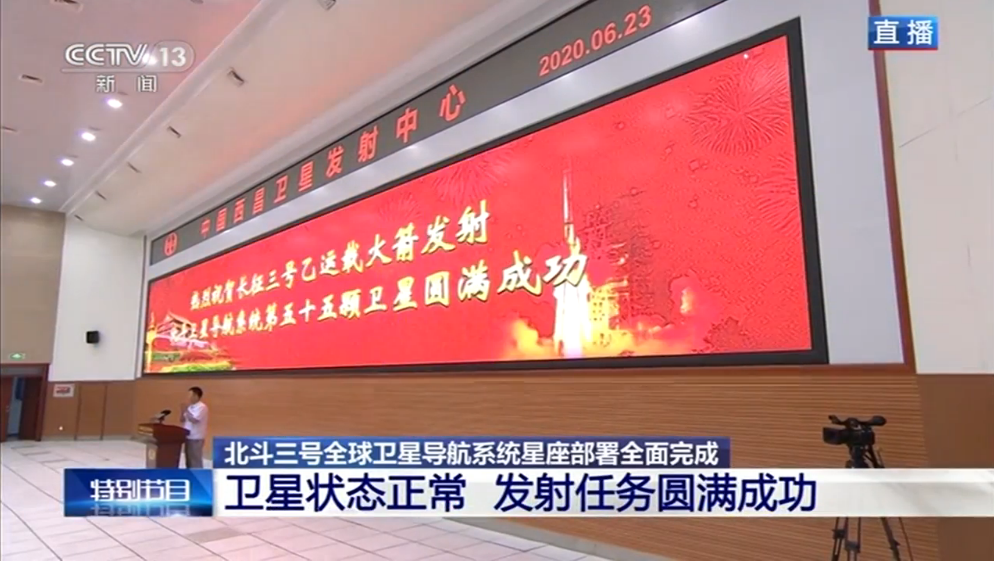
At 9:43 today (June 23), the last Beidou-3 global networking satellite was ignited and lifted off at the Xichang Satellite Launch Center. The satellite was in normal condition and the launch mission was a complete success.The Beidou-3 global satellite navigation system constellation deployment is fully completed!
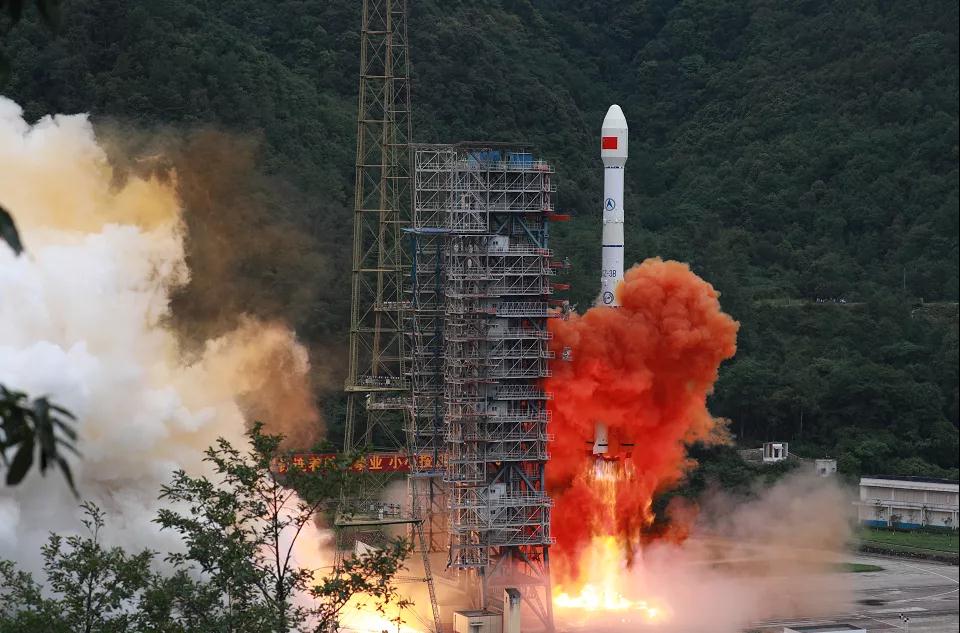
▲ 9:43!ignition!photography:Hu Xujie (picture source:china news network)
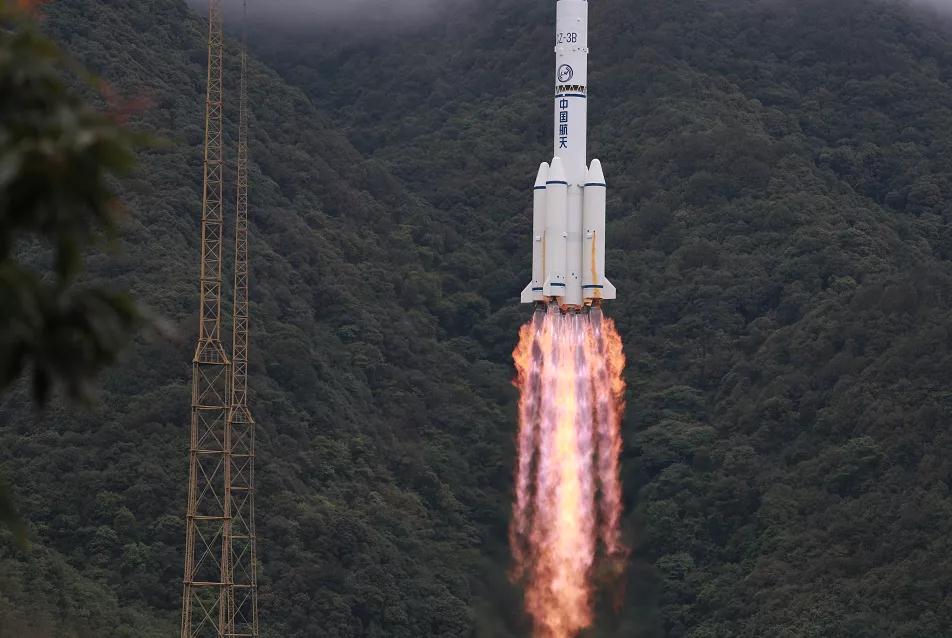
▲ Photography: Hu Xujie (Photo source: China News Network)
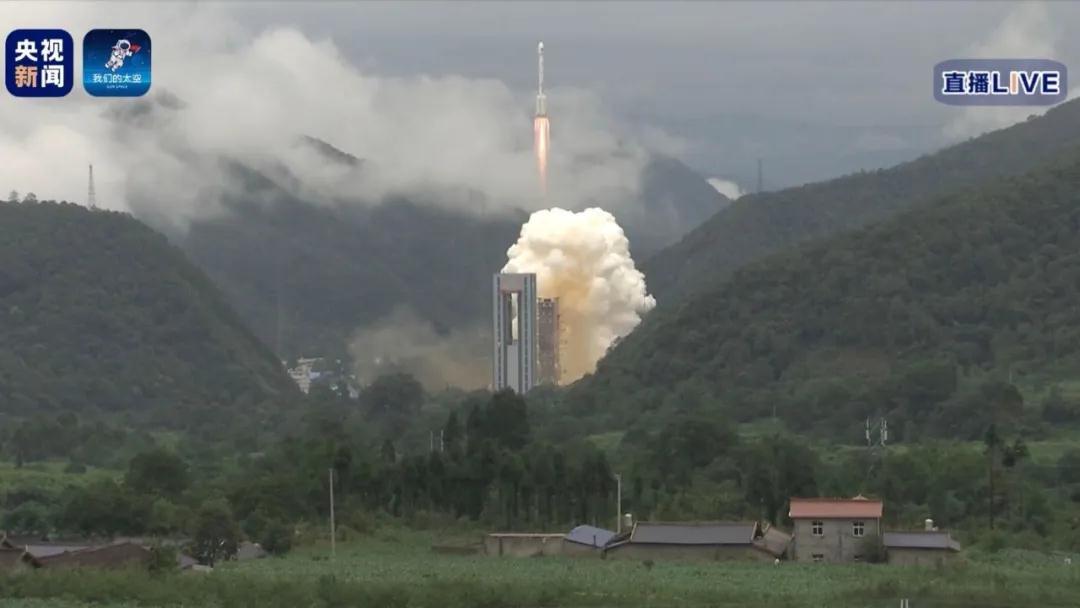
▲The "Final Star" begins to take off!(picture:CCTV news client live broadcast)
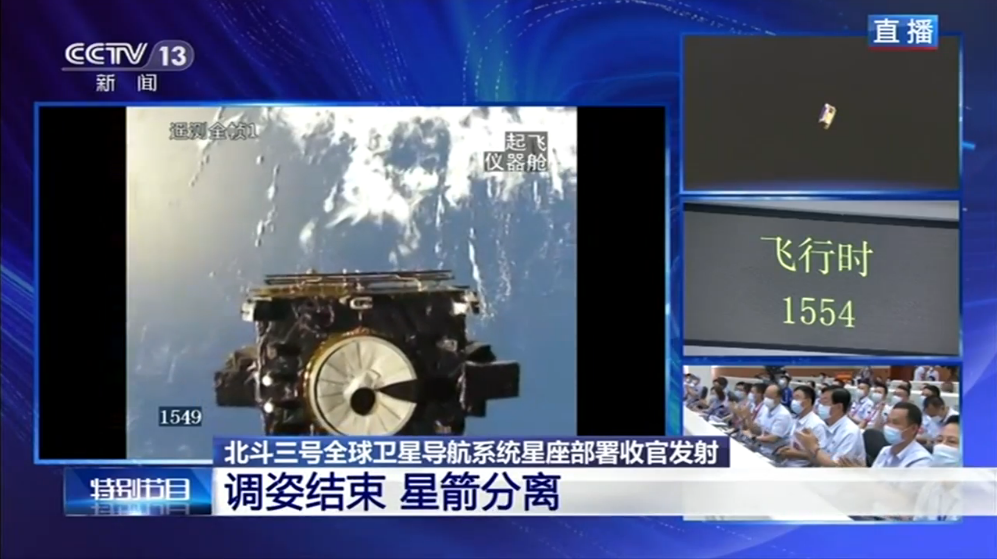
▲Separation of successful stars and arrows
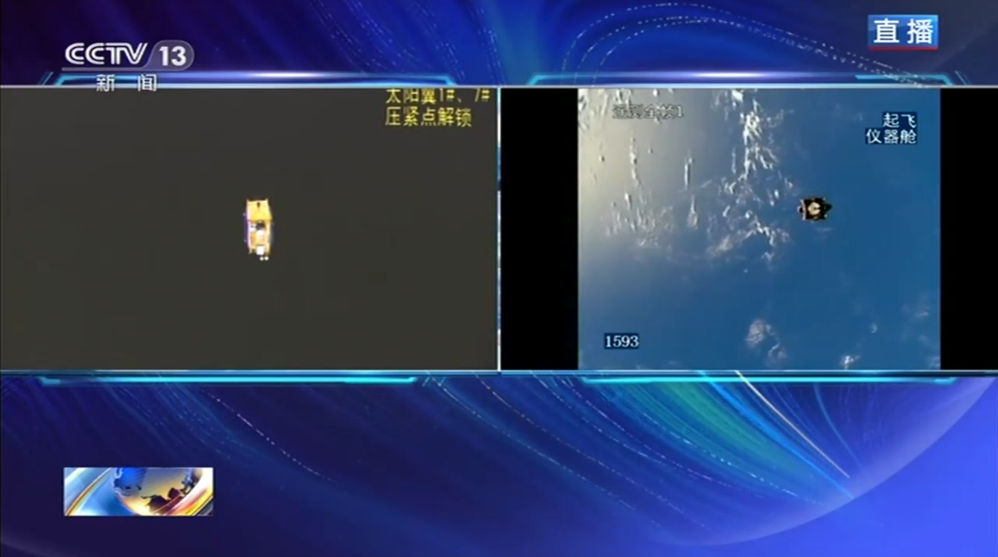
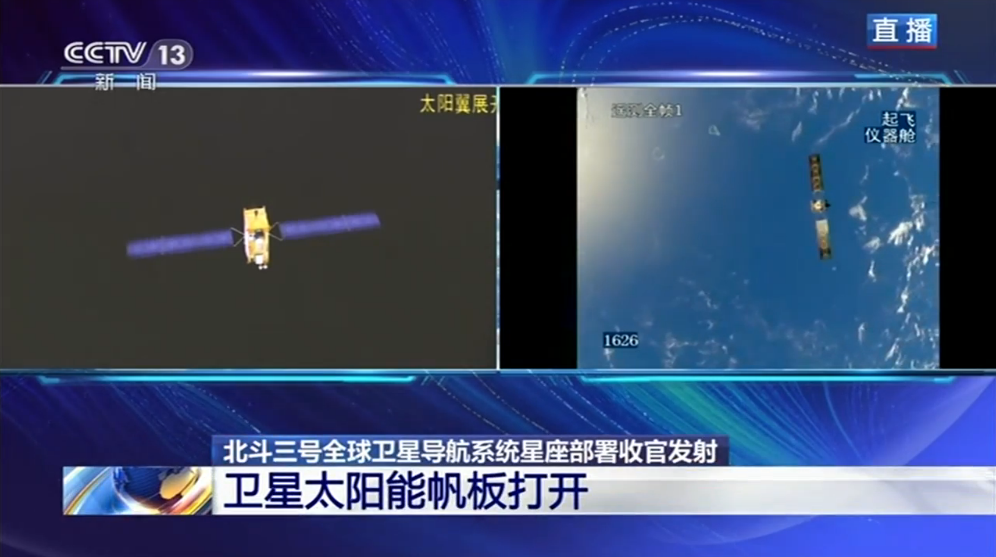
▲The solar wings unfold
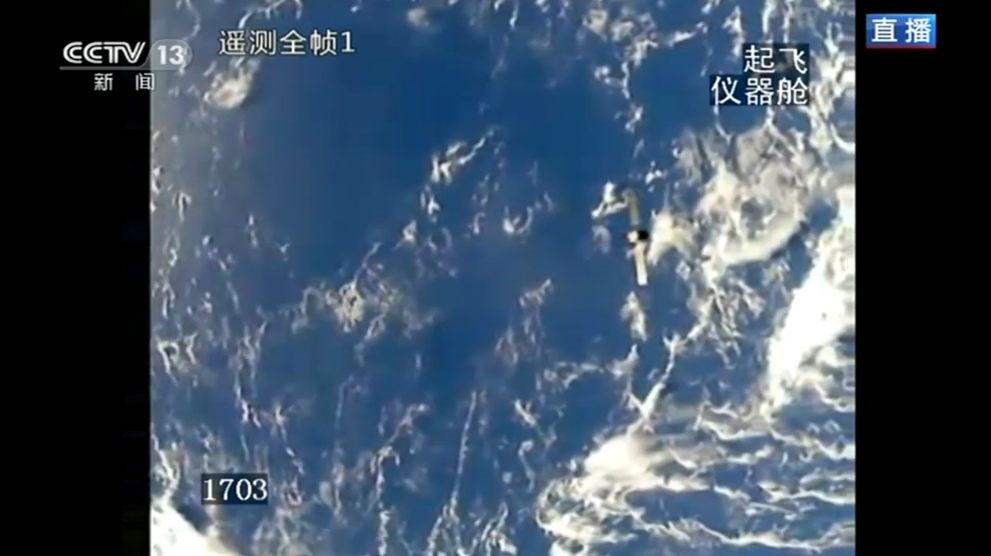
▲ Shots from the three-stage engine: with the earth as the background, sending satellites on a long journey
China Beidou, proud of you!
What is the strength of the Beidou-3 system?
Beidou-3’s service area will expand to the world, with independent intellectual property rights and core technologies, Beidou navigation satellite stand-alone and key componentsThe localization rate reaches 100%
The short message communication capabilities of Beidou-3 have been significantly improved.The message sending capacity has been increased from 120 Chinese characters at a time to 1,200 Chinese characters at a time., there is no need to consider words and sentences in an emergency, it is enough to explain the plot clearly at once, and pictures and other information can also be sent, making the application scenarios more abundant.
Among them GEO"Lucky Star" Family(Geostationary satellite)It has six major capabilities: radio navigation, radio determination, satellite-based enhancement, precision single-point positioning, power enhancement, inter-station time synchronization and positioning. It can provide users in my country and surrounding areas with diversified services such as positioning, navigation and timing, short message communication, satellite-based enhancement, inter-satellite communication and measurement, inter-station synchronization, and precise single-point positioning.
After decades of cultivating space and animal husbandry, what level has China's Beidou reached? What are the key technologies? What functions can be achieved? Come and see
On June 23, the 55th Beidou navigation satellite developed by the Fifth Research Institute of China Aerospace Science and Technology Corporation (hereinafter referred to as the "Fifth Research Institute") was successfully launched.The Beidou-3 global satellite navigation system constellation deployment has been fully completed.
"'Hey(pronounced "zhe")”zhé)The successful launch of Star’ marked the perfect conclusion of the Beidou satellite global navigation system constellation deployment. " said Chen Zhonggui, chief designer of the Beidou-3 satellite of the Fifth Academy.
"Xingxing" is the nickname of the Fifth Academy of Sciences for the 30th Beidou-3 satellite.It is the 55th satellite of the Beidou satellite navigation system and the third geosynchronous orbit satellite (GEO satellite) in the Beidou-3 satellite navigation system.
"The GEO series satellites are not large in number, but they play a key role. Beidou people from the Fifth Academy call it the 'lucky star.'" A researcher from the Beidou-3 development team of the Fifth Academy told reporters that because it ranks third in the "lucky star" family, the 55th Beidou navigation satellite is called "Xingxing."
Now,"Xingxing" carries many "artifacts" and is stationed in the high-orbit sky. It shoulders the responsibility of significantly enhancing the overall technical indicators of Beidou-3.With the placement of "Xingxing" in the "big chess game" of Beidou's global network, all 30 Beidou-3 network satellites have been put in place.Beidou global network deployment completed.
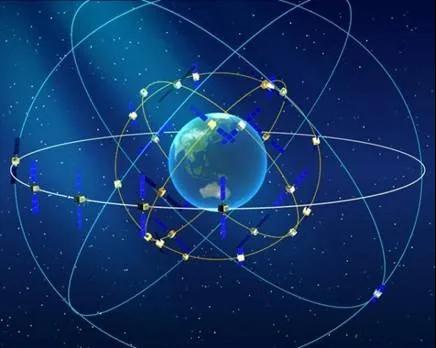
▲ Beidou navigation satellite network diagram
The satellite navigation system has reached the international advanced level
“The construction of a high-performance and highly reliable Beidou global satellite navigation system is not only the improvement and upgrade of the Beidou regional system, but also a focus on the climb and leap forward of the world-class satellite navigation system."Xie Jun, deputy chief designer of the Beidou-3 project of the Fifth Academy and chief satellite designer, said that after the system is completed, its performance will be equivalent to that of the American GPS, bringing my country's satellite navigation system to the international advanced level.
Compared with the Beidou-2 regional system, the service area of Beidou-3 will be expanded to the whole world. At the same time, it has achieved breakthroughs in key technologies such as the upgrade and transformation of downlink navigation signals, completed a smooth transition with the Beidou-2 downlink navigation signals, and added new navigation signals on this basis to provide users with better services.
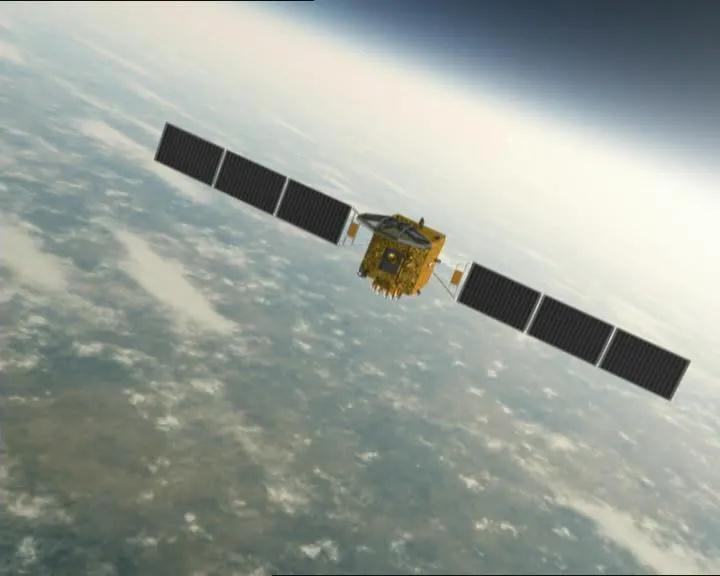
▲ Beidou-3 satellite soaring in space
According to reports,Beidou-3 global satellite navigation systemDepend onMEO satellite(Earth medium orbit satellite),IGSO卫星(inclined geosynchronous orbit satellite) andGEO satellite(Geostationary satellite) consists of three satellites in different orbits, including 24 MEO satellites, 3 IGSO satellites and 3 GEO satellites.
As the big man in the Beidou family,The GEO "Lucky Star" family is stationed in Tianjiang, 36,000 kilometers away, providing enhanced services for the improvement of technical indicators of the Beidou navigation system.
According to reports, the satellite platform used by the "Jixing" family is the Dongfanghong 3B (navigation) satellite platform developed by the Fifth Academy, which is one of the largest satellite platforms currently in service in my country.
The strong carrying capacity allows the "Jixing" family toRadio navigation, radio determination, satellite-based enhancement, precision single-point positioning, power enhancement, inter-station time synchronization and positioningThe six major capabilities can provide users in my country and surrounding areas with diversified services such as positioning, navigation and timing, short message communication, satellite-based enhancement, inter-satellite communication and measurement, inter-station synchronization, and precise single-point positioning.
“The most distinctive feature is active positioning and short message communication, which is a pioneering work of China’s Beidou system."Xie Jun introduced that active positioning uses radio measurement technology, which is the "gene" of Beidou. Through the cooperation of two GEO navigation satellites,It can not only answer the user's "Where am I", but also tell relevant parties who are paying attention to the user's whereabouts "Where are you". It is widely used in search and rescue, fishery and other fields, and is a "clairvoyance" to ensure the safety of people's livelihood.
The short message communication capabilities of Beidou-3 have also been significantly improved.The information sending capability has been increased from 120 Chinese characters at a time to 1,200 Chinese characters at a time. In emergencies, there is no need to consider words and sentences. It is enough to explain the plot clearly at once. Pictures and other information can also be sent, and the application scenarios are more abundant.At the same time, the service capabilities of Beidou-3 have expanded 10 times compared to Beidou-2. More people can enjoy the inclusive services of the Beidou navigation system in the fields of communications, electricity, finance, surveying, mapping, transportation, fishery, agriculture, and forestry.
In terms of mass applications, from mobile phone positioning to watch timing, from shared bicycles to driverless driving; from traffic navigation to disaster prevention and mitigation, from unmanned farming to assisting in the fight against the epidemic; from the Internet of Vehicles to the Internet of Things, from smart ports to smart drilling rigs, with the advent of the 5G commercial era, Beidou is accelerating its integration with new generations of mobile communications, blockchain, artificial intelligence and other new technologies. New models, new business formats, and new economies of Beidou applications are constantly emerging, which will profoundly change people's production and lifestyle.
In March this year, after the second GEO satellite of Beidou-3 was put in place, the active positioning function under the new system of Beidou system was verified, marking the beginning of a comprehensive upgrade of the radio measurement function. With the addition of the "Xingxing", the three "Lucky Star" brothers of Beidou 3 are reunited in space, which will open a wider distance on the equator and provide services to a wider area along the Belt and Road. The characteristics of Beidou will jump to a new height.
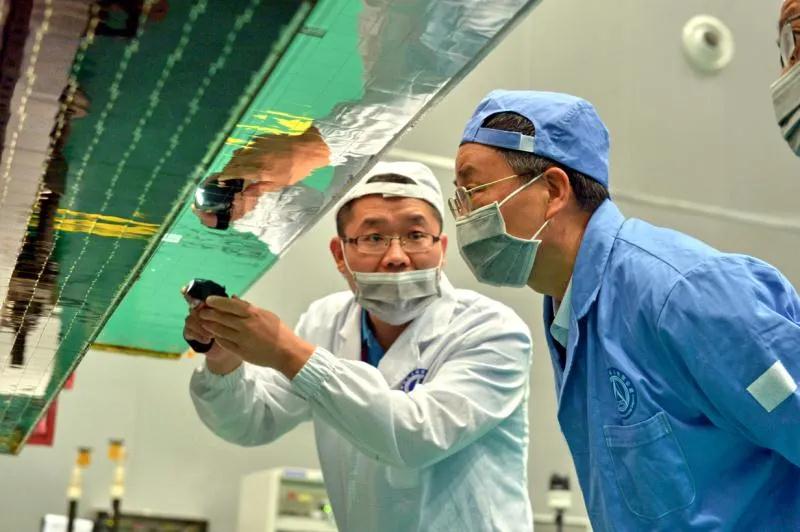
▲ Designers from the Fifth Academy discussed specific issues at the work site
Beidou’s “three-step” strategy leads to consecutive battles and victories
"In the 1980s, China began to explore a development path for satellite navigation systems suitable for its national conditions and formed a 'three-step' development strategy." Chen Zhonggui said,The Beidou system has gone through three construction stages: Beidou system 1, system 2 and system 3.
In 1983, experts and scholars represented by Academician Chen Fangyun, winner of my country's "Two Bombs and One Satellite Meritorious Medal" and the main proposer of the national "863 Project", proposed the idea of using two geosynchronous orbit satellites to measure ground and air targets.
In 1994, the Beidou-1 system project started construction. In 2000, two geostationary orbit satellites were successfully launched, and the system was completed and put into use. In 2003 and 2007, the launch of the third and fourth geostationary orbit satellites was completed, further enhancing the performance of the system. The Beidou-1 system uses an active positioning system to provide Chinese users with positioning, timing, wide-area differential and short message communication services, making my country the third country to have an independent satellite navigation system after the United States and Russia.
In 2004, the Beidou-2 system project started construction. By the end of 2012, the network launch was completed and the world's first hybrid constellation regional satellite navigation system was successfully built. The service area covers the Asia-Pacific. Beidou System became one of the four major service providers of international satellite navigation systems.
In 2009, the Beidou-3 system started key technology research and engineering construction. In 2018, the construction of the Beidou-3 basic system was completed, officially providing basic navigation services to the "Belt and Road" and the world. China's Beidou has taken a substantial step towards the goal of global networking; at the end of December 2019, the deployment of the core constellation of the global system was completed; on June 23, 2020, the 55th Beidou navigation satellite was successfully launched, and the deployment of the Beidou-3 global satellite navigation system constellation was fully completed.
"With the successful launch and stable operation of the 'Xingxing' in orbit, it means that the Beidou system has left China and gone global."Xie Jun said.
"For decades, the service positioning accuracy, system stability, and functional comprehensiveness of the Beidou system have been continuously improved, and it has become an important national space infrastructure, fully supporting the needs of national security and economic and social development." Chen Zhonggui said,Looking to the future, it is planned to build and improve a more ubiquitous, more integrated, and more intelligent national comprehensive positioning, navigation and timing system with the Beidou system as the core in 2035.
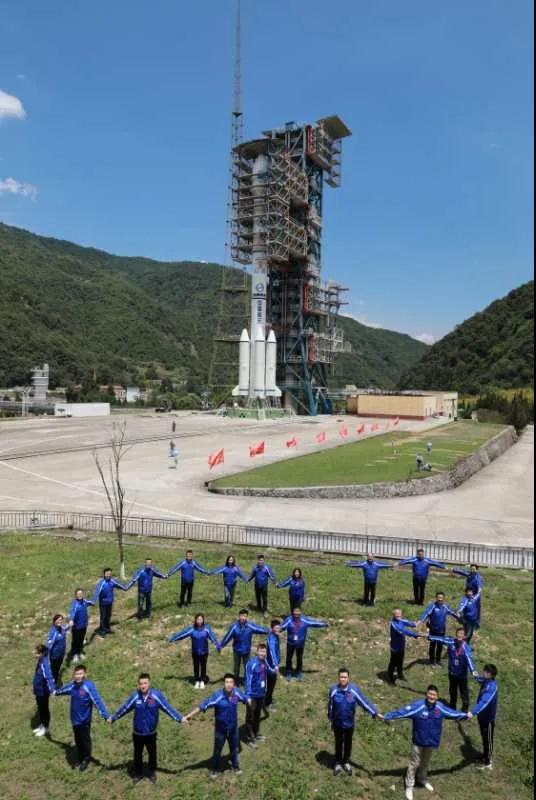
▲ The satellite was transferred to the launch tower, and the "Jixing" team took a group photo with the Star Arrow
Independent and controllable, shouldering the heavy responsibility of strengthening the country
"Beidou is an important weapon of the country. It is related to modernization construction and national economic development. It is crucial to be independent and controllable." Chen Zhonggui said, as important time and space information, if it is provided by others, where will the sense of security come from? For example, the current hot topic "new infrastructure" will be an important direction for the next stage of my country's construction and development.The time benchmark and spatial position benchmark are crucial foundations, and the Beidou navigation system is the infrastructure and foundation of the "new infrastructure".
"Key core technologies cannot be obtained, bought, or begged for." On the road of Beidou development, Beidou people in the Fifth Academy felt this especially deeply.
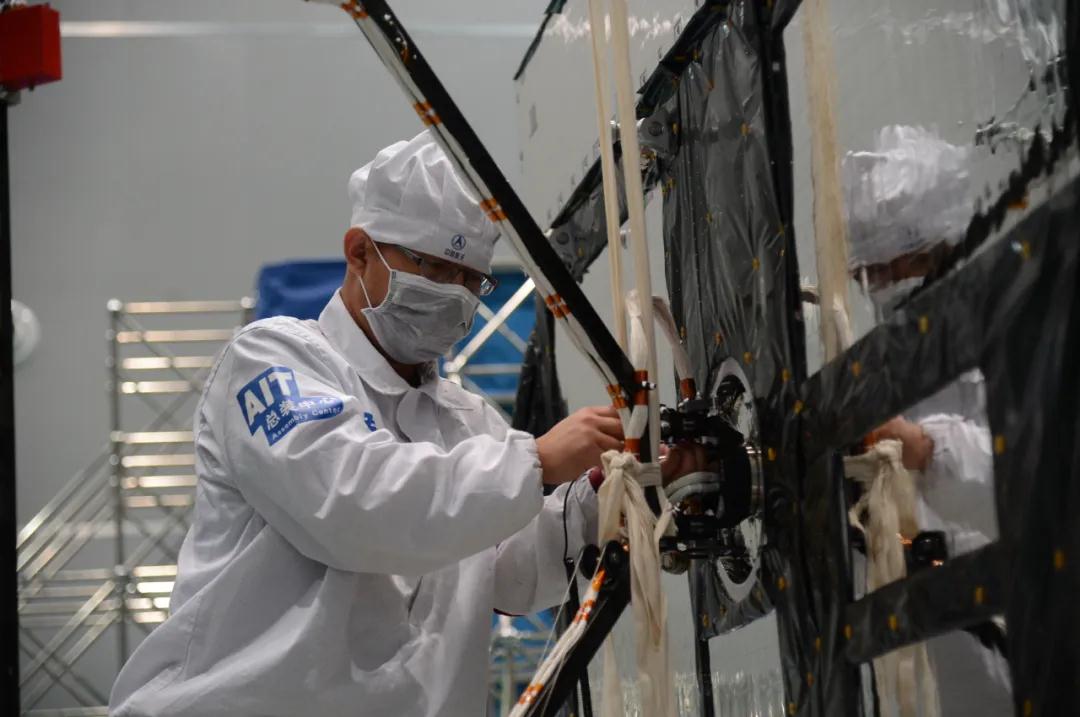
▲ Careful operation by Beidou people from the fifth hospital
"How to build a high-precision space lighthouse? Who will measure its position? How to maintain stability? How can multiple satellites work safely and reliably?" Xie Jun said,This "Four Questions" involves four aspects: satellite body structure, overall navigation technology, core single-machine development, and independent innovation breakthroughs., Beidou's road to localization has been arduous. Through the exploration and practice of the three generations of Beidou systems, it has finally lived up to its time and delivered a shining answer.
"Localization started with the solar panels of Beidou-1." Academician Fan Benyao, chief designer of Beidou-1, recalled that during the construction of the Beidou-1 system, foreign countries blocked our technology, and key single machines and components were "stuck" by some countries. However, domestic component manufacturers were not yet mature, and the development of Beidou-1 could only start through exploration.
"At that time, Beidou was the first one to 'eat crabs' and took the plunge," Fan Benyao said. Whether it is the emergence of the Dongfanghong-3 platform or the three key components that affect its long life, Beidou-1 has solved the most basic problems of satellites with its entrepreneurial spirit of self-reliance. Solar panels for power distribution provide components for converting light into electricity for satellites, as well as the rotation mechanism of the control system.The localization of these core products has given Beidou satellites a "Chinese physique".
The subsequent localization research was even more difficult.
Beidou-2 broke the foreign technological blockade and conquered a number of key technologies represented by the overall navigation satellite technology and high-precision spaceborne atomic clocks, allowing the "heart" of the satellite navigation system to beat the "Chinese heart rate".
Beidou-3 has embarked on a new journey of innovation and development. The satellite team of the Fifth Academy took the lead in proposing the world's first new hybrid system for inter-satellite links in high-medium orbits, and formed system solutions such as inter-satellite link network protocols, independent orbit determination, and time synchronization with independent intellectual property rights, filling the domestic gaps; it established an integrated system for the localization of components from development, verification to application, completely breaking the long-term dependence on imports and control of core components.
Introduction by scientific researchers of the Beidou-3 development team,The Beidou-3 system has three major highlights:
First, new breakthroughs have enabled unlimited connectivity.Since my country's Beidou system cannot establish ground stations around the world like the U.S. GPS, in order to solve the data transmission channel for overseas satellites, the Beidou-3 development team of the Fifth Academy has conquered the constellation inter-satellite link technology and adopted an integrated design of inter-satellite and satellite-ground transmission functions to achieve link interoperability between satellites and satellites, and between satellites and ground stations.
In other words, although the Beidou satellites on the other side of the earth are "invisible", they can still be contacted using the inter-satellite links of the Beidou satellites. Using inter-satellite link technology, not only can satellites communicate with each other and transmit data, but they can also measure distances from each other and automatically "maintain formation", which can reduce the pressure on ground management and maintenance. In the application of inter-satellite link technology, new network protocols, management strategies and routing strategies have been designed to solve the problem of not being able to deploy stations globally for satellite overseas monitoring, which is a major feature of the construction of the Beidou global navigation system.
Second, new technologies enable long lifespan of satellites."Beidou is an open system. China's Beidou is also the world's Beidou. China's development of satellite navigation technology is an important infrastructure for the national economy and an infrastructure that provides time and space coordinates for all mankind. The continuity and stability of services are very important." Chi Jun, commander-in-chief of the Beidou-3 satellite of the Fifth Academy, said that just like water and power outages affect urban life, once satellite navigation services are interrupted, the normal operation of the country and society will be greatly affected. Therefore, stringent design requirements are put forward for the reliability and continuity of satellite navigation.
In order to improve the reliability of satellite on-orbit services, Beidou-3 has adopted a number of reliability measures to increase the design life of the satellite to 12 years, reaching the advanced level of international navigation satellites and providing a basic guarantee for the continuity and stability of Beidou system services.
Third, the new "artifact" makes services "zero error."In order to improve the accuracy of services, Beidou-3 is equipped with a new generation of atomic clocks, which improves satellite performance and user experience by improving atomic clock indicators. Atomic clocks use the stable characteristics of atomic transition frequencies to ensure the accuracy of generated time. Currently, there are mainly rubidium atomic clocks, hydrogen atomic clocks, cesium atomic clocks, etc. in the world. my country's Beidou satellite uses rubidium atomic clocks and is also equipped with a newly developed domestically produced hydrogen atomic clock with higher performance. Although the hydrogen atomic clock has greater mass and power consumption than the rubidium atomic clock, its stability and drift rate are better. Compared with rubidium atomic clocks, our country started later. In 2015, the hydrogen atomic clock developed by our country was verified for its first on-orbit application and carried out technical exploration for the Beidou global navigation system. So far, its functions and performance are very stable. The on-orbit application of spaceborne hydrogen atomic clocks plays an important role in realizing Beidou navigation and positioning "accurate every second."
"'Xingxing' is a masterpiece in terms of localization. It has independent intellectual property rights and core technologies. Beidou navigation satellite stand-alone and key elementsThe localization rate of devices reaches 100%. "Xie Jun said that controllability of core technologies is the key to the innovative development of China's space industry.。
This article is reprinted from "Lookout News Weekly", which supports the protection of intellectual property rights. Please indicate the original source and author when reprinting. If there is any infringement, please contact us to delete it.
Related Recommendations