






















Service Hotline
News

News
Behind lane-level navigation - look at the accuracy breakthrough of high-precision positioning technology and its application scenarios
2021-12-28
734
Recently, Amap officially launched the high-definition version of lane-level navigation. This is a major breakthrough in the application of high-precision Beidou positioning and reflects the continuous evolution and development of high-precision positioning technology.
01
Breakthrough in positioning accuracy: from meter level to sub-meter level
The Beidou system provides all-weather, all-weather, high-precision positioning, navigation and timing services to users around the world. "How it should be used" and "to what accuracy is used" have become issues that have attracted much attention.
The positioning error of 5 to 10 meters in traditional satellite navigation systems is actually unable to meet the needs of production and life. However, since the successful global network deployment in 2020, the Beidou system has brought about earth-shaking changes in people's production and life by providing high-precision positioning services.
At present, with the help of the Beidou ground-based augmentation system, wide-area real-time positioning accuracy of meter level, decimeter level, centimeter level and post-processing millimeter level can be achieved.
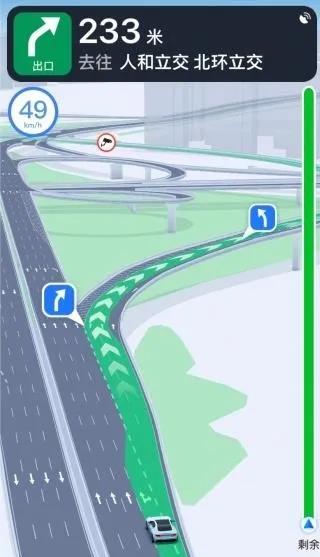
This can be described as a major breakthrough in high-precision Beidou positioning applications. Using high-definition rendering technology, the real road scene can be restored on the screen to the greatest extent, including the number of lanes on the current road, ground markings, entrances and exits, special lanes, etc.
In the future, if it is to be applied to intelligent driving scenarios, in order to ensure the safety of autonomous driving, the positioning accuracy requirements for navigation technology may be even higher, and the lateral accuracy of the road generally needs to be less than 20 centimeters. It can be seen that as people's demand for high-precision services continues to increase in production and life, high-precision positioning technology must continue to develop and progress.
02
Application scenarios of high-precision positioning technology
In the context of the Internet of Things, how to improve operational efficiency through more intelligent technologies has become a direction that various fields are constantly exploring. Location is basic and indispensable information. Higher-precision positioning information can bring higher benefits and value.
(1) Precise flight of drones
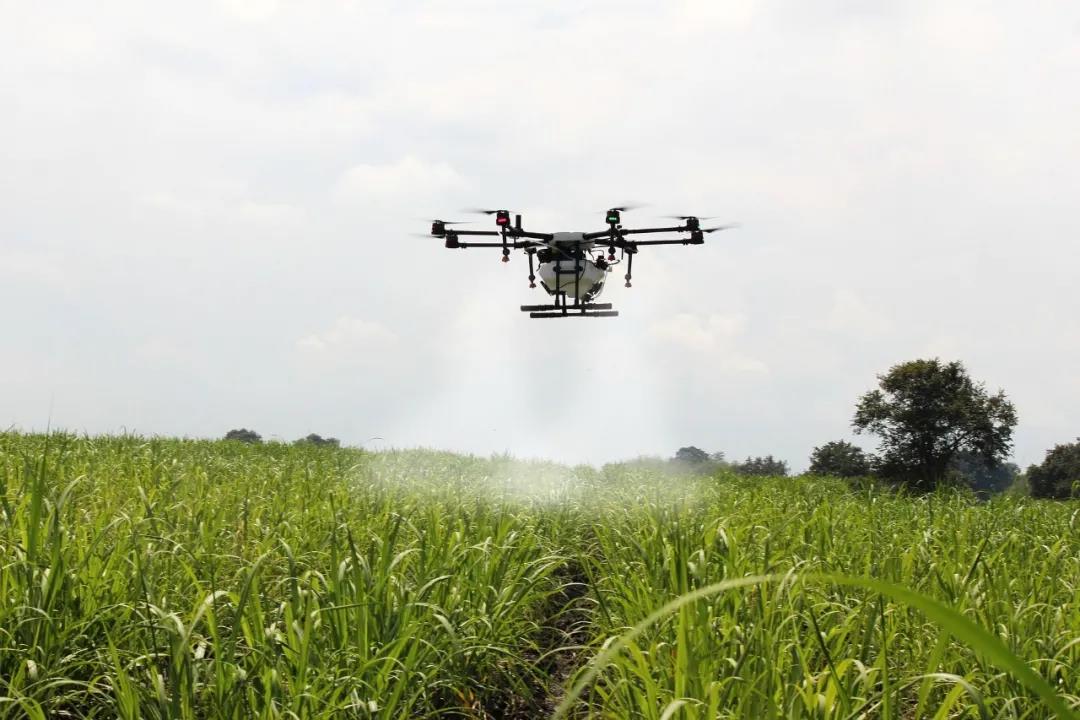
(2) Precision operation of automated agricultural machinery

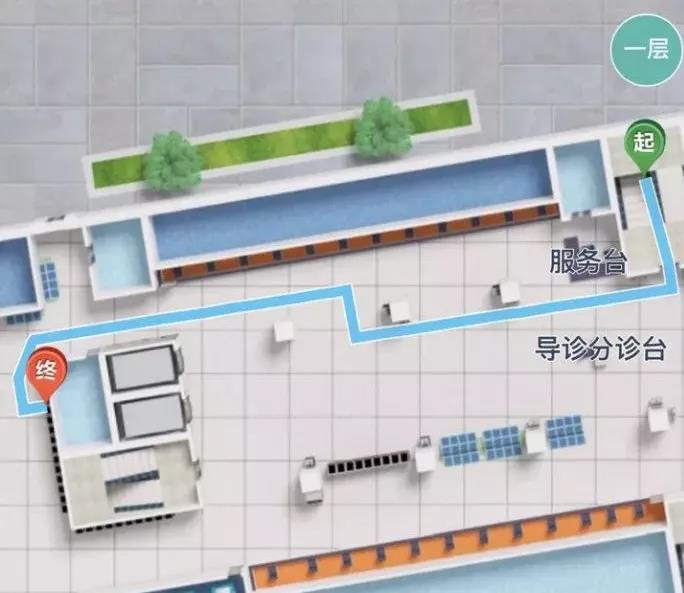
In addition to outdoor scenes with little occlusion, high-precision positioning technology will also be applied to more complex scenes. With the rise of the Internet of Things, indoor positioning has benefited from strong location awareness capabilities and has ushered in a golden period of development.
(1) Application in shopping malls
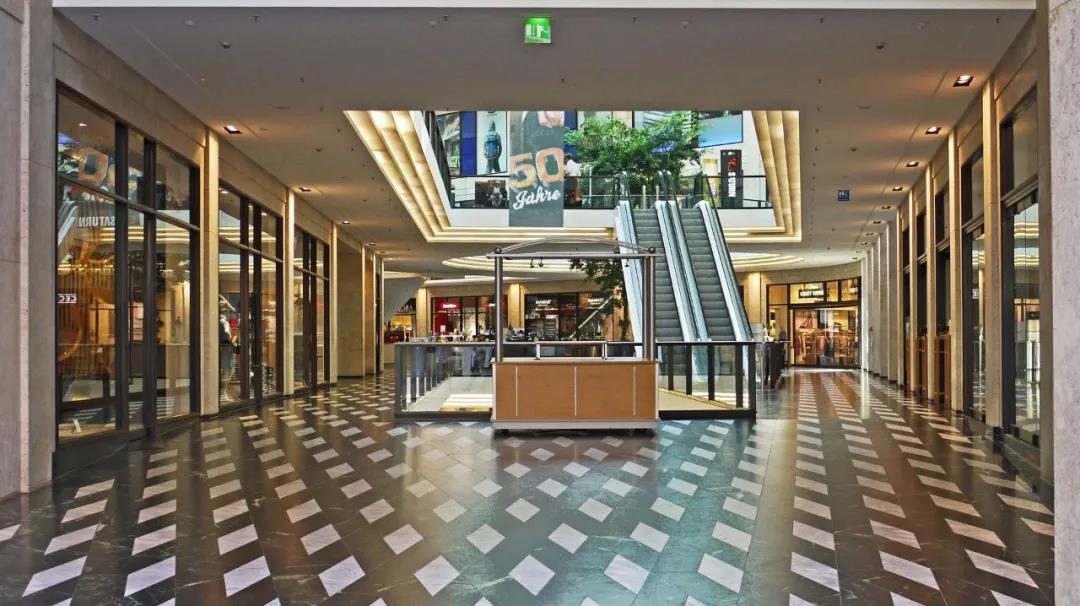
In commercially intensive areas such as large shopping malls, not only are there many shops, but the browsing paths are also complex, so people will have navigation needs in these places. Indoor positioning technology allows people to quickly find their destination through convenient indoor navigation. High-precision indoor navigation can even guide people to quickly find products on the shelves.
(2) Application in hospitals
(3) Application in construction sites
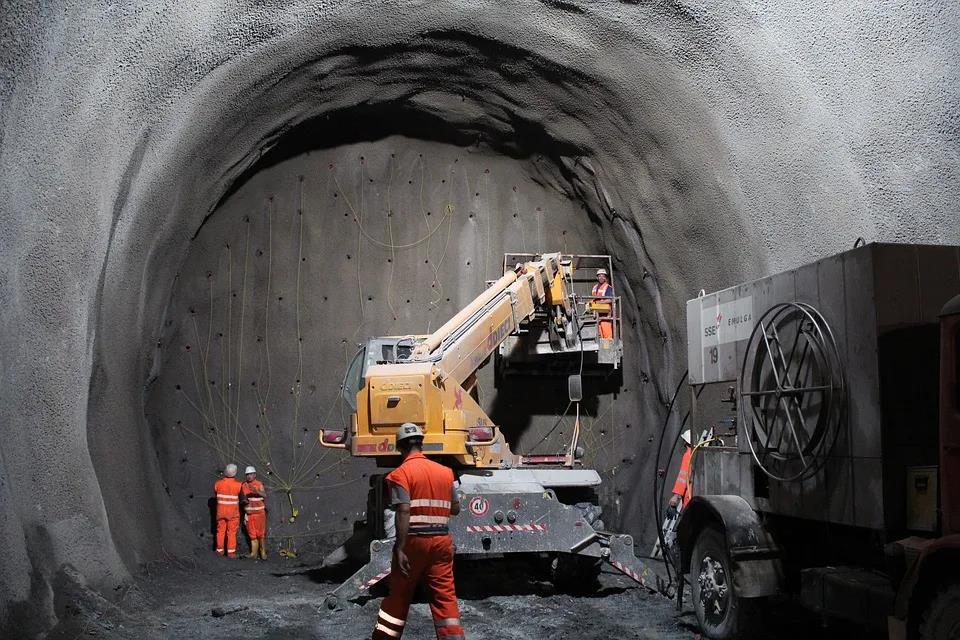
In construction sites such as chemical plants, subway construction, and tunnel construction, the positioning of personnel is a rigid need. In these scenarios, on the one hand, from the perspective of employee safety, employees need to be positioned and alerted for help when they are in danger; on the other hand, visitors need to be positioned and managed in these places to prevent visitors from entering dangerous areas. Currently, in many construction scenarios, project parties will provide a certain proportion of funding support for positioning services.
In the future, high-precision positioning needs to be expanded to more scenarios, from outdoor to indoor, from driving to walking, and ultimately achieve full scene coverage.
Some sources of data: CCTV, Indoor Positioning Theory, Beidou Today has slightly adjusted the article
This content comes from the Internet/Beidou today, this website only provides reprinting. The views, stance, technology, etc. of this article have nothing to do with this website. If there is any infringement, please contact us to delete it!
Related Recommendations