























服務熱線
新聞

新聞
6年2030G:5大趨勢、13項核心技術
2021-12-28
685
5G已全面商用。隨著5G不斷滲透到各個垂直行業,人們對6G的設想也逐漸被提上日程。展望2030年後,6G將在5G的基礎上,結合人工智慧等技術的發展,全面支撐全球數位化進程,實現智慧的普及,賦能萬物,推動社會邁向虛擬與現實融合的「數位孿生」世界,實現「數位孿生,普適智能」的美好願景。
Around this overall vision, 6G networks willEnjoy life intelligently,智能生產,Zhihuan SocietyThese three aspects have given rise to new application scenarios, such as twin digital humans, holographic interaction, super transportation, synaesthesia interconnection, intelligent interaction, etc.
這些場景將需要太比特級峰值速率、亞毫秒延遲體驗、超過1,000公里/小時的移動速度,以及內生安全、內生智能和數位孿生等新型網路能力。為了滿足新場景和新業務的更高要求,6G空口技術和架構需要進行相應的變革。

01 future network technology
目前,隨著資訊通信技術、大數據和人工智慧的深度融合,網路普及性的進一步擴展,使用者體驗和個人化服務需求的不斷提高,以及眾多新使能技術的不斷湧現,未來網路也呈現出以下主要特徵和發展趨勢。
1.全頻譜通信
隨著通訊需求的不斷增長,行動通訊網路需要更多的頻譜資源。由於6GHz以下的頻譜資源已被分配完畢,26GHz和39GHz的毫米波頻段也已分配給5G網路。為了滿足更高容量和超高體驗速率的需求,還需要研究更高頻段,例如太赫茲和可見光頻段。
可見光通常指頻率範圍在430~790THz(波長380~750nm)的電磁波,其候選頻譜約為400THz。太赫茲波指頻率範圍在0.1~10THz(波長30~3000微米)的電磁波,其候選頻譜約為10THz。兩者都具有頻寬寬、易於實現超高速通訊的特點,是未來行動通訊系統的潛在補充。

▲頻率分佈
可見光和太赫茲波的空間傳輸損耗都很大,因此不適合地面通訊中的遠距離傳輸,但適合在本地和短距離場景中提供更大的容量和更高的速率。
為了提高覆蓋範圍,可見光通訊可利用其低功耗、低成本、易於部署等特點,結合照明功能,透過超密集部署實現更廣的覆蓋範圍;太赫茲通訊由於其波長短、天線陣列尺寸小、發射功率低,更適合與超大規模天線結合使用,形成寬度更窄、方向性更好的太赫茲波束,可以有效抑制干擾,提高覆蓋距離。
從整個6G行動通訊網路部署的角度來看,需要綜合考慮成本、需求和業務經驗,並根據不同場景有效利用所有可用的頻率資源。 6GHz以下頻段仍將發揮重要作用,尤其是在提供無縫網路覆蓋方面。毫米波頻段的作用將會更加顯著。太赫茲和可見光頻段將在本地和短距離場景下提供更大的容量和更高的速率。
因此,在將可見光和太赫茲通訊引入行動通訊網路後,有必要考慮將6GHz以下的所有頻段、毫米波、太赫茲、可見光等進行深度融合組網,以實現各頻段的動態互補,從而優化整個網路的整體服務品質並降低網路能耗。
2. 天空、天地一體化
未來的網路在大幅提升用戶體驗的同時,還必須滿足飛機、船舶等空中互聯網的網路服務需求,保障高速移動地面車輛、高速鐵路等終端的服務連續性,支援大規模物聯網設備的部署,例如即時救援救災、環境監測、森林防火、無人區巡查、海運貨櫃資訊等,並實現人口稀少地區的低成本覆蓋範圍。因此,未來網路的主要形式是將網路覆蓋擴展到太空、深山、深海、陸地等自然空間的三維覆蓋網路。為此,需要建構空間、太空、地面一體化的網絡,以實現通訊網路在全球範圍內的三維「無所不在」覆蓋。
The space-space-ground integrated network mainly includes three parts: space bases composed of satellites in different orbits, space bases composed of various aerial vehicles, and ground bases composed of satellite ground stations and traditional ground networks.Wide coverage, flexible deployment, ultra-low power consumption, ultra-high accuracy and not susceptible to ground disasters等特點。
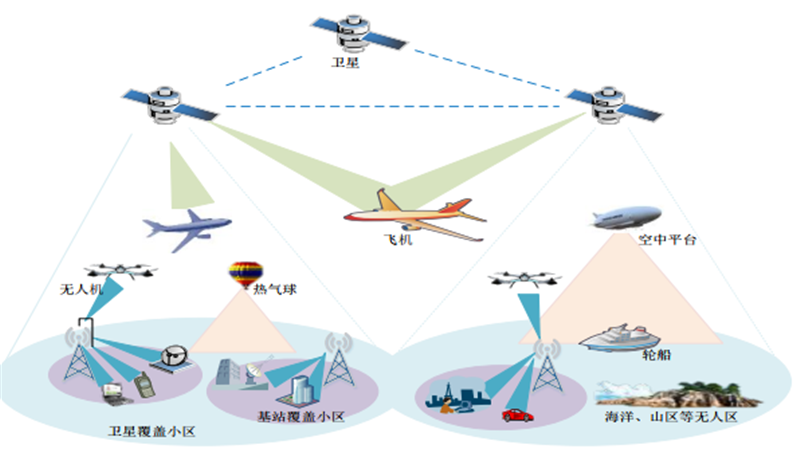
▲Air, space and ground integrated network
面向6G的空天地一體化將衛星通訊網路視為地面通訊網路的重要補充與延伸,並深度融合二者,顯著提升用戶空中介面接取能力與三維覆蓋能力。透過星地資源協同調度和空空地一體化網路的無縫星地漫遊,可為使用者提供無感知的一致性服務,確保網路強大的韌性和綠色高效的資源利用。
3.DOICT整合
6G is a new generation of mobile communication system that is deeply integrated with communication technology, information technology, big data technology, AI technology, and control technology. It shows strong interdisciplinary and cross-field development characteristics.The 6G vision of "digital twins and ubiquitous intelligence" requires end-to-end design from information collection, information transmission, information calculation, and information application. DOICT integration will be the development trend of 6G end-to-end information processing and service architecture.
資訊通信技術(ICT)的深度融合促進了網路的全維度可定義性,這是建立靈活網路的基礎。數位資訊通訊技術(DICT)的深度融合促進了人工智慧和大數據在網路中的全面滲透,這是建立智慧網路的基礎。數位資訊通訊技術(DOICT)的深度整合促進了確定性網路的發展,是建構自動化系統和數位孿生系統的基礎。
DOICT將基於大數據流,實現雲端、網路、邊緣、終端和產業的深度整合,以區塊鏈為代表手段創造可信任環境,提高各方資源利用效率,協同提升雲端邊緣運算能力、網路能力、終端能力和業務能力。
4. 網路可重構性
隨著行動通訊技術的快速發展,業務需求和應用場景變得更加多元化和個人化。未來,6G網路將採用更靈活的可重構架構設計。
一方面,基於共享硬體資源,此網路可根據不同用戶的不同業務需求分配相應的網路和空口資源,實現端到端的按需服務。在提供極致服務的同時,也實現了資源共享,最大限度地提高了資源利用率,降低了網路建設成本。另一方面,極簡的網路架構和靈活可擴展的網路特性為後續的網路維護、升級和優化提供了極大的便利,進一步降低了營運商的網路營運成本。此外,6G智慧化固有的特性也對網路提出了更高的運算能力和可擴展性要求。
5.感知-通訊-計算一體化
感知-通訊-計算一體化是指在資訊傳輸過程中同時執行資訊收集和資訊計算的端到端資訊處理技術框架。它將打破以往終端資訊收集、網路資訊傳輸和雲端邊緣運算各自獨立的資訊服務模式,是實現感知、通訊和運算高度耦合服務(例如無人系統、沉浸式系統和數位孿生系統)的技術要求。
感知-溝通-計算一體化具體分為兩個層次:功能協作和功能融合。在功能協作框架下,感知資訊可以增強通訊能力,通訊可以擴展感知的維度和深度,計算可以進行多維數據融合和大數據分析,感知可以提升計算模型和演算法的性能,通信可以實現普適計算,計算可以實現超大規模通信。
在功能整合框架下,感知訊號和通訊訊號可以整合波形設計與偵測,並共用一套硬體設備。目前,雷達通訊整合技術已成為研究熱點。太赫茲探測能力與通訊能力的集成,以及可見光成像與通訊的集成,已成為潛在的6G技術發展趨勢。感知與運算集成到算力感知網路中,運算與網路集成,從而實現端到端可定義的網路和微服務架構。
未來,隨著軟體定義晶片技術的發展,感知通訊運算可以實現功能重構。
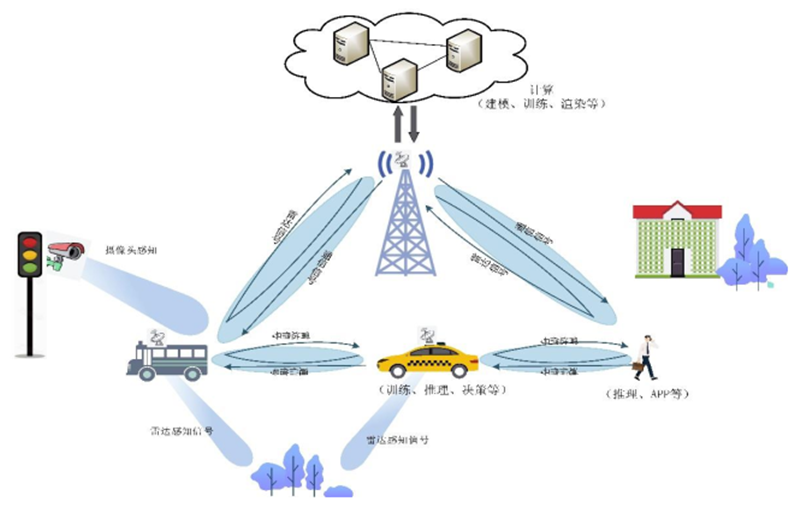
▲Perception-communication-computing integrated application scenario
Application scenarios for sensing-communication-computing integration include unmanned services, immersive services and digital twin services. In the field of unmanned business, it provides intelligent agent interaction capabilities and collaborative machine learning capabilities; in the field of immersive business, it provides the sensing and rendering capabilities of interactive XR, and the sensing, modeling and display capabilities of holographic communication; in the field of digital twin business, it provides the sensing, modeling, reasoning and control capabilities of the physical world; in the field of body area network, it provides personnel monitoring, human parameter sensing and intervention capabilities.
02wireless enabling technology
面對Tbps級峰值速率、Gbps級使用者體驗速率以及接近有線連接延遲等新型應用場景帶來的新指標要求,僅依靠現有5G技術難以滿足這些需求。因此,業界也積極探索新技術、新架構和新設計,以期能取得新的突破。本章將從基礎傳輸技術、協定與架構設計、自主網路技術三個面向分析未來無線接取網路的潛在關鍵技術。
眾所周知,更大的頻寬可以提高系統的峰值速率,但頻譜效率的提高也取決於物理層傳輸技術的發展。
1. 分散式超大規模MIMO
超大規模MIMO技術的引進大大提升了4G/5G網路容量。然而,由於路徑損耗和小區間幹擾,小區邊緣使用者體驗仍有待改善。分散式超大規模MIMO技術將傳統的集中式部署方式擴展為分散式部署,引入了多個分散式節點間的智慧協作,實現了資源的聯合調度和資料的聯合傳輸,如下圖所示。透過分散式部署和智慧協作,一方面有效消除乾擾,提升訊號接收品質;另一方面有效擴大覆蓋範圍,為使用者帶來無邊界的效能體驗。在未來的6G網路中,尤其是在高頻段和密集部署場景下,該技術將展現出巨大的應用潛力。
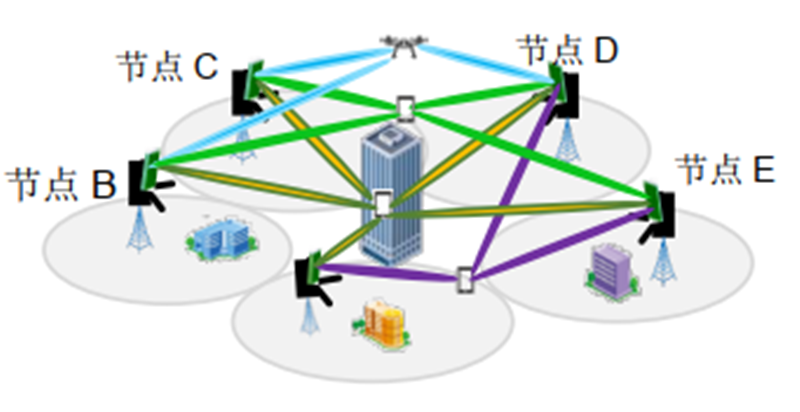
▲Distributed ultra-large-scale MIMO diagram
業界已從理論上論證了分散式MIMO在提升通道容量方面的優勢。理論分析表明,在天線總數、總發射功率和覆蓋範圍相同的條件下,分散式MIMO系統的性能比集中式MIMO系統更加均衡,這是因為分散式MIMO系統始終存在更靠近用戶的分散式節點,並且採用了智慧化的調度和整形協同機制。尤其對於邊緣用戶而言,效能提升更為顯著。
由於天線規模和節點數量的顯著增加,分散式超大規模MIMO對節點間的資訊交換能力、聯合協作節點選擇和整形方案設計、演算法複雜度、幹擾處理等方面提出了挑戰。同時,相干聯合傳輸也對節點間收發通道的一致性提出了更高的要求,需要對空口校準方案進行進一步研究。
2. 智慧超表面
可重構智慧表面(RIS)透過其表面的結構單元來控制電磁波。透過調整每個結構單元的參數和位置,它可以調節任意電磁波反射/發射的振幅和相位分佈。這對於解決傳統無線通訊中非視距傳輸、減少覆蓋盲點等痛點具有正面意義。
下圖所示為RIS輔助無線通訊的系統示意圖。基地台控制RIS,RIS根據控制指令調整自身結構單元的幅度和相位,從而實現對基地台發射訊號的受控反射。與傳統中繼通訊相比,RIS可以全雙工工作,頻譜利用率更高。 RIS無需射頻鏈路和大規模供電,在功耗和部署成本方面具有優勢。
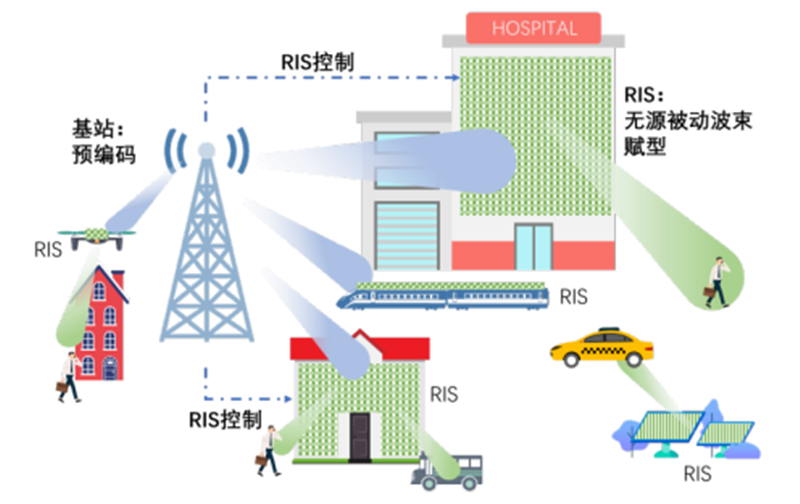
▲RIS輔助通訊系統
RIS在無線行動通訊中的實際應用效果取決於超材料的研究成熟度以及數位化控制超材料的精度和效率。同時,被動特性導致的超表面通道估計困難問題、基地台與RIS的聯合預編碼方案以及RIS網路架構和控制方案等問題也需要進一步研究。
3.超級奈奎斯特傳輸技術
在傳統通訊系統中,為了避免符號間幹擾(ISI),通常採用奈奎斯特準則,但這會限制傳輸符號速率。超奈奎斯特傳輸技術有錯誤,具體方法參考文獻。此方法採用更快的符號發送速率,在傳輸過程中人為引入ISI,然後在接收端使用更先進的接收機透過過採樣消除ISI,如下圖所示,從而提高鏈路的實際傳輸速率和頻譜利用率。
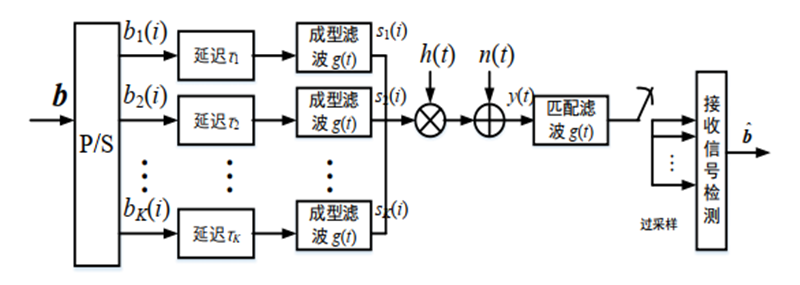
▲Schematic diagram of transceiver block diagram of Super Nyquist transmission system
超奈奎斯特傳輸訊號的功率譜密度僅與發射濾波器的頻率響應函數有關,並未擴展頻寬。下圖比較了超奈奎斯特傳輸系統和傳統奈奎斯特系統的頻寬。基頻時域波形為矩形波,超奈奎斯特傳輸系統的重疊層數為4。從圖中可以看出,超奈奎斯特傳輸系統不會改變頻譜的分佈形狀,也就是不會擴展頻寬。
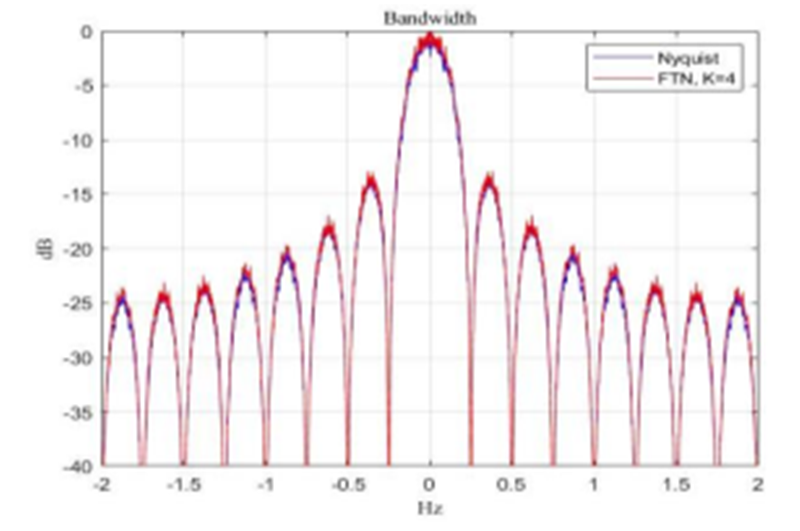
▲Bandwidth comparison between super-Nyquist system and Nyquist system
在多天線系統中,利用超奈奎斯特傳輸技術在發射天線之間產生延遲,並採用過採樣技術創建虛擬接收天線,從而在用戶側天線數量有限的情況下提高空間復用和分集增益。因此,即使是單天線用戶也能獲得空間復用增益。如下圖所示,在高信噪比下,基於超奈奎斯特傳輸的虛擬天線系統相比傳統的MISO系統具有顯著的增益。當訊號雜訊比為10dB時,可以獲得超過40%的容量增益。
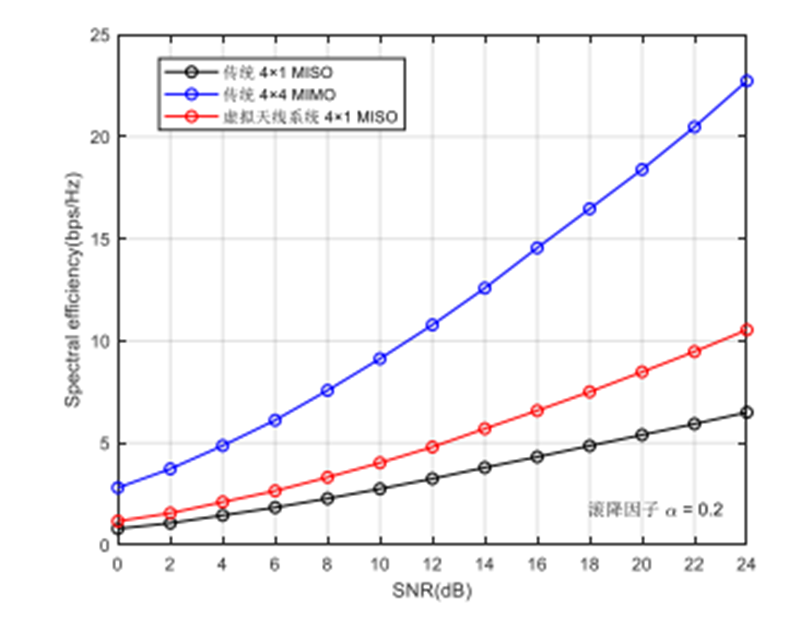
▲Comparison of capacity between super-Nyquist transmission and traditional Nyquist transmission systems
超奈奎斯特傳輸技術的最佳解碼演算法是基於最大似然序列估計的維特比解碼演算法。然而,其複雜度隨重疊的增加呈指數級增長。因此,低複雜度接收機設計對於此系統的實際應用至關重要。同時,多載波和大規模天線在未來仍將是主流技術。如何將它們與OFDM/MIMO技術結合,並考慮實際多路徑衰落通道對系統的影響,需要深入探討。
4. 變換域波形
波形技術在過去幾代無線通訊系統的空口設計中發揮著重要作用。 4G和5G系統中使用的OFDM波形的性能取決於其子載波之間的正交性。如果子載波之間的正交性因多普勒頻移等因素而被破壞,性能通常會顯著下降。
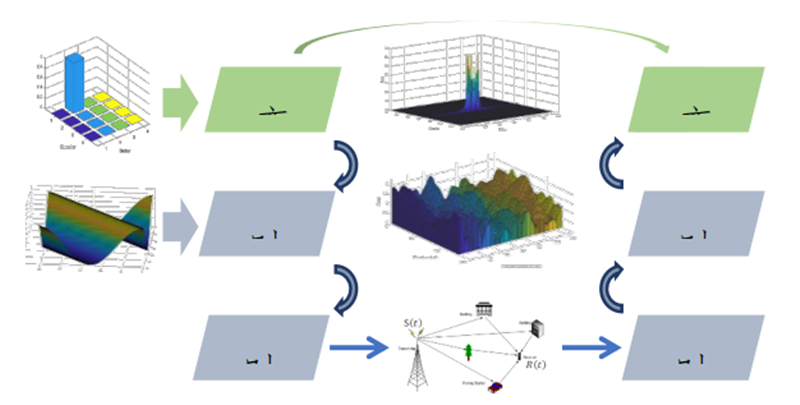
▲變換域波形原理示意圖
變換域波形旨在克服上述OFDM波形的不足。與將發射符號置於經典時頻域的傳統波形方案不同,變換域波形將發射符號置於其他雙域(例如時延-頻率域、時變多普勒域等)中,如下圖所示。透過雙域間的變換,變換域符號可以實現多維分集效應,從而有效地利用OFDM波形中多普勒頻移等不利因素作為分集自由度來提升傳輸性能。
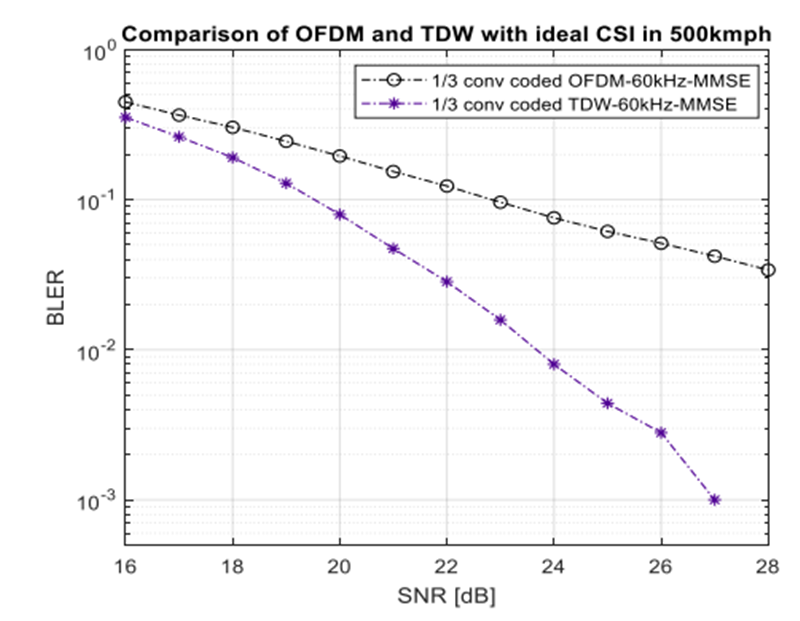
▲Transform domain waveform and OFDM performance comparison
The figure above shows the block error rate performance comparison between the ideal channel estimation assumption down-conversion domain waveform and OFDM in a 500km/h mobile environment. The CDL channel model is considered in the simulation. The subcarrier spacing is 60kHz. The channel coding is a convolutional code with a code rate of 1/3. The number of subcarriers is 128. The transform domain waveform considers the joint processing of six consecutive time domain OFDM symbols. The results show that transform domain waveforms can effectively cope with Doppler frequency offset in high-speed mobile environments and achieve better block error rate performance.
儘管相關研究表明,在高速運動等場景下,變換域波形方案相比傳統的基於OFDM的波形方案能夠取得顯著的性能提升,但如何在降低成本的情況下精確恢復發射訊號仍然是變換域波形研究的重要課題。此外,如何設計高效率的參考訊號以低開銷精確取得多天線頻道也需要進一步研究。
5. AI驅動的實體鏈路
自5G通訊以來,無線網路智慧化已成為一個重要課題,旨在實現更有效率的網路資源分配和利用。作為無線網路智慧化的主要使能技術之一,人工智慧技術正滲透到核心網路、網路管理、實體層以及接取網路的高階協定堆疊等各個層面。其中,物理層人工智慧通常指利用人工智慧/機器學習方法來實現或增強無線網路物理層功能的技術方案。
人工智慧主要可應用於物理層的通道狀態資訊(CSI)處理、接收機設計和端對端鏈路設計。例如,深度學習中的神經網路可用於學習無線通訊中高維CSI的壓縮表示,從而降低CSI回授開銷;人工神經網路可用於學習從接收到的干擾訊號到原始訊號的逆映射,從而無需顯式通道估計和均衡;在特定通道環境下聯合優化發射機和接收機,可學習通道中的非理想效應,從而提高傳輸效能。
然而,以「黑盒」方式以AI模組取代傳統的實體層模組,在效能上很難超越傳統設計。相較之下,將人工智慧方法與人類專家知識結合,能夠更好地發揮雙方優勢,是一種更優的選擇。此外,為了充分發揮AI在降低開銷和複雜性方面的潛力,參考訊號和空口資源分配需要進行相應的設計,甚至需要在多鏈路模組之間進行聯合設計,這可能會對現有的空口框架和信令設計產生更大的影響。
6. 即插即用型連結控制
6G無線存取網需要具備自動覆蓋擴展能力,以更好地實現三維全場景覆蓋。當新的網路業務體加入網路時,可以快速握手、即插即用,實現覆蓋擴展。即插即用的連結控制技術包括以下幾個面向:
過程意識:Sense various types of access requests and initiate appropriate handshakes and control signaling processes. Different types of access points need to be accurately identified and accessed quickly to achieve flexible expansion of coverage.
Cloud-to-edge control and coordination:The cloud provides flexible and precise management and control of edge access points, including access control, automatic allocation of bandwidth resources, and coordination between links. Cloud processing can introduce AI capabilities to support the above functions.
Auto-generated and self-optimized access points:Utilize digital twin/AI and other technologies to conduct fully automated, full life cycle management and monitoring of various access points. When the access point is newly added to the network, it can automatically complete the configuration and realize self-generation; when the access point is running, it can adjust parameters and automatically optimize according to real-time scenarios, and improve services as needed to better meet the needs of users.
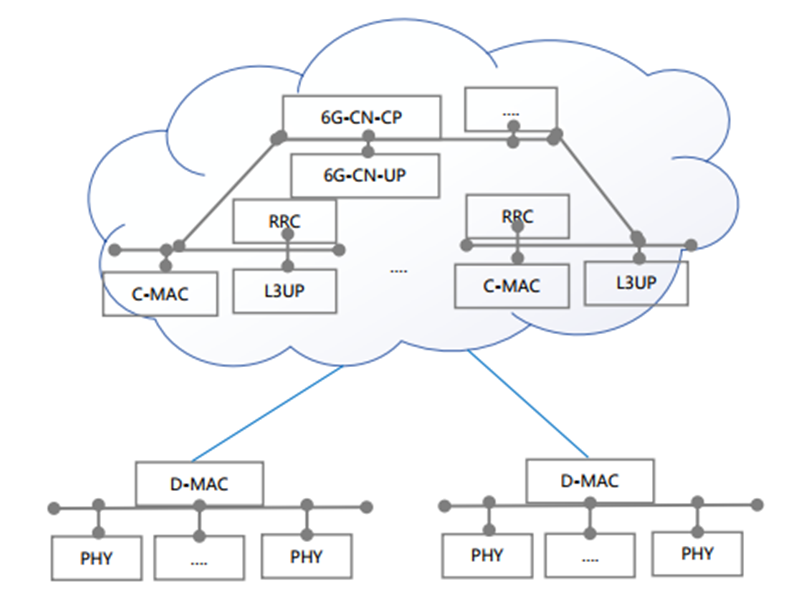
▲即插即用連桿控制
為了確保即插即用介面之間的即時資訊交互,雲端與邊緣之間需要高速高效的傳輸通道以及大頻寬、高實時性的傳輸頻寬。此外,還需要強大的數位孿生技術和人工智慧演算法支持,才能實現遠端存取點的自動化管理和控制。
7. 自適應空口QoS控制
6G時代將是一個高度數據化和智慧化的時代。全像成像、XR服務、虛擬空間感知與互動等新型服務對6G網路的服務品質保證提出了更高的要求。
自適應空口QoS控制是基於端對端QoS約束,它根據空口傳輸的即時性、相對有限的空口資源、傳輸回授時間約束等因素,實現空口傳輸資料的QoS保障,是實現按需空口服務和高效網路能力的關鍵技術。
自適應空口QoS控制包括以下幾個方面:
1. Flexible QoS detection mechanism:Combined with AI/big data technology, it can realize QoS detection and modeling of carried services, as well as adaptive adjustment.
2. Deep integration of business QoS and air interface capabilities:Explore a new QoS mechanism that combines business QoS and air interface service capabilities. Based on the precise requirements of the service, the wireless access network matches the service requirements with the real-time air interface status through scheduling and wireless resource management.
3. AS layer end-to-end QoS mechanism:The terminal combines the QoS information provided by the access network to perform more refined QoS management to achieve accurate and efficient transmission of uplink and downlink data over the air interface.
展望未來,6G網路的業務需求不斷演變。 QoS機制涉及核心網路、傳輸網和接取網路。如何建構一個統一協調的核心網路、傳輸層和接取網路QoS機制,是未來需要考慮的重要議題。
03network enabling technologies
1. 輕量級訊號解決方案
從2G、3G、4G到5G的發展歷程來看,網路規模的不斷擴大和複雜性的日益增加導致了複雜且冗餘的網路架構。根據現有的網路發展趨勢,支撐萬物互聯的6G網路的複雜性將呈指數級增長。輕量級訊號解決方案是6G設計的必然選擇。
6G無線接取網路需要依照統一的信令方案進行設計,並在統一訊號控制下整合多種空口接取技術,以實現空口的統一控制,降低終端接取網路的複雜度。在協定棧功能設計方面,可以考慮差異化協定功能設計,優化協定功能分佈和介面設計,並結合人工智慧技術進一步增強協定功能。
In terms of network functions, 6G networks can be divided intoWide coverage of signaling layer以及 On-demand data layer. Through the mechanism of separating the signaling plane and the user plane, a unified signaling overlay is used to ensure reliable mobility management and fast service access; through dynamic on-demand data layer loading, the business needs of network users are met. The two work together flexibly to reduce the number of base stations deployed and improve users' service perception experience.
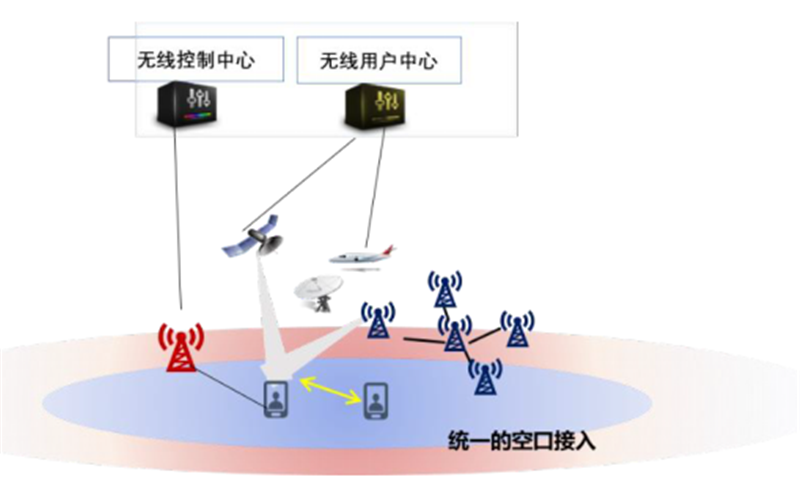
▲輕量化訊號控制
輕量級訊號解決方案需要高可靠性、低延遲和低成本的傳輸網路支援。傳輸網路需要靈活的拓撲結構和足夠的頻寬。無線控制中心、傳輸網路和網路存取點需要一體化設計。此外,訊號與業務的分離需要協調利用6G的可用頻段,以充分發揮其廣覆蓋和靈活業務負載的優勢。
2. 端對端服務設計
隨著數位資訊通訊技術(DOICT)的深度整合和大量新業務的湧現,營運商需要網路具備快速回應新需求的能力,以便迅速提供網路服務。基於雲端原生技術的服務技術是實現上述能力的關鍵,並推動協定功能朝向服務導向的架構演進。基於服務導向的架構的協定功能能夠根據業務需求運作。其技術特點體現在以下幾個方面:
1. Protocol functions driven by cloud native service technology:On the premise of complying with the logical constraint relationships of each protocol layer, the protocol functional entities are reconstructed into flexibly combined modules. Each module can be flexibly combined, deployed and operated as needed to realize new network business service capabilities.
2. Interfaces driven by cloud-native service technology:The internal and external interfaces of the access network are reconstructed based on the cloud-native service-oriented interface form and interface protocols, which already support the flexible combination of protocol function modules and the opening of network capabilities;
3. Capability opening driven by cloud native service technology:Provide third parties with a convenient, fast and unified access network information exchange mechanism and policy adjustment mechanism to achieve a win-win situation through intelligence integration.

▲Protocol based on service-oriented architecture
重建的協定功能包括兩大類:基本功能和增量功能:
1. Basic functions include community-level functions, such as connection management, user plane management, UE energy saving management and other functions as well as corresponding network services.
2. 增量功能包括接取網路服務註冊、資料收集和儲存、能力展示、人工智慧分析和決策以及相應的網路服務。
接入網功能的高即時性和高靈活性對平台的儲存、運算能力和即時資訊互動提出了很高的要求。 DOICT深度整合技術能否滿足這些要求,還需要進一步的研究與驗證。同時,接入網的各項功能緊密耦合,如何在合理配置功能的同時實現「高內聚低耦合」是一個複雜的系統問題。此外,與傳統方案相比,目前的服務化技術會增加單一設備的成本。如何在成本和效益之間取得平衡是一個系統性問題。
該協定基於服務導向的架構,運行於雲端平台,利用雲端原生技術實現基於微服務的開發、部署和管理。雲端原生平台需要適應網路特性,以實現高效、開放的跨雲端部署。
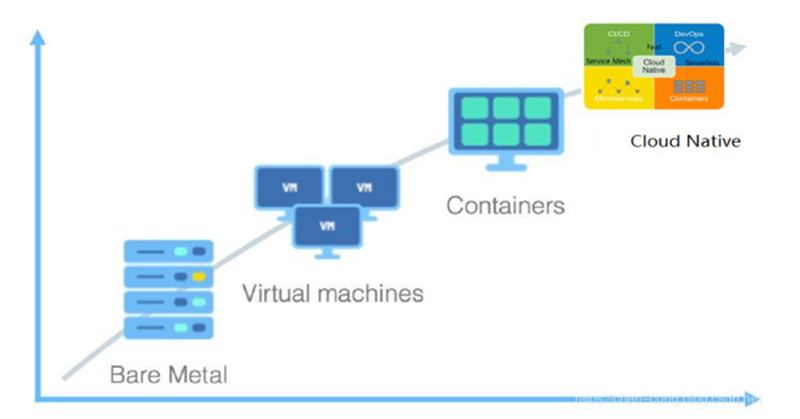
▲Cloud technology evolution trend
過去20年,運算技術經歷了從裸機到虛擬機器再到容器的快速發展,雲端原生已成為最適合雲端架構的技術實踐。雲端原生是雲端應用設計的概念,是充分發揮雲端效能的最佳實踐路徑。它可以幫助維運人員建構彈性、可靠、鬆散耦合、易於管理且可觀測的網路系統,提高交付效率,並降低維運複雜度。代表性技術包括不可變基礎設施、服務網格、聲明式API、Serverless等。雲端原生技術架構具有以下典型特徵:
極致的彈性能夠實現秒數甚至毫秒的響應;
高度自動化的調度機制能夠實現強大的自癒能力;
高度的適應性使其能夠跨區域、平台甚至服務提供者實現大規模、可複製的部署能力。
雲端原生大幅降低了雲端運算的門檻,實現了研發與運維之間的跨領域協作,加快了開放迭代的速度,並賦能業務創新。目前,雲端原生熱門技術正呈現爆發式成長,包括多雲容器編排、雲端原生伺服器、雲端原生儲存、雲端原生網路、雲端原生資料庫、雲端原生訊息佇列、服務網格、無伺服器容器、函數即服務(FaaS)、後端即服務(BaaS)等。
電信服務對效能、低延遲、可靠性、安全性和設備成本有更高的要求。這要求雲端原生技術根據電信服務的特性不斷發展演進,以滿足電信服務的高標準。
3. 智慧感知功能
越來越多的基於雲端的互動式服務具備超低延遲和高頻寬,以適應6G網路。現有的應用層、業務傳輸層和行動網路層的「分層」和「煙囪」式設計導致資料包傳輸時間延長,使用者體驗下降。
為了實現業務傳輸能力與網路能力的精準即時匹配,需要對端到端網路的各協定層引入高精度即時測量和回饋,以實現協同優化,並在網路側引入智慧處理功能,包括智慧估計和預測。一方面,對測量和互動資料進行預處理,實現降維和壓縮;另一方面,根據應用層和業務傳輸層的需求進行訂閱和通知,以降低網路傳輸成本。
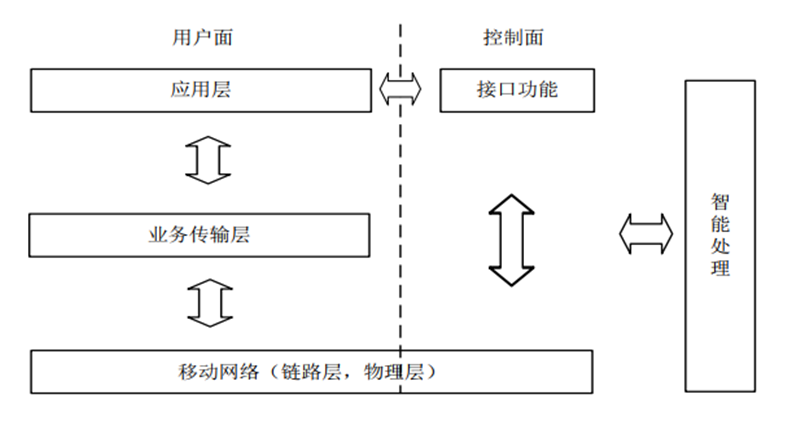
▲Cross-layer joint architecture design
同時,它對應用層的傳輸需求進行深入的智慧感知,在充分保護用戶隱私的前提下,實現對資料包級傳輸需求的即時感知和預測,並為業務傳輸層的擁塞控制和行動網路層的資源調度提供細粒度的指導。
智慧感知網路服務系統需要多個協定層、多個網路元件和多個技術領域之間的協作,面臨許多挑戰,例如技術方案驗證困難、引入潛在的非標準功能等。同時,由於各協議層的共同設計以及互動標準化涉及多個標準組織和工作小組,新技術在標準化方面的推進也面臨巨大挑戰。
4. 基於數位孿生的網路自治系統
數位孿生技術是指利用數位手段,在數位世界中建立實體實體對應的虛擬實體,從而實現對實體實體的動態觀測、分析、模擬、控制和最佳化。數位孿生網路技術涵蓋功能建模、網路元件建模、網路建模、網路模擬、參數和效能模型、自動化測試、資料擷取、大數據處理、資料分析、人工智慧機器學習、故障預測、拓撲和路由優化等。透過這種方式,可以將網路各階段的難解問題轉移到數位世界進行解決,並透過監控、預測、最佳化和模擬實現網路的自主性。
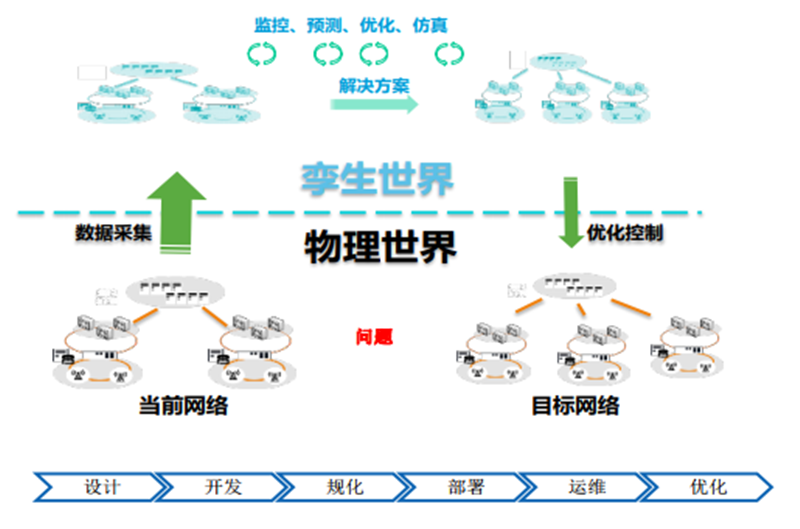
▲Digital twins realize network autonomy
基於數位孿生技術和人工智慧技術,6G網路將是一個具備自優化、自演化和自增長能力的自主網路。自優化網路能夠提前預測未來網路狀態的趨勢,並在可能出現效能下降時進行幹預。數位域持續最佳化並模擬實體網路的最佳狀態,並提前發出相應的運維指令,以自動修正實體網路的運作狀況。
此自演化網路基於人工智慧分析並決策網路功能的演化路徑,包括優化和增強現有網路功能,以及設計、實現、驗證和部署新功能。此自增長網絡識別並預測不同的業務需求,自動協調和部署各個領域的網路功能,產生滿足業務需求的端到端服務流;自動擴展容量不足的站點,並對無網絡覆蓋區域進行自動規劃、硬體自啟動和軟體自加載。
作為應用於網路領域的新概念,數位孿生技術需要在業界達成更多共識。從工業界和其他產業的應用過程來看,這需要很長時間。同時,數位孿生技術依賴大量數據採集,這將增加設備成本,而數據採集方法也需要突破性創新。
5.確定性資料傳輸
確定性概念最初由IEEE提出並制定標準。 IEEE 802.1工作小組於2007年成立了音訊視訊橋接(AVB)任務小組,旨在以乙太網路取代家庭中的HDMI、揚聲器和同軸電纜。隨著IEEE 802.1AVB標準在工作室、體育場和娛樂場所的成功應用,這項技術開始引起工業和汽車行業的關注。
In 2012, the IEEE 802.1AVB Task Group was renamed the Time-Sensitive Networking (TSN) Task Group. The TSN standard extends AVB technology, has time synchronization, delay guarantee and other mechanisms to ensure real-time performance, and supports traffic scheduling and shaping, reliability, configuration management and other related protocols. In 2015, the IETF established the Deterministic Network (DetNet) Working Group, which is committed to extending Ethernet-based deterministic technology to wide-area IP networks to provide worst-case bounds on delay, packet loss, and jitter to provide deterministic data transmission.
如上所述,固定網路確定性傳輸的概念已經提出十年之久,而行動網路確定性傳輸的研究才剛起步。這主要是由於以下兩點原因:1. 空中介面易受環境影響,傳輸品質難以預測;2. 缺乏端到端的確定性保障機制。
在6G時代,確定性資料傳輸將成為6G網路的代表性能力,實現有界延遲、低抖動、高可靠性和高精度時間同步等特性。需要克服的困難包括以下幾個面向:
1. How to achieve flexible resource reservation and real-time scheduling on wireless air interfaces.The unpredictability of the air interface is the main bottleneck in achieving end-to-end deterministic transmission. This requires that in the 6G era, first of all, air interface resources are sufficient and unrestricted, and data packets can be flexibly scheduled in real time within the access network to ensure that packets can be processed and sent out within the specified time.
2. How to implement a wide-area deterministic transmission mechanism.IEEE TSN technology is difficult to apply to wide areas. This is mainly because the CNC in the TSN system cannot perform large-scale path calculations and accurate real-time scheduling, and the time synchronization accuracy becomes lower and lower as the path lengthens.
3. How to achieve cross-layer and cross-domain deterministic mechanism integration.In the 5G era, mobile networks are still a layer of networks carried on top of IP, which poses severe challenges to deterministic transmission scheduling for cross-domain collaboration. In the 6G era, from the beginning of network design, it is hoped to achieve heterogeneous access, fixed-mobile integration, and collaborative management. Mobile networks need to absorb the second- and third-layer deterministic transmission protocols of existing fixed networks to achieve deployment integration, protocol support, and collaborative scheduling, thereby achieving end-to-end cross-layer and cross-domain deterministic data transmission.
6. 可程式網絡
6G網路需要支援網路可程式性,實現接取網路、邊緣網路、核心網路、廣域網路和資料網路的協同,從而使電信網路具備跨多個業務、多個領域、貫穿整個生命週期的全場景客製化能力。網路可程式性體現在多個層面,自下而上依序為:晶片可程式化(如P4、POF)、FIB可程式化(如OpenFlow)、RIB可程式(如BGP、PCEP)、裝置作業系統可程式、裝置配置可程式化(如CLI、NETCONF/YNE、OVSDB)、可程式系統作業系統、可程式化、可程式化、可程式設計、可程式設計、可程式設計/PGBP)。
未來的網路需要從四個維度滿足可程式性要求:網路元素、協定、服務和管理:
1. Equipment network elements are programmable:As data service types become more diversified and personalized, and users have ever-increasing demands for new network functions, the protocol stacks of equipment network elements support limited network functions, and the network card chips used cannot predict all possible network functions in the next few years. As the basic component of the network, the network element needs its hardware architecture to allow users to redefine functions and complete different types of protocols, encapsulation and decapsulation processing as needed.
同時,上層軟體架構由功能明確劃分的模組或API組成,允許使用者重新組織這些模組或呼叫介面以實現自訂目的,例如分類、整形、QoS等。設備網路元素支援可程式性,從而能夠有效地支援用戶自訂和新協定的持續演進。
2. Network protocol is programmable:The functional division of telecommunications networks and data networks is becoming increasingly blurred, and network protocols and architectures are also interpenetrating each other. As application scenarios continue to evolve, new demands for network protocol stack functions emerge one after another, and the evolution and innovation of network protocols continue to emerge (such as NewIP, SRv6, QUIC, etc.). Faced with the long-term coexistence of old and new protocols, it is inevitable that protocols within and between end-to-end networks can support synchronous switching, and even end-to-end network protocols for slicing can be selected on demand based on user service types and quality requirements. This will enable smooth switching from the post-5G+ network to the 6G network.
3. Business paths are programmable:As end-to-end networks carry more and more services, we need to see that there is a sequence of time for the network or network elements to complete new service upgrades. It supports on-demand configuration of different user data and use of different business processing paths. It can not only adopt the reuse and transformation scheme, but also realize the gradual diversion to innovative network architecture, smooth switching, and meet the unlimited expansion of user needs on the basis of limited cost. Furthermore, the forwarding path from the terminal, access network, core network, wide area network, to the entire data center network is measurable and adjustable, so that end-to-end business, network, and edge collaboration can be truly realized, and end-to-end network assurance can be achieved.
4. The management method is programmable:As telecommunications networks become increasingly complex, intra-network operation and maintenance costs remain high, and inter-network operation and maintenance barriers have not yet been cleared, resulting in insufficient commercial monetization capabilities and slowing down the launch of new services. Management method programming means that in terms of monitoring and management methods, network elements in the network should support multiple or customized management methods to promote the three improvements of resource efficiency, energy efficiency, and operation and maintenance efficiency, and achieve a closed-loop autonomous network system oriented to user experience.
We previously reported on the application of 5G in 21 vertical industries. As 5G continues to become more popular, the demand for future-oriented communications will become clearer. Related fields of new businesses, new applications, new services, and new materials are developing rapidly, and new technologies such as cloud computing, big data, blockchain, and artificial intelligence are constantly integrating with communication technologies. These urgent needs combine with the latest changes and development trends to continuously promote the design and research of 6G. Although the current ideas for 6G may seem a bit fanciful, the development speed of technology often exceeds people's expectations.
本文轉載自“不"China Electronics Society為了保護智慧財產權,轉載請註明原出處及作者。如有任何侵權行為,請與我們聯繫,我們將予以刪除。
相關推薦
Kinghelm 銷售副總監彭慧生:一位在深圳的客家人,憑藉不懈努力不忘初心。
2026-08-03
1278
宋世強談策略:2026年上海電子對話亮點
2026-07-21
1333
清華大學的熱情:攻克材料科學的挑戰-專訪CEN寧波金山新材料公司岑建軍
2026-07-14
1310
Kinghelm 連續第三年參加2026上海電子展!由總經理宋世強和總工程師秦向宏帶領。
2026-07-08
1214
遠見卓識,勇於行動,下一個乘風破浪者可能就是你! ——嘉政新城創辦人佘維鑫訪談
2026-06-30
1542