























Service Hotline
خبریں

خبریں

2020 چین 5G نئی انفراسٹرکچر ریسرچ رپورٹ
2021-12-28
885
1. 5G نئے انفراسٹرکچر کی اہمیت
What does 5G mean to society?
کاروبار کی نوعیت میں تبدیلی 5G کے نئے انفراسٹرکچر کی اہمیت ہے۔
مواصلاتی خدمات اور انسانوں کا تین جہتی مخلوق کے طور پر انسانوں کی صفات سے گہرا تعلق ہے ان افعال کے لحاظ سے جو مختلف نسلوں کی مواصلاتی ٹیکنالوجیز حاصل کر سکتی ہیں۔ 1G سے 4G تک، آواز سے لے کر گرافکس تک ویڈیو تک لوگوں کی مواصلات کی ضروریات نے تکنیکی ترقی کو آگے بڑھایا ہے۔ لیکن بالکل اسی طرح جیسے فزکس اور ریاضی کے درمیان تعلق ہے، انسان ریاضی کے حساب سے جسمانی مظاہر کی وضاحت اور مقدار درست کرتے ہیں۔ تاہم، جب بنیادی اور ثانوی تعلقات کو الٹ دیا جاتا ہے، تو ریاضیاتی منطق میں بہت سے قابل عمل نتائج کے لیے طبعی دنیا میں وجود کا ثبوت تلاش کرنا مشکل ہوتا ہے، اور انسانوں کے لیے ان کو سمجھنا بھی مشکل ہوتا ہے۔ یہ منطق ڈیمانڈ اور ٹیکنالوجی کی ترقی کے عمل میں بھی موجود ہے۔ ریئل ٹائم ویڈیو کمیونیکیشن کو محسوس کرنے کی صلاحیت انسانی بنیادی مواصلاتی ضروریات کی حد ہے، لیکن تکنیکی ترقی اس کی وجہ سے نہیں رکے گی، اور یہ تصور کرنا مشکل ہے کہ بنیادی انسانی ضروریات سے تجاوز کرنے والی ٹیکنالوجی حقیقت کو کہاں تک لے جائے گی۔ لہذا، 5G کا ظہور خالصتاً ڈیٹا کی ترسیل کی رفتار میں بہتری پر مبنی نہیں ہو سکتا۔ رفتار میں کوالٹیٹو تبدیلی میں یہ مقداری تبدیلی موجودہ کاروباری منطق اور منافع کے ماڈل کو تھوڑا تھوڑا کر دے گی۔ مثال کے طور پر: سمارٹ ہارڈویئر کا بتدریج آزاد ہونا، موبائل بزنس سروس کے داخلی راستوں میں تنوع، اور 2C اور 2B2C کے درمیان ممکنہ تبدیلی وغیرہ...
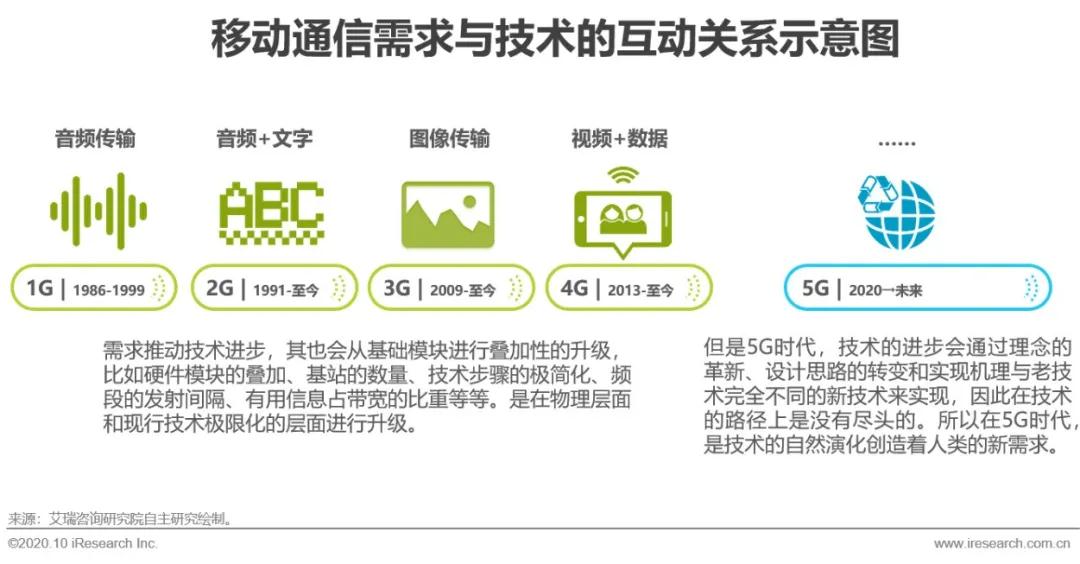
Greater business opportunities behind the economic outlook
لنک میڈیا اور سروس ٹرمینلز کی ملکیت میں تبدیلیوں نے کاروباری ماڈلز میں ایک انقلاب برپا کر دیا ہے۔
The most apparent change of 5G is the increase in communication speed, but when the communication speed increases to a certain level, users' needs and concerns will change. Demand changes like this have happened several times, and the user demand points that have been weakened in each round are precisely the flaws that technology has made up for in that round of revolution. For example: users are worried about the storage capacity of computers and mobile phones, users are worried about data transmission speed, etc. These demand points will become "usual" for users in the new technology era. In the 5G era, this shift in demand may occur at the following two levels: the replacement of link media and the separation of property rights and usage rights of smart devices.
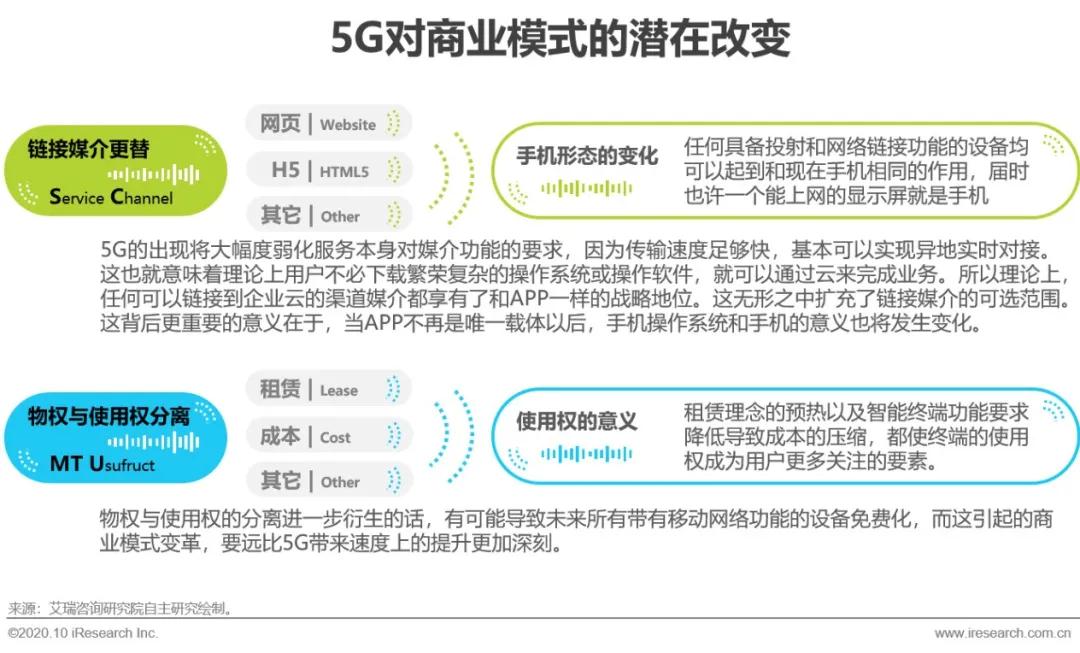
چین کی ڈیجیٹل معیشت کی کاروباری منطق کی ممکنہ بغاوت
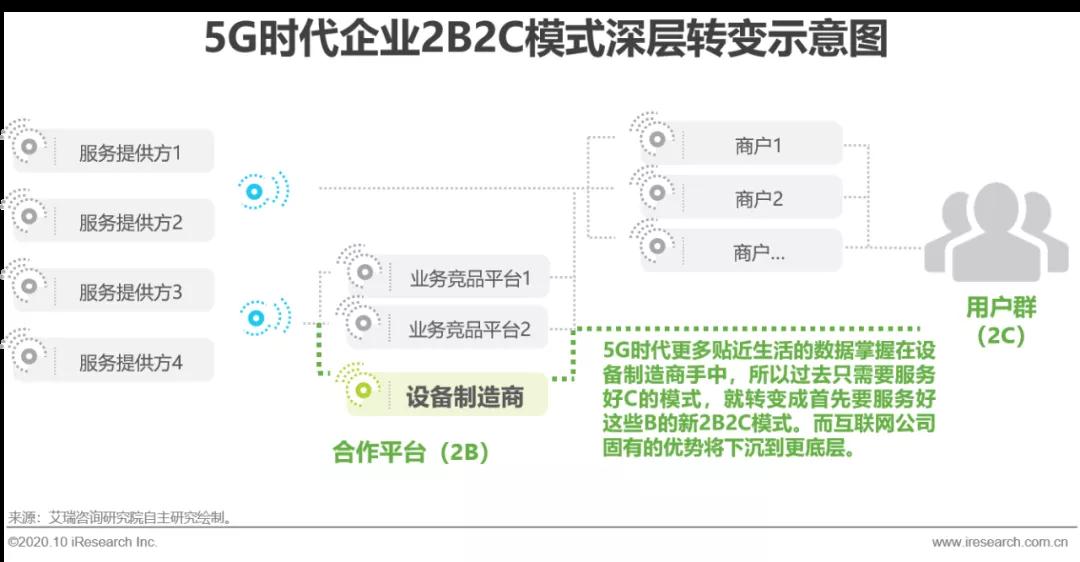
A profound transformation from the essential 2C model to the 2B2C model
To improve the 5G environment, the most obvious thing for existing Internet companies and entrepreneurs to do isاس مرحلے پر، ہم مستقبل کی سروس آؤٹ پٹ کے لیے اپنے چینلز کو بڑھانے کے لیے لنک ویلیو کے ساتھ تمام پلیٹ فارمز کے ساتھ تعاون کر رہے ہیں۔ اس کے علاوہ جو چیز زیادہ پوشیدہ اور اہم ہے وہ بزنس ماڈل کے انتخاب کا مسئلہ ہے۔
For current Internet companies, the 2B2C business model is not new. In all subdivided industries where giants exist, such as payment and cloud services, 2B2C has long been a business path that non-giant companies have both taken the initiative and been forced to choose. This seemingly ancient path may face deeper changes in the 5G era. There are currently two 2B2C models in theory. The main difference between these two models is the choice of B. One is more respected by the market. B is a merchant that directly faces the user's business scenario, and the other is a cooperation platform that holds traffic. To a certain extent, in order to ensure an excellent conversion rate, the second type of traffic B has a certain competitive relationship with the company itself. In the 5G era, the deep transformation of the 2B2C model is based on the transformation of the second type of traffic B.
2 The driving effect of 5G new infrastructure
5G نیا انفراسٹرکچر صنعتی ترقی کو آگے بڑھاتا ہے- نیٹ ورک پلاننگ اینڈ ڈیزائن انسٹی ٹیوٹ
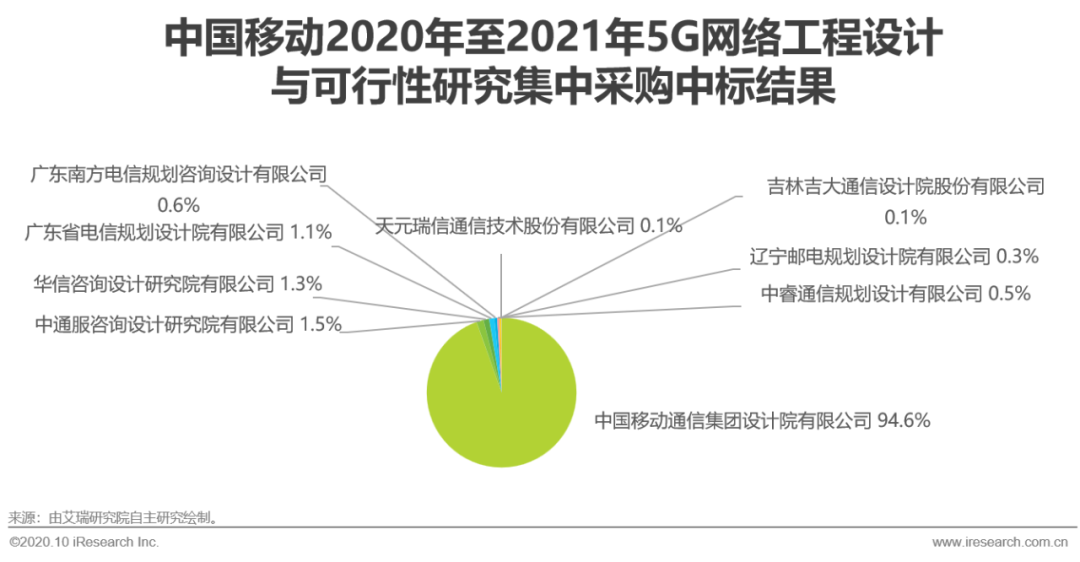
Operator design institutes have a high market share, while non-operator communication design institutes benefit little.
5G network planning is the planning of site and construction plans based on the characteristics of 5G technology, the use of frequency bands and the actual physical environment. It is the beginning of the 5G network life cycle and the first link to benefit from the 5G new infrastructure policy. At present, my country's communications planning enterprises can be roughly divided into four categories: operator design institutes, private design institutes, design institutes controlled by universities and state-owned enterprise design institutes. Among them, design institutes owned by operators have absolute advantages and high market shares, especially China Communications Services Co., Ltd., which is owned by China Telecom and is owned by China Mobile and China Unicom. The following mainly takes China Mobile's 5G network planning and centralized procurement as an example for analysis. In November 2019, China Mobile publicly released the centralized procurement of communications engineering design and feasibility studies from 2020 to 2021, of which the scale of the 5G network part is approximately 28 billion yuan. China Mobile's China Mobile Design Institute's bid-winning share is as high as 26.51 billion, accounting for 94.6%. China Telecom's China Communications Consulting, Huaxin, Guangdong Telecom, Guangdong Southern Telecom and Zhongrui Communications Design Institute have won a total of 1.41 billion bids, accounting for about 5%. The operator's design institutes' cumulative bid-winning share is about 99.6%. It can be seen that in 5G network planning, operator design institutes have an absolute advantage, while non-operator communication design institutes benefit little and are difficult to enjoy the dividends brought by 5G new infrastructure.
5G کا نیا انفراسٹرکچر صنعتی ترقی-آلات تیار کرنے والوں کو چلاتا ہے۔
بڑے پیمانے پر اور زیادہ مجموعی منافع کے ساتھ، جامع 5G آلات بنانے والے سب سے زیادہ فائدہ اٹھاتے ہیں۔
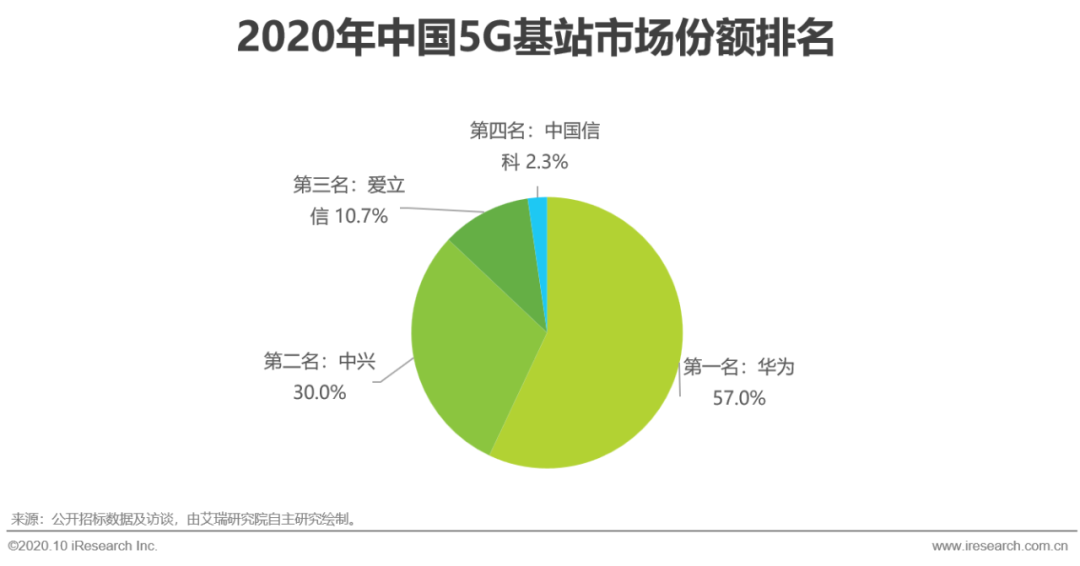
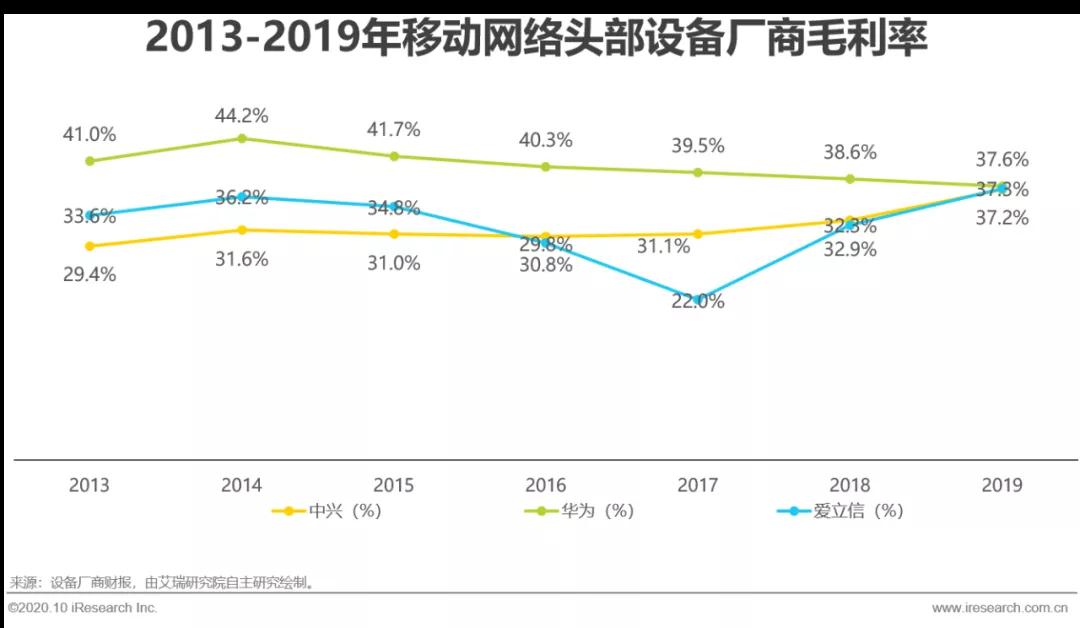
The 5G network consists of three parts: wireless access network, bearer network and core network. The corresponding network elements are base stations, transmission equipment and core network equipment. In 2020, the 5G equipment bidding scale of the three major domestic telecom operators is nearly 100 billion, of which the base station scale is the highest, with a total of approximately 69.8 billion. In 2020, China Mobile purchased 230,000 base stations, and China Telecom jointly purchased 250,000 base stations, bringing the total to more than 480,000 stations. Ranking according to the number of base stations, from high to low are Huawei, ZTE, Ericsson and China Information Technology, with shares of 57%, 30%, 10.7% and 2.3% respectively. Huawei and ZTE have a cumulative share of 87%. In addition to base stations, Huawei, ZTE and Ericsson also achieved the top three shares in core network procurement. Huawei and ZTE also achieved high shares in transmission equipment procurement. Judging from the main 4G network construction cycle, from 2013 to 2019, the overall gross profit margin of Huawei, ZTE and Ericsson was more than 30%, and the gross profit margin of their operator business was even higher than the company's overall gross profit margin. It can be seen that the scale of 5G equipment procurement is large and the gross profit is high. Comprehensive 5G equipment manufacturers such as ZTE, Huawei and Ericsson benefit the most.
5G نیا بنیادی ڈھانچہ صنعت کی ترقی کو چلاتا ہے-چھوٹے بیس اسٹیشن مینوفیکچررز
5G نیٹ ورک کی تعمیر چھوٹے بیس اسٹیشنوں کی مانگ کو جاری کرنے میں سست ہے، اور چھوٹے بیس اسٹیشن بنانے والے دیر سے فائدہ اٹھاتے ہیں۔
Compared with macro base stations, small base stations refer to wireless access points that are small in size, low in power, and flexible in installation. They are supplements to macro base stations and are mainly used in areas with weak macro base coverage, blind spots, and limited capacity. Compared with macro base stations, the threshold for small base stations is lower. In addition to the four macro base station manufacturers of Huawei, ZTE, Ericsson and Datang, a large number of small and medium-sized enterprises have also entered the field of small base stations. However, this field is still in the stage of full competition with low concentration and has not yet formed an oligopoly structure.
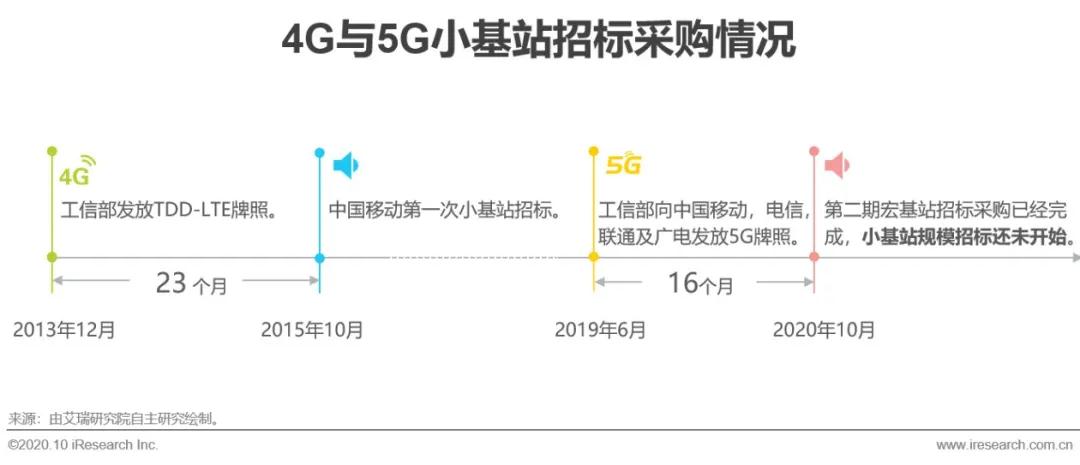
From a functional perspective, the main role of small base stations is to fill blind spots and heat. Therefore, in the early stages of 5G network construction, which mainly aims at rapid coverage, telecom operators have little demand for small base stations. Judging from the 4G bidding situation, in December 2013, the Ministry of Industry and Information Technology issued 4G licenses. In October 2015, China Mobile conducted its first centralized procurement of small base stations, with an interval of 23 months. Judging from the 5G bidding situation, in June 2019, the Ministry of Industry and Information Technology issued 5G licenses. In the second quarter of 2020, the three major operators have completed the second purchase of macro base stations. As of September 2020, the three major telecom operators have completed the construction of 690,000 macro base stations. However, so far, operators have still not started purchasing 5G small base stations. Compared with 4G, 5G's higher frequency band results in poorer indoor coverage of macro base stations, more sites, and more complex application scenarios. The advantages of small base stations will be more obvious, and the demand for small base stations in 5G network construction will come earlier. But overall, the demand for small base stations from 5G network construction is relatively slow, and small base station manufacturers benefit later.
5G نیا انفراسٹرکچر صنعتی ترقی کو چلاتا ہے- آپٹیکل ماڈیول مینوفیکچررز
5G کی تعمیر آپٹیکل ماڈیولز کی مانگ کو بڑھاتی ہے، اور آپٹیکل ماڈیول مینوفیکچررز جو ٹیلی کمیونیکیشن مارکیٹ پر توجہ مرکوز کرتے ہیں بہت زیادہ فائدہ اٹھاتے ہیں۔
اس وقت آپٹیکل فائبر ڈیٹا کی ترسیل کا بنیادی طریقہ بن چکا ہے۔ آپٹیکل ماڈیولز بنیادی طور پر آپٹیکل فائبر ٹرانسمیشن کے دوران آلات اور آپٹیکل ریشوں کے درمیان فوٹو الیکٹرک تبادلوں اور الیکٹرو آپٹیکل تبادلوں کے مسائل کو حل کرتے ہیں۔ آپٹیکل فائبر لنک کے لیے آپٹیکل ماڈیولز کے جوڑے کی ضرورت ہوتی ہے۔ ٹرانسمیٹنگ اینڈ آپٹیکل ماڈیول الیکٹرو آپٹیکل کنورژن کے لیے استعمال ہوتا ہے، اور وصول کرنے والا اینڈ آپٹیکل ماڈیول فوٹو الیکٹرک کنورژن کے لیے استعمال ہوتا ہے۔ ٹیلی کمیونیکیشنز مارکیٹ اور ڈیٹا کمیونیکیشن مارکیٹ آپٹیکل ماڈیولز کے اہم ایپلیکیشن منظرنامے ہیں۔ آپٹیکل ماڈیولز کے لیے مختلف ایپلیکیشن منظرناموں میں مختلف تقاضے ہوتے ہیں۔ 5G نیٹ ورک کی تعمیر میں، آپٹیکل ماڈیولز بنیادی طور پر BBU/DU سے AAU، مڈہول DU سے CU، اور CU سے کور نیٹ ورک تک بیک ہال میں استعمال ہوتے ہیں۔ نیٹ ورک آرکیٹیکچر اور فرنٹ ہال کا طریقہ کسی ایک اسٹیشن کے لیے درکار آپٹیکل ماڈیولز کی تعداد اور قسم کو متاثر کرے گا۔ موجودہ نیٹ ورک کی تعمیر میں، فرنٹ ہال کا ایک بڑا حصہ فائبر ڈائریکٹ کنکشن کا استعمال کرتا ہے، جس کے لیے 25G گرے آپٹیکل ماڈیولز کے تین جوڑوں کی ضرورت ہوتی ہے، جب کہ ایک چھوٹا تناسب ویو لینتھ ڈویژن ملٹی پلیکسنگ کا استعمال کرتا ہے، جس کے لیے 25G کلر آپٹیکل ماڈیولز کے تین جوڑوں کی ضرورت ہوتی ہے۔ فی الحال، موجودہ نیٹ ورک میں بی بی یو کو الگ نہیں کیا گیا ہے۔ اگر مستقبل میں CU اور DU کو الگ کر دیا جاتا ہے تو مڈہول کے لیے 25G آپٹیکل ماڈیولز کی ایک جوڑی کی ضرورت ہوگی۔
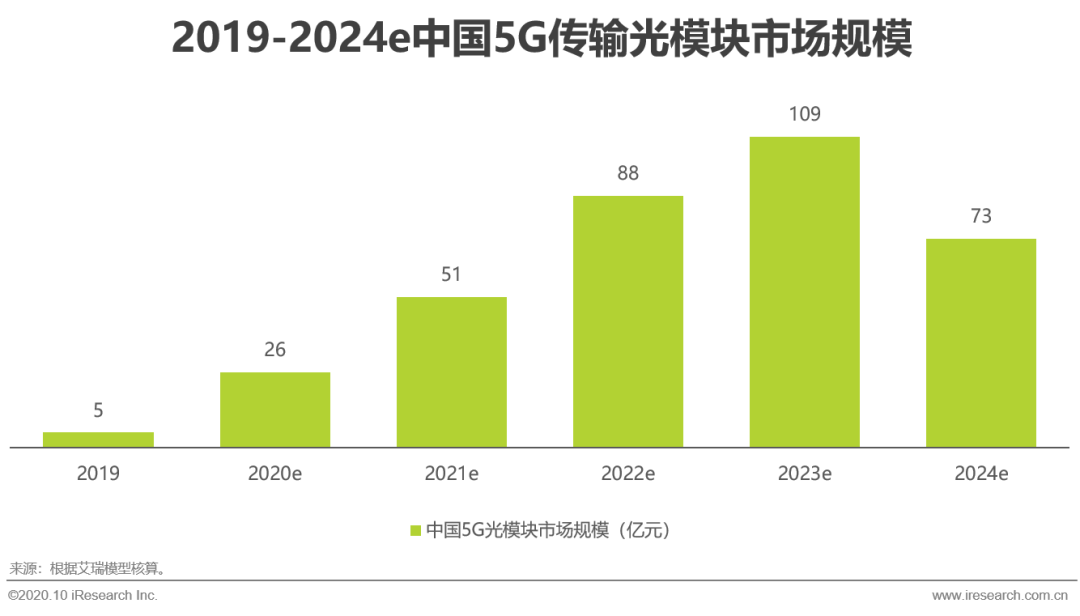
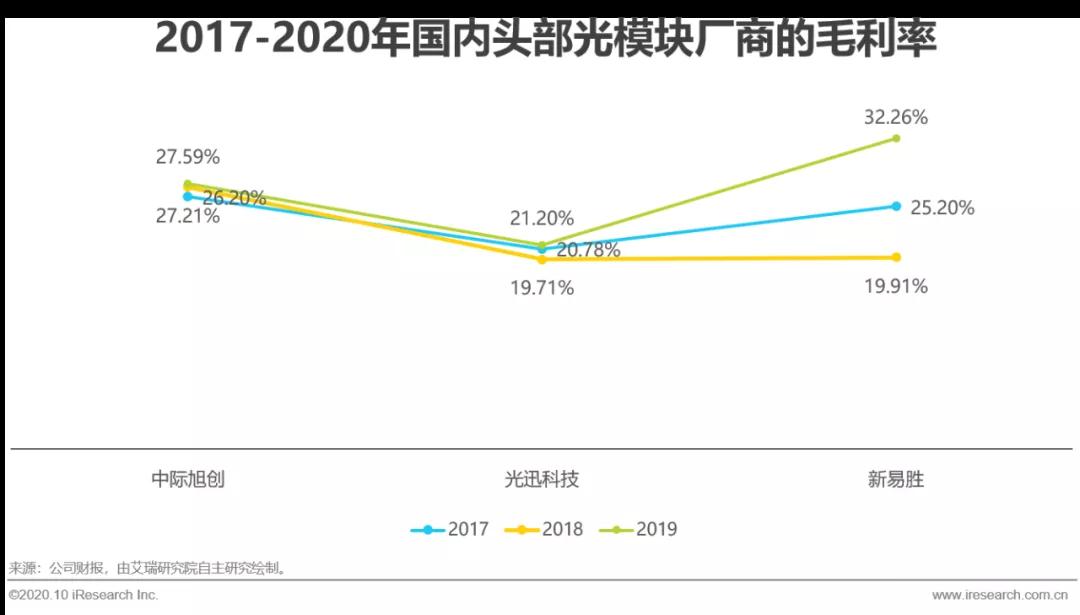
Calculated from the demand side, China's 5G network construction can drive an optical module market size of approximately 35.5 billion. Optical module manufacturers focus on different markets, produce different products, and serve different customers. However, whether it is an optical module manufacturer focusing on the telecommunications market or the data communication market, it can achieve a gross profit of 20% to 30%. Overall, 5G network construction has high demand for optical modules, and optical module manufacturers focusing on the telecommunications market will benefit greatly.
5G new infrastructure drives industrial development-engineering construction companies
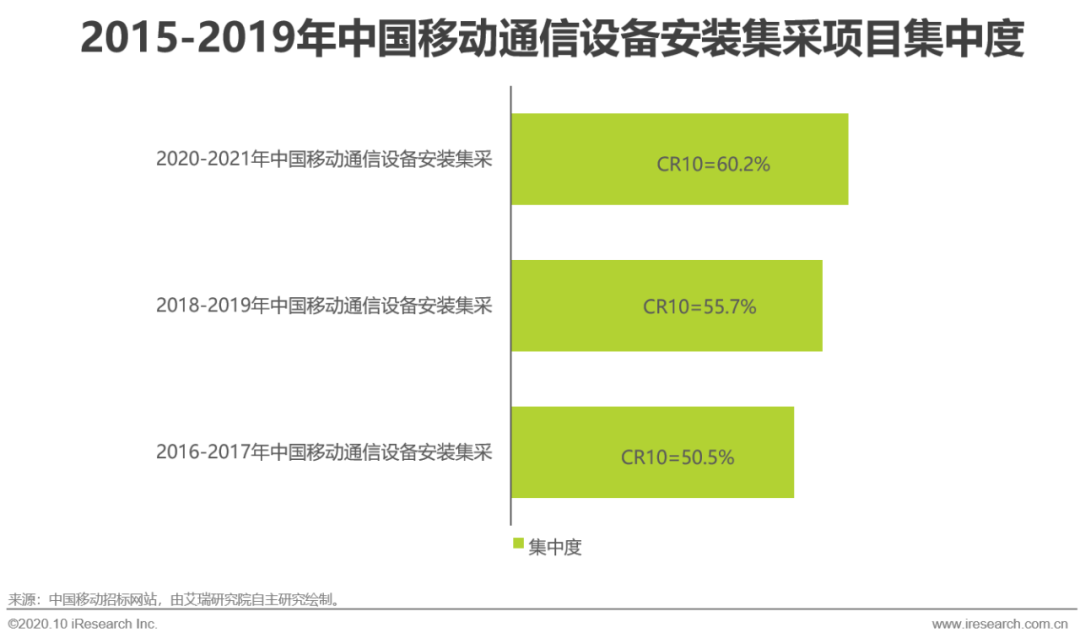
حد زیادہ ہے، ارتکاز زیادہ ہے، چھوٹے کاروباری اداروں کی قابلیت ناقص ہے، اور "پرانے" کاروباری اداروں کے بڑے فائدے ہیں۔
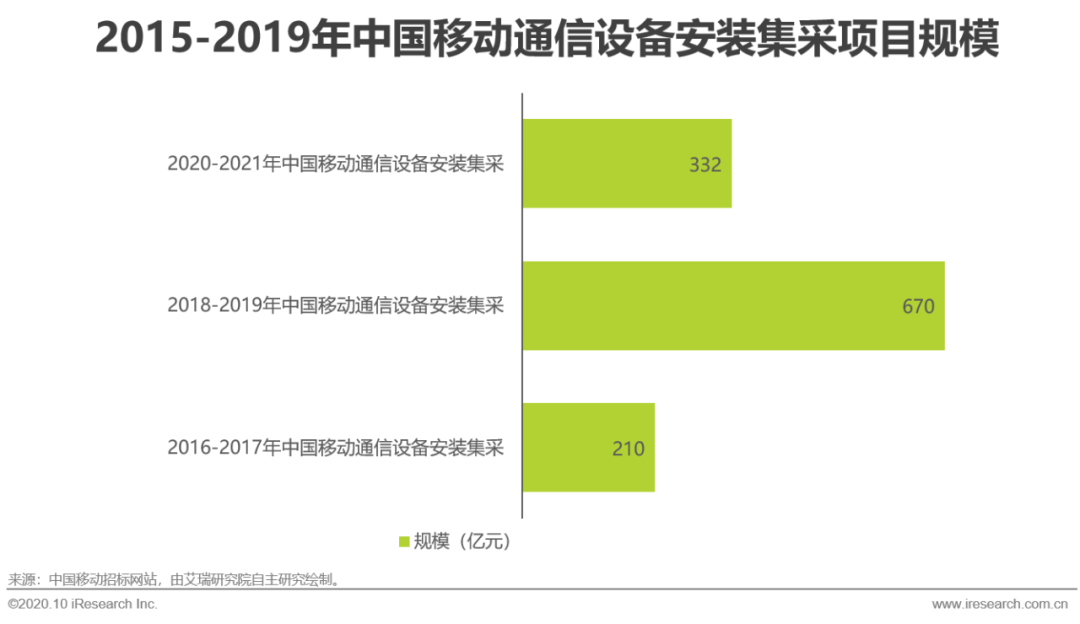
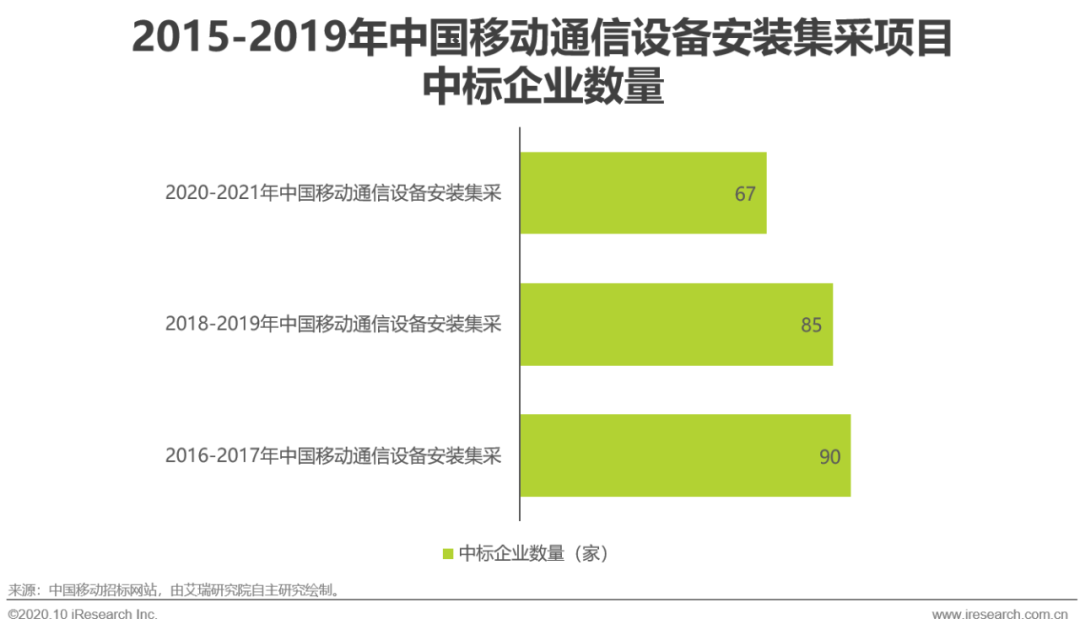
5G نیٹ ورک کی تعمیر سے مراد ڈیزائن انسٹی ٹیوٹ کی پلاننگ رپورٹ کی بنیاد پر انجینئرنگ کنسٹرکشن انٹرپرائزز کے ذریعے نیٹ ورک کی تعمیر، اور منصوبہ بند آلات کے مقامات، اینٹینا کے زاویوں اور وائرنگ کی وضاحتوں کے مطابق سختی سے تعمیر کرنا ہے۔ یہ 5G نیٹ ورک لائف سائیکل کا دوسرا مرحلہ ہے۔ کمیونیکیشن انجینئرنگ کی تعمیر کے لیے جنرل کنٹریکٹ کی اہلیت اس صنعت میں داخل ہونے کے لیے ایک لازمی اہلیت ہے، اور جتنی اعلیٰ اہلیت ہوگی، اتنے ہی بڑے پیمانے پر پروجیکٹ شروع کیے جا سکتے ہیں۔ اس وقت، میرے ملک میں تقریباً 4,000 کمپنیاں ہیں جن کے پاس کمیونیکیشن انجینئرنگ کی تعمیر کے لیے عمومی کنٹریکٹ کی اہلیت ہے۔ ان میں، 290 سے زیادہ کمپنیاں ہیں جو بڑے پیمانے پر منصوبے شروع کر سکتی ہیں جیسے آلات کی تنصیب، یعنی مواصلاتی انجینئرنگ کی تعمیر کے عمومی معاہدے کے لیے پہلی سطح کی اہلیت کے ساتھ۔ صنعت میں مقابلہ سخت ہے۔
3 5G نئے انفراسٹرکچر کو تیز کرنے کے لیے متعدد فریق مل کر کام کرتے ہیں۔
5G ٹیکنالوجی کی ترقی
آلات کے مینوفیکچررز اور آپریٹرز کو 5G ٹیکنالوجی کی مسلسل ترقی کو فروغ دینے کے لیے تحقیق اور ترقی میں سرمایہ کاری میں اضافہ جاری رکھنا چاہیے۔
جیسا کہ پہلے ذکر کیا گیا ہے، 5G کی ترقی ایک طویل مدتی عمل ہے، اور معیاری فارمولیشن، پروڈکٹائزیشن، اور نیٹ ورک کی تعیناتی کی ترقی نئے انفراسٹرکچر کی رفتار کو متاثر کرے گی۔ 5G "وژن" کو بہتر طور پر سمجھنے کے لیے 5G معیارات مسلسل تیار ہو رہے ہیں۔ R15 معیار بنیادی طور پر eMBB اور بنیادی uRLLC ایپلی کیشنز کے لیے ہے، جو 5G کے بنیادی افعال کو پورا کرتا ہے، اور اسے جون 2019 میں منجمد کر دیا گیا تھا۔ R16 معیار R15 معیار پر مبنی ہے۔ ایک طرف، یہ R15 میں فنکشنز کو بڑھاتا ہے جیسے MIMO اور ڈوئل کنیکٹیویٹی۔ دوسری طرف، یہ بنیادی طور پر عمودی صنعت کی ایپلی کیشنز کے لیے نئے افعال کو بڑھاتا ہے۔ اس سال جون میں اسے منجمد کر دیا گیا تھا۔ R17 کا معیار R16 پر مبنی ہے، اور ابھی بھی موجودہ فنکشنز کو بڑھانے اور نئے فنکشنز کی توسیع کے خیال کے مطابق مطالعہ کیا جا رہا ہے، اور اسے ستمبر 2021 میں مکمل کرنے کا منصوبہ ہے۔ 3GPP کے بڑے ممبروں کے طور پر، بڑے آلات بنانے والوں اور آپریٹرز کو R&D میں مسلسل سرمایہ کاری کو یقینی بنانے کی ضرورت ہے تاکہ یہ یقینی بنایا جا سکے کہ R17 اور ذیلی منصوبہ بندی کے معیار کے مطابق ہیں۔ تکنیکی خصوصیات کو تجارتی مصنوعات میں تبدیل کرنے میں تقریباً ایک سال لگتا ہے۔ R16 کو ابھی ابھی منجمد کیا گیا ہے، اور آلات بنانے والوں کو R16 کی نئی خصوصیات کو جلد از جلد حاصل کرنے کے لیے تحقیق اور ترقی میں سرمایہ کاری بڑھانے کی ضرورت ہے۔ موجودہ نیٹ ورک کی تعیناتی بنیادی طور پر R15 معیار پر مبنی ہے۔ ایک طرف، آپریٹرز کو R16 کی نئی خصوصیات کے تعارف کو فعال طور پر فروغ دینا چاہیے۔ دوسری طرف، انہیں عمودی صنعتوں کی خدمت کے لیے نیٹ ورک سلائسنگ اور ایج کمپیوٹنگ سلوشنز کی پختگی کو فروغ دینے کے لیے سرمایہ کاری بڑھانے کی ضرورت ہے۔
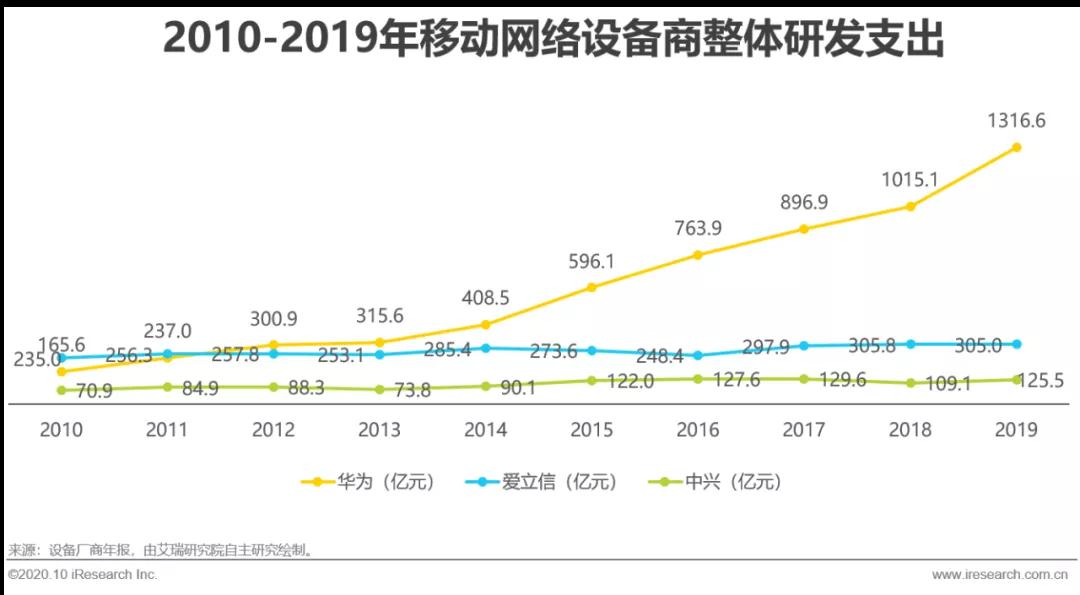
زیادہ بالغ ٹیکنالوجی کو فروغ دینا موبائل نیٹ ورک کی ترقی کا بنیادی کام ہے۔ آپریٹرز اور آلات بنانے والوں کی مسلسل R&D سرمایہ کاری موبائل نیٹ ورک ٹیکنالوجی کے مسلسل ارتقا کی ضمانت ہے۔ 2G/3G/4G کے مقابلے میں، 5G پہلی بار لوگوں اور چیزوں پر مرکوز مواصلات تک انسانی مرکوز مواصلات کو بڑھاتا ہے۔ 5G کی ہر چیز کو جوڑنے کی صلاحیت صنعت کی ترقی کے لیے لامحدود تخیل لاتی ہے۔ 5G کے لیے ممالک کی اعلیٰ توقعات اس کے پختہ ہونے سے پہلے اس کے تجارتی استعمال کا باعث بنی ہیں۔ اگرچہ میرے ملک نے بڑے پیمانے پر بیس اسٹیشنوں کی تعیناتی شروع کر دی ہے، لیکن یہ بنیادی طور پر R15 تعیناتی پر مبنی ہے، جو eMBB کی درخواست کو پورا کر سکتی ہے۔ 5G انفراسٹرکچر کی تعمیر کو تیز کرنے کے لیے، بیس اسٹیشن کی تعمیر کو تیز کرنے کے علاوہ، اعلیٰ معیار کے 5G نیٹ ورکس کی تعمیر اور انڈسٹری ایپلی کیشنز کی ترقی کو بااختیار بنانے کے لیے 5G ٹیکنالوجی کی ترقی کو تیز کرنا بھی ضروری ہے۔ پچھلے دس سالوں میں موبائل نیٹ ورک کے مین ایکویپمنٹ مینوفیکچررز کے مجموعی R&D اخراجات کا جائزہ لیتے ہوئے، R&D کے مجموعی اخراجات میں اضافے کا رجحان دکھایا گیا ہے، لیکن Ericsson اور ZTE پچھلے دو سالوں میں مستحکم رہے ہیں۔ فی الحال، 5G انڈسٹری ایپلی کیشنز ابھی ترقی کے ابتدائی مراحل میں ہیں اور معیارات، مصنوعات اور حل کی مسلسل ترقی کی ضرورت ہے۔ لہذا، سازوسامان کے مینوفیکچررز اور آپریٹرز کو 5G ٹیکنالوجی کی مسلسل ترقی کو فروغ دینے کے لیے تحقیق اور ترقی میں سرمایہ کاری میں اضافہ جاری رکھنا چاہیے۔
5G network cost
User-oriented, precise deployment and maintenance optimization in stages to improve base station utilization
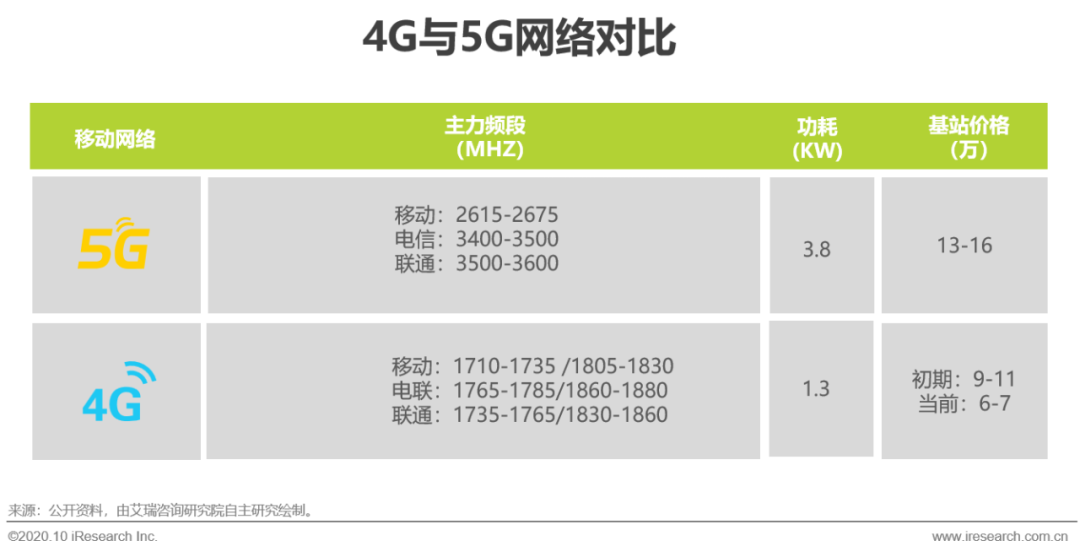
Compared with 4G, 5G network costs are higher, reflected in high construction costs and high operating costs. The high construction cost is mainly caused by the large number of sites to be built and the high price of a single base station. The high operating costs are mainly caused by the large number of base stations and high energy consumption of a single station. Continuously reducing 5G network costs has become the top priority for the entire 5G industry chain. In terms of network construction, China Telecommunications Union adopts a co-construction and sharing approach, and China Mobile is actively seeking cooperation with China Radio and Television to achieve the purpose of reducing costs. In terms of operating costs, the government actively coordinates to reduce electricity prices, equipment manufacturers reduce base station power consumption from a hardware perspective, towers actively promote power supply conversion to direct power supply, and operators intelligently shut down 5GAAU channels.
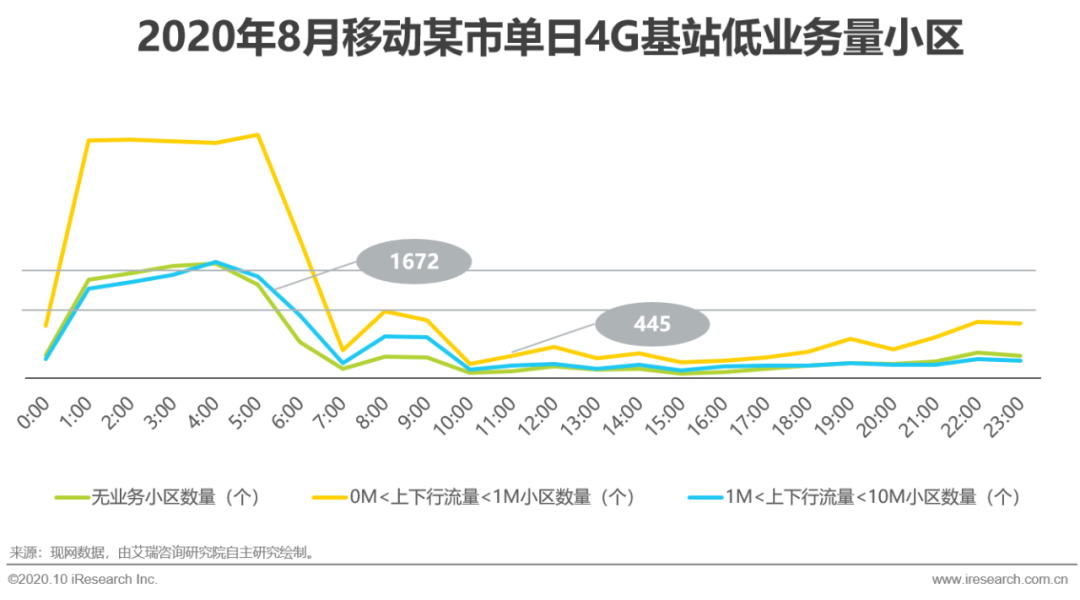
4G نیٹ ورکس کے آپریشن کو دیکھتے ہوئے، لاگت میں کمی کے اوپر بیان کردہ اقدامات پر عمل پیرا رہنے کے علاوہ، آپریٹرز کو لاگت کو کم کرنے اور سرمایہ کاری کے فوائد کو بہتر بنانے کے لیے 5G بیس اسٹیشنوں کے استعمال کی شرح کو بھی بہتر بنانے کی ضرورت ہے۔ مثال کے طور پر اگست 2020 میں ایک ہی دن کسی خاص شہر میں چائنا موبائل کے بیس اسٹیشن کے آپریشن کو لیں۔ ایسے سیلز ہیں جن میں دن میں 24 گھنٹے کوئی کاروبار نہیں ہوتا ہے، اور دن کے دوران 1M سے کم اپ لنک اور ڈاؤن لنک ٹریفک والے سیلز کی تعداد 200 اور 1,000 کے درمیان ہے۔ یہ فرض کرتے ہوئے کہ یہ صورت حال شہر کے مستقبل کے 5G نیٹ ورکس میں بھی پیش آئے گی، ایک سادہ حساب 2.3KW کے 5G بیس اسٹیشن کے بغیر لوڈ ہونے والی پاور اور 1.3 یوآن/kWh کی پاور ٹرانسفر پر مبنی ہے۔ ایک بغیر لوڈ اسٹیشن کے ایک گھنٹے کا بجلی کا بل تقریباً 3 یوآن ہے۔ پھر جس کمیونٹی کا شہر میں کوئی کاروبار نہیں ایک دن کے لیے بجلی کا بل تقریباً 11,000 یوآن ہے، اور 1M سے کم آبادی کے لیے بجلی کا بل تقریباً 28,000 یوآن ہے۔
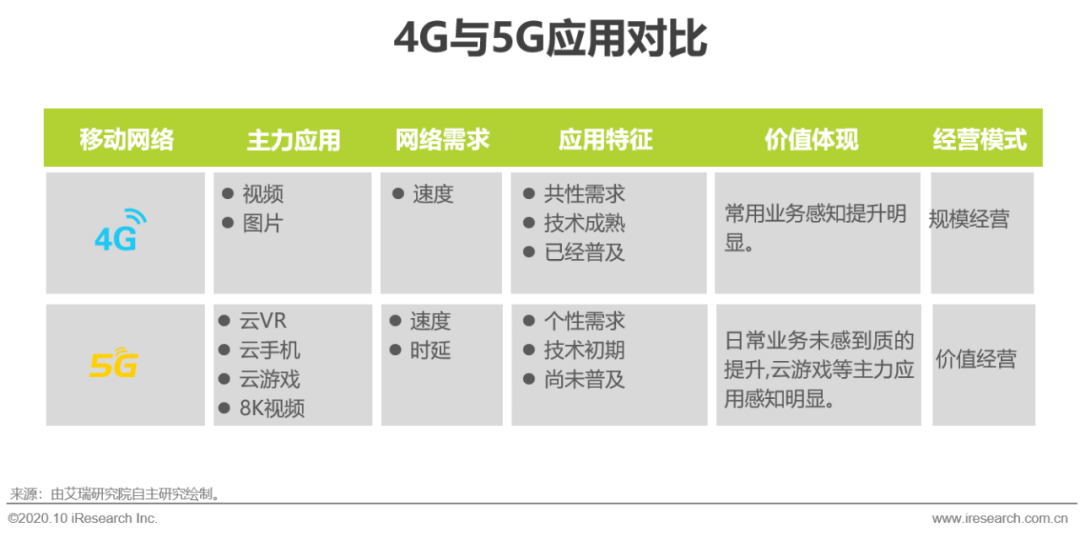
Under the collaborative networking of 4G and 5G, 4G can meet the daily business needs of C-end users. The current value of 5G is reflected in applications such as 8K video, cloud VR, and cloud games. In addition to users who are willing to "try new things" and are not price-sensitive, fans of cloud games, cloud VR and 8K high-definition videos who are more aware of the value of 5G are more willing to switch to 5G packages. In the planning stage, planning principles should be further refined, mobile users' willingness to upgrade to 5G should be fully considered, and accurate deployment should be carried out in stages to avoid long-term low business of 5G base stations. In the maintenance and optimization stage, indicators such as coverage, connection rate, and call drop rate should not be used as assessment criteria. User complaints should no longer be used as the only link between the network department and users. A real-time feedback channel between the two should be established to fully consider user opinions. Overall, in addition to continuing to take measures to reduce costs, operators also need to be user-oriented, carry out precise deployment and maintenance optimization in stages, and improve base station utilization.
5G نیٹ ورک ایپلیکیشن-سی اینڈ ایپلی کیشن
Operators should adopt value management, accelerate multi-dimensional billing, and cooperate with applications to promote
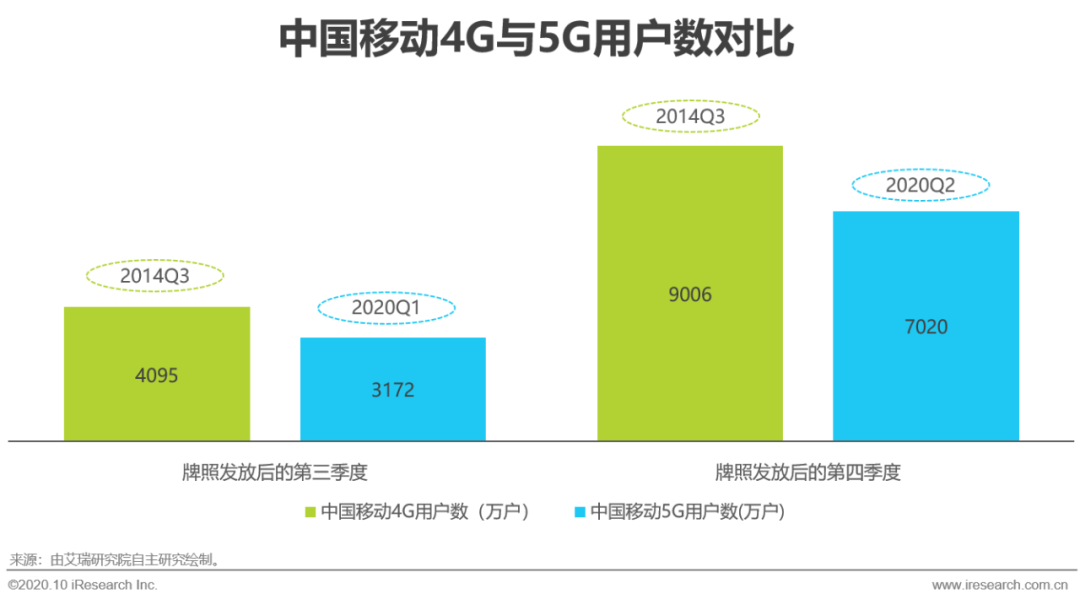
Application is the continuous driving force for the development of 5G new infrastructure. Compared with 4G, the development speed of 5G users is slower. Taking the analysis of China Mobile, which is in the leading position in both 4G and 5G users, in the fourth quarter after the issuance of 5G licenses, the number of 5G users reached 70.2 million, but in the fourth quarter after the issuance of 4G licenses, the number of 4G users reached 90.06 million. As far as mobile video is concerned, the 3G era has begun to develop. It is a basic and common demand, but the 3G network performance cannot support its good experience. The faster speed of 4G network can bring a clearer and smoother video experience. User perception has been significantly improved, and there is a strong willingness to upgrade to 4G. Therefore, the operators formulated packages of different levels based on traffic volume, classified high-end, middle-end and low-end users based on current phone charges, and promoted the packages from high to low, achieving good results.
تاہم، کلاؤڈ موبائل فونز، کلاؤڈ گیمز، کلاؤڈ VR اور 8K ہائی ڈیفینیشن ویڈیو ترقی کے ابتدائی مراحل میں ہیں، اور ٹیکنالوجی کو مزید پختہ کرنے کی ضرورت ہے۔ فی الحال، ان سب کی مشترکہ ضروریات نہیں ہیں۔ مزید یہ کہ، ہر ایپلیکیشن کے نیٹ ورک کی کارکردگی کے مختلف تقاضے ہوتے ہیں۔ ایک عوامی نیٹ ورک ہر درخواست کے حتمی تجربے کو پورا نہیں کر سکتا۔ مختلف پرفارمنس کے ساتھ ورچوئل نیٹ ورکس بنانے کے لیے نیٹ ورک سلائسنگ کی ضرورت ہوتی ہے۔ لہذا، 5G نیٹ ورکس کو زیادہ لچکدار قیمتوں کے تعین کے طریقوں کی ضرورت ہوتی ہے۔ اگرچہ آپریٹرز نے "کثیر جہتی" قیمتوں کا تعین تجویز کیا ہے، لیکن وہ اب بھی وسط سے اعلیٰ درجے کے صارفین کے درمیان کامیابیاں حاصل کرنے کے لیے 4G پیمانے کے آپریشنز کا استعمال کرتے ہیں۔ زیادہ تر صارفین کے لیے، 4G ان کے روزمرہ کے کاروباری تجربے کو پورا کر سکتا ہے، جب کہ 5G موجودہ سروسز میں کوالٹیٹی بہتری نہیں لا سکتا، اور پیکیج کی قیمتیں زیادہ ہیں، جس کی وجہ سے وہ 5G میں اپ گریڈ کرنے کے لیے تیار نہیں ہیں۔ آپریٹرز کو ویلیو مینجمنٹ کو اپنانا چاہیے، کثیر جہتی بلنگ کے نفاذ کو تیز کرنا چاہیے، فریق ثالث کے پلیٹ فارمز کے ساتھ تعاون کرنا چاہیے، اور اسے درست طریقے سے صارفین تک پہنچانا چاہیے جو 5G کی قدر کو بہتر طور پر جان سکتے ہیں۔ مثال کے طور پر، آپریٹرز کلاؤڈ VR گیم پلیٹ فارم پر ٹیلی کام پیکجز کی تجویز کرنے کے لیے کلاؤڈ گیمز اور کلاؤڈ VR پلیٹ فارمز کے ساتھ تعاون کر سکتے ہیں جو گیم کے لیے زیادہ موزوں ہیں۔
5G نیٹ ورک ایپلیکیشن-B-end ایپلیکیشن
Industry applications will be implemented in stages to accelerate ICT integration and promote early application scale promotion.
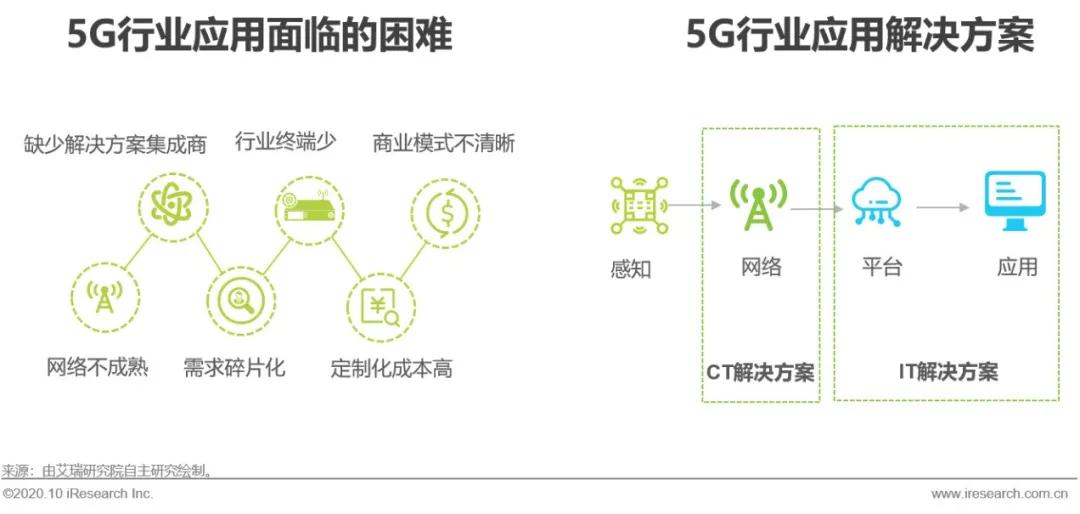
پہلی بار، صنعت کی ایپلی کیشنز وائرلیس سیلولر نیٹ ورک سروسز کے لیے ایک کلیدی ایپلیکیشن کا منظر نامہ بن گیا ہے، اور یہ کمیونیکیشن آپریٹرز کی آمدنی میں مسلسل اضافے کا محرک بھی بن جائے گا۔ پچھلے دو سالوں میں، آپریٹرز اور آلات کے مینوفیکچررز نے فعال طور پر 5G کو انڈسٹری کے ساتھ مربوط کرنے اور انڈسٹری ایپلی کیشنز میں 5G کی قدر کو محسوس کرنے کی کوشش کی ہے۔ تاہم، انڈسٹری ایپلی کیشنز کا تنوع اور پیچیدگی اس بات کا تعین کرتی ہے کہ 5G اور انڈسٹری کا انضمام ایک طویل عمل ہے۔ کچھ ایپلیکیشن کے منظرناموں میں نیٹ ورکس کے علاوہ تکنیکی رکاوٹیں ہیں، جو یہ بھی طے کرتی ہیں کہ 5G انڈسٹری ایپلی کیشنز کو مراحل میں لاگو کرنے کی ضرورت ہے۔ 5G انڈسٹری ایپلی کیشنز کی ترقی میں نادان نیٹ ورکس، حل انٹیگریٹرز کی کمی، بکھری مانگ، زیادہ حسب ضرورت لاگت، چند انڈسٹری ٹرمینلز، اور غیر واضح کاروباری ماڈلز جیسے مسائل ہیں۔ تمام جماعتوں کی طرف سے مسلسل کوششوں کی ضرورت ہے۔ فی الحال، سمارٹ میڈیکل کیئر، سمارٹ فیکٹریاں، سمارٹ انرجی، اور گاڑیوں کا انٹرنیٹ جیسے ایپلی کیشن کے منظرناموں کے لیے 5G پر مرکوز حل بنیادی طور پر IT سلوشنز اور CT سلوشنز پر مشتمل ہیں۔ 5G CT سلوشنز کا ایک بڑا جزو ہے۔ آئی ٹی سلوشنز کو ایپلیکیشن کے منظرناموں کی مکمل سمجھ کی ضرورت ہوتی ہے اور یہ 5G اور انڈسٹری ایپلی کیشنز کے انضمام کے لیے ایک ایکسلریٹر ہیں۔ مجموعی طور پر، 5G انڈسٹری ایپلی کیشنز کو ٹیکنالوجی کی پختگی کے مطابق مراحل میں لاگو کرنے کی ضرورت ہے۔ ابتدائی ایپلی کیشنز جو پہلے سے تجارتی طور پر دستیاب ہیں ان کو اپنے بڑے پیمانے پر فروغ دینے کے لیے IT سلوشنز اور CT سلوشنز کے انضمام کو تیز کرنے کی ضرورت ہے۔
Operators use private networks to provide customized networks and services
آپریٹرز کو 5G ورچوئل پرائیویٹ نیٹ ورکس کی پختگی کو تیز کرنے اور 5G انڈسٹری ایپلی کیشنز کی ترقی کو فروغ دینے کی ضرورت ہے۔
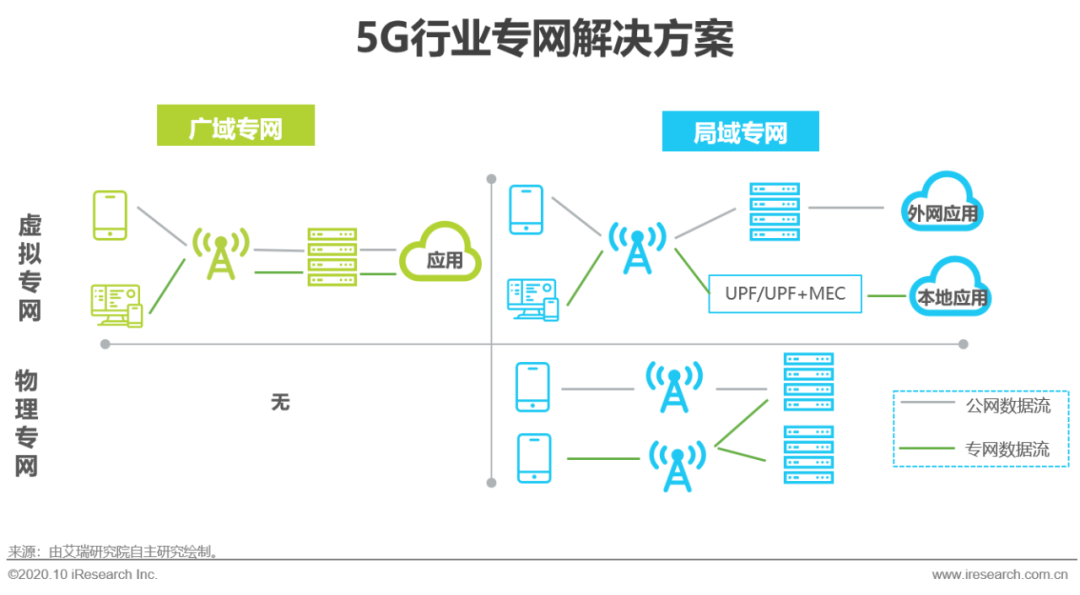
Operators want to use 5G industry private networks to provide users with customized networks and services. From the perspective of resource isolation, industry private networks are divided into virtual private networks and physical private networks. Virtual private networks are mainly implemented through network slicing and core network sinking. Physical private networks are implemented using dedicated frequency bands and dedicated base stations, independent or shared core networks. According to the scope of network services, industry private networks can be divided into wide area private networks and local area private networks. The wide area private network is a slicing service based on the operator's end-to-end public network resources. It is mainly targeted at application scenarios with dispersed business and wide coverage, including transportation, electric power, Internet of Vehicles, and very large enterprises operating across domains. The local area private network includes two solutions: local virtual private network and local physical private network. It is suitable for businesses limited to specific geographical areas. Based on the 5G network in the specific area, the business is closed-loop to ensure that the core business of the industry does not leave the park. The main application scenarios include park/factory-type enterprises such as manufacturing, steel, petrochemicals, ports, education, and medical care.
فی الحال، نیٹ ورک سلائسنگ ٹیکنالوجی ابھی پختہ نہیں ہوئی ہے، اور ورچوئل پرائیویٹ نیٹ ورکس کو تجارتی طور پر دستیاب ہونے میں کچھ وقت لگے گا۔ اگرچہ مقامی ایریا فزیکل پرائیویٹ نیٹ ورک کی کارکردگی اچھی ہے، لیکن قیمت زیادہ ہے۔ مجموعی طور پر، 5G انڈسٹری میں نجی نیٹ ورکس کی ترقی میں وقت لگے گا۔ آپریٹرز کو 5G ورچوئل پرائیویٹ نیٹ ورکس کی پختگی کو تیز کرنے اور 5G انڈسٹری ایپلی کیشنز کی ترقی کو فروغ دینے کی ضرورت ہے۔
4 Analysis of important sectors of 5G new infrastructure
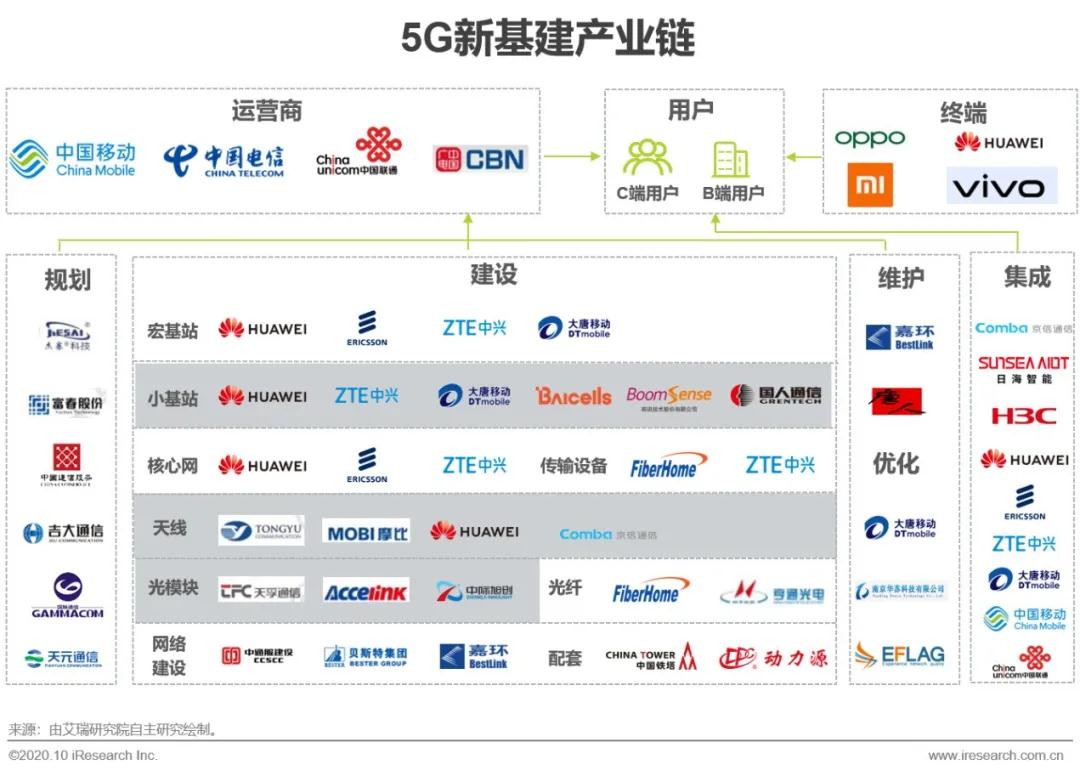
5G نئی انفراسٹرکچر انڈسٹری چین
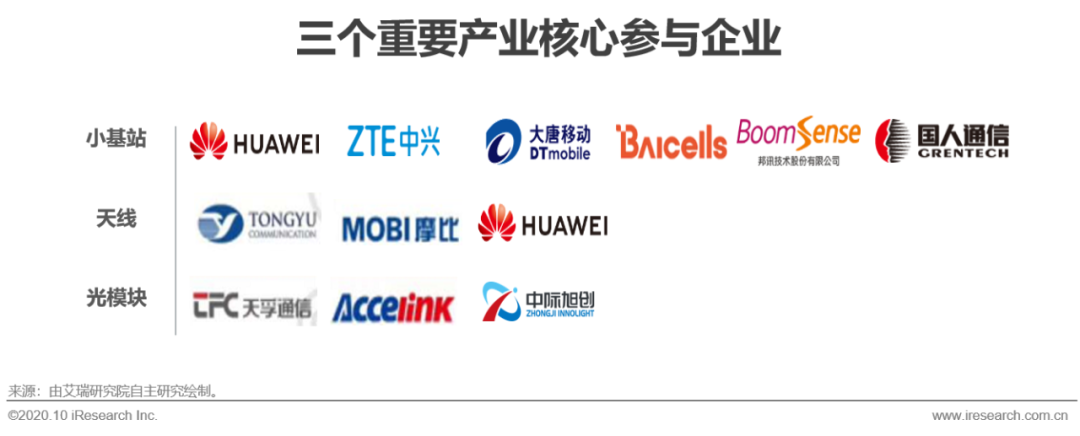
In addition to the main equipment, supporting equipment such as micro stations, antennas and optical modules are worthy of attention.
Optical modules are the basic building blocks of 5G networks
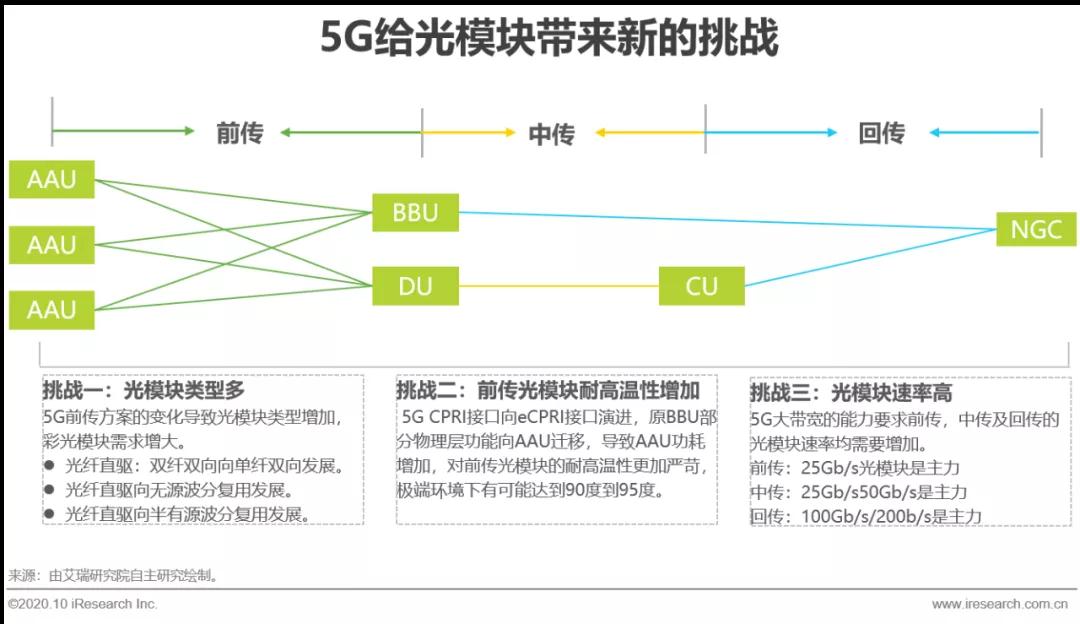
5G brings new challenges to the optical module industry, and domestic optical module manufacturers develop upstream chips
Optical modules are the basic building blocks of 5G network physical layer equipment and are used in wireless and transmission equipment. Compared with 4G, the large bandwidth of 5G requires higher speeds for optical modules. Various fronthaul solutions require different types of optical module support. The evolution from CPRI to eCPRI places more stringent requirements on the high-temperature resistance of fronthaul optical modules, bringing new challenges to the optical module industry. Although domestic optical module manufacturers have squeezed into the first echelon of the global optical module market, domestic development in the core chip link of optical modules is weak and they mainly rely on imports, especially high-speed optical modules for 5G network construction. At present, domestic optical module manufacturers such as Optoelectronics and HiSilicon have begun to develop upstream chips for optical modules, but there is still a large gap between their overall capabilities and foreign countries. In the context of domestic substitution, it is believed that the number of domestic optical module manufacturers developing upstream chips will gradually increase.
چھوٹے بیس اسٹیشن 5G نیٹ ورکس کا ایک اہم جزو بن جائیں گے۔
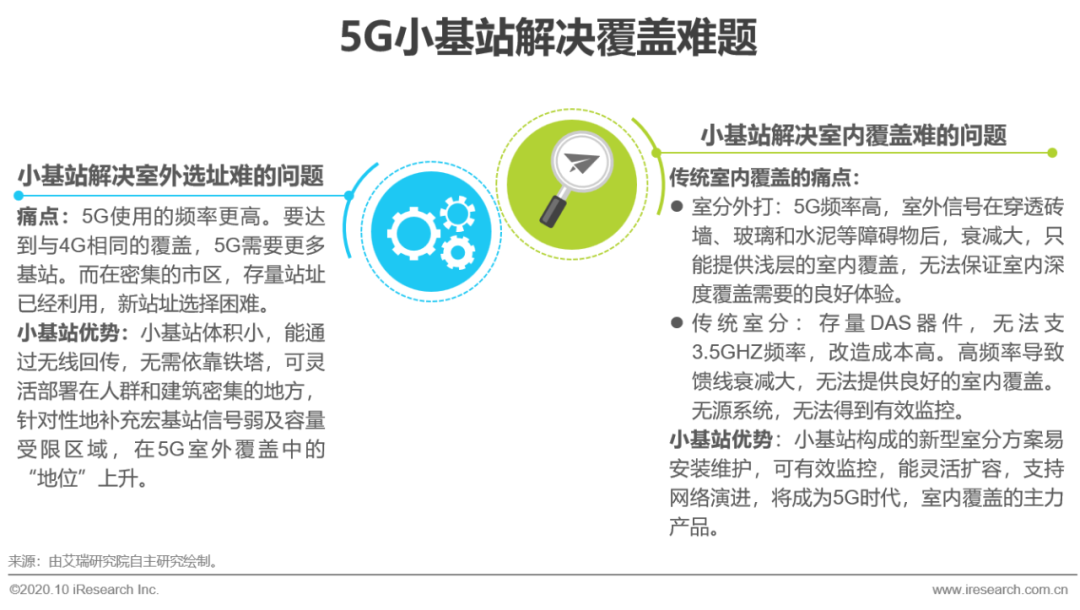
5G چھوٹے بیس اسٹیشنوں کی "اسٹیٹس" کو بہتر بنایا گیا ہے۔ مصنوعات کی پختگی کو تیز کرنا اور آنے والے مواقع کا انتظار کرنا ضروری ہے۔
The main coverage frequency band of 4G is 1.8GHZ-2.3GHZ, while the main coverage frequency band of 5G is 2.6GHZ-3.5GHZ. While the high frequency of 5G leads to an increase in the number of base stations, it also makes indoor coverage more difficult. Small base stations are small in size and flexible in deployment, which can solve the pain points of outdoor site selection and indoor coverage, and will become an indispensable component in 5G network construction. In order to meet the needs of various 5G application scenarios, the network architecture of 5G small base stations is simpler, performance indicators such as the number of cells, power consumption and number of users have been greatly improved, and it also supports cloud deployment and becomes more open. Currently, 5G networks are in the stage of large-scale construction to achieve basic coverage. Taking advantage of this period, small base station manufacturers need to accelerate the maturity of their products and wait for the arrival of deep coverage requirements.
The antenna is the entrance and exit of the 5G network
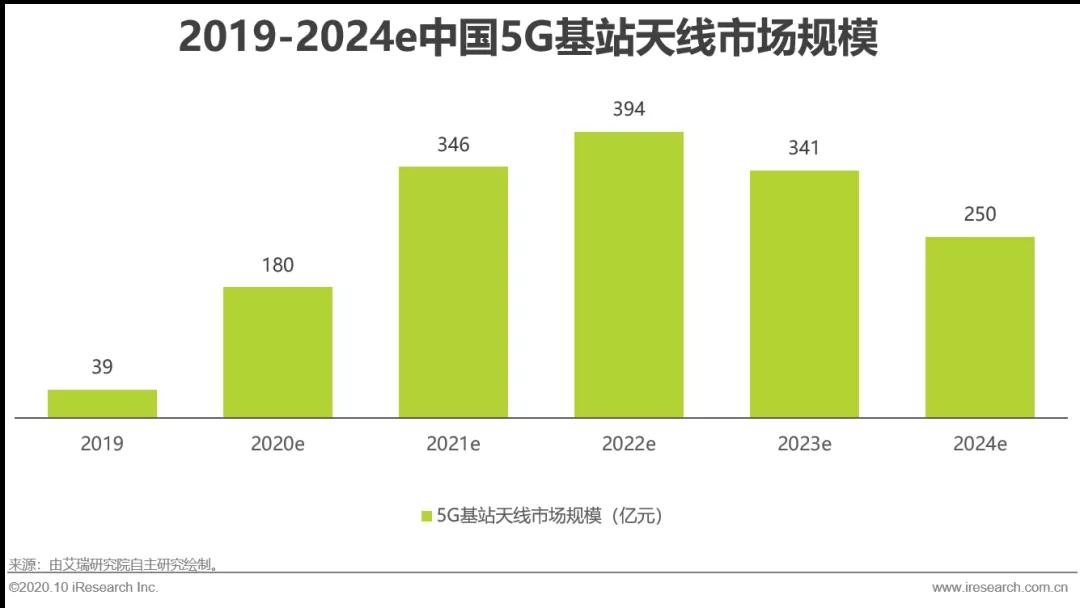
5G antennas and radio frequencies are tightly coupled, increasing dependence on base station equipment manufacturers
According to coverage application scenarios, mobile cellular network antennas are divided into base station antennas and indoor distributed antennas. The former is used for outdoor coverage, and the latter is used for indoor coverage. The use of MassiveMIMO technology has had a greater impact on 5G antennas. From the perspective of outdoor coverage, the base station antenna has evolved from 4G’s 8T8R to 5G’s 64T64R. In order to solve the connection problem between radio frequency and antenna, RRU and antenna are merged, and 5G changes from the original three-level architecture of BBU+RRU+antenna to the two-level architecture of BBU+AAU. From the perspective of indoor coverage, the new indoor distribution system will replace the traditional DAS indoor distribution system and become the main solution. The antenna form has also evolved from the original single-channel passive antenna to the radio frequency unit pRRU with built-in antenna. Although there are currently loose coupling solutions in which the radio frequency is fixed behind the antenna, overall, tight coupling between the antenna and radio frequency is the mainstream solution in the 5G era. In addition to Huawei's antenna production capabilities, equipment manufacturers such as ZTE, Ericsson and CITIC (Datang Mobile) all need to enter into strategic cooperation with antenna manufacturers to package antennas and radio frequencies to operators. Therefore, the market share of antennas depends on the share of equipment manufacturers to a certain extent, and the dependence on equipment manufacturers has increased.
The time window for local governments to promote the implementation of 5G industry
Single-point breakthrough in the industrial chain and development opportunities for integrators
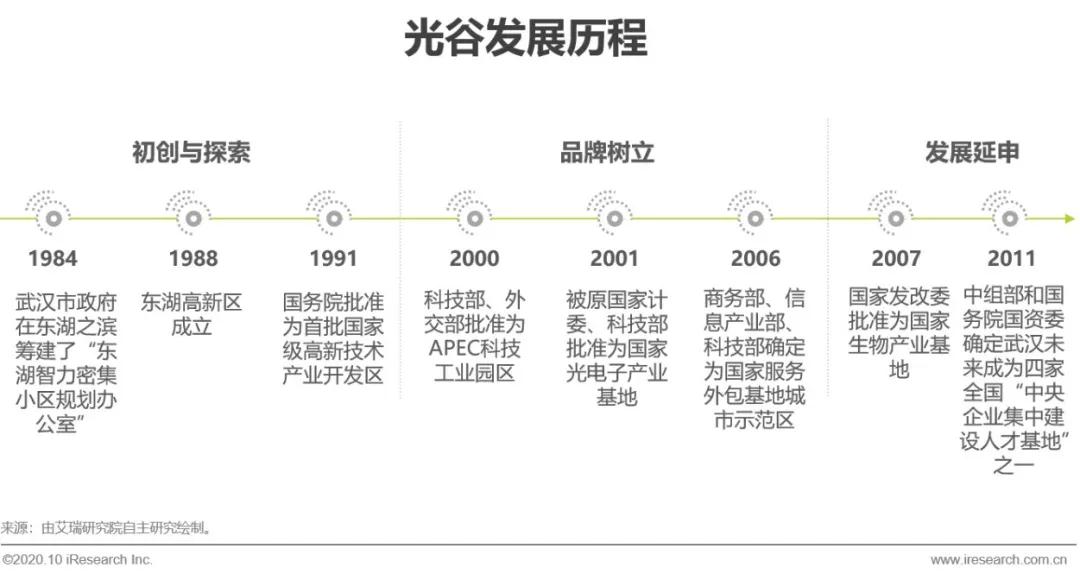
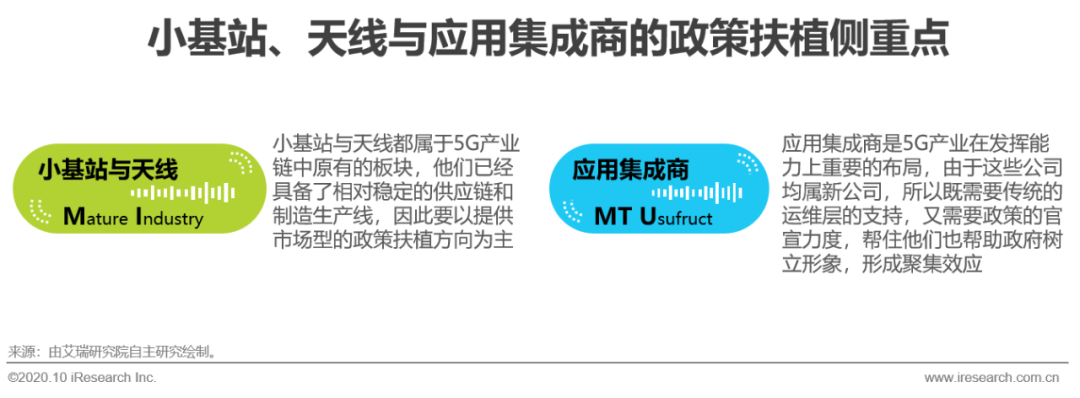
In the current environment in China, 5G new infrastructure is an important industry that can effectively drive the economy. Compared with traditional communication infrastructure, 5G requires more construction and more equipment, so it will inevitably trigger a new round of investment boom. As mentioned above, optical modules, small base stations and antennas are sectors with opportunities in the existing 5G industry. However, the three of them are different. Optical modules have already formed an industrial cluster in China. Wuhan Optics Valley was approved by the State Council as one of the first batch of national high-tech zones in 1991. In 2001, it was approved by the former State Planning Commission and the Ministry of Science and Technology as a national optoelectronics industry base. As for small base stations and antennas, although they need to increase their production capacity, there is no cluster-like trend yet and they require certain operations. The implementation of these three existing industries can promote the development of the 5G industry in a certain region, and after implementation, it can also increase the region's attractiveness to other industries.
In addition, the development of integrators is a sector that has a lot of room for imagination in the future application and implementation of 5G industry. At present, operators are very aggressive in promoting 5G. They can take the lead in finding suppliers to conduct pilot projects without considering the investment-return ratio. In the later stage, operators will only charge network service fees. Therefore, if the demand for digitalization of enterprises increases in the future, these companies cannot be the only ones doing it. On the one hand, there is the issue of industry barriers, which cannot be covered. On the other hand, small businesses may not do everything. From the demand level, for an integrated solution, the network is the foundation, and IT technology is required at the upper level. For users, it is impossible to find several companies to complete it by themselves. Now operators, equipment vendors, and the original H3C integrators are all working on integrated solutions, but they are only proficient in CT solutions and lack the foundation and foundation of IT. A big difference between 5G and 4G is that its ultimate goal is to drive the development of the B-side industry, so for 5G, it is bound to lead the common progress of a series of communication technologies including cellular network technology. In the process of driving the development of the B-side industry, communication connection capabilities are actually similar to many basic capabilities in enterprise services. Integrators need to use them to form many solutions for different industries. This part of enterprise service capabilities will be the largest value-added opportunity for the real economy driven by 5G, in addition to investment in 5G new infrastructure.
Integration direction around application scenarios
بی اینڈ انڈسٹریل ایپلی کیشنز کے حل ترقی کا مرکز ہیں۔
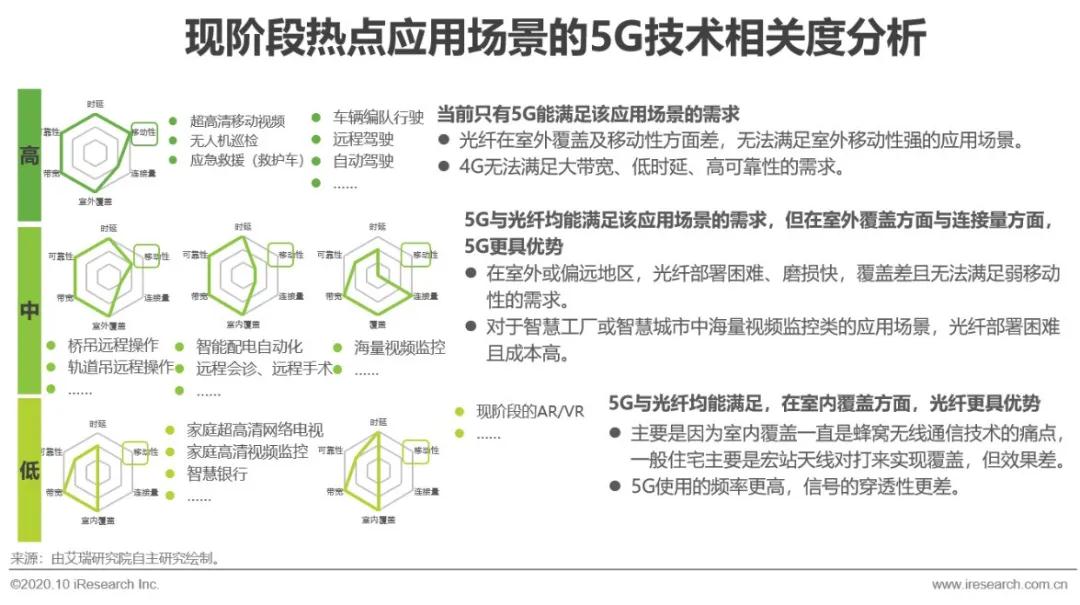
ITU-R defines three major application scenarios for 5G: eMBB, uRLLC and mMTC. eMBB, or enhanced mobile broadband, mainly refers to mobile Internet high-traffic consumer applications such as 4K/8K high-definition video, AR/VR, and 3D holography. uRLLC, which stands for ultra-high reliability and low latency, mainly refers to industrial applications that have extremely high requirements on reliability and latency, such as industrial manufacturing, telemedicine, and autonomous driving. mMTC, or massive machine type communications, mainly refers to application scenarios based on massive sensors such as smart homes, smart cities, and large-area environmental monitoring.
5G کے اسٹار اثر نے اس سے متعلق صارفین کی سطح اور صنعت کی سطح کے ایپلیکیشن کے منظرناموں کی ایک بڑی تعداد کو اپنی طرف متوجہ کیا ہے۔ تاہم، آیا یہ ایپلیکیشن منظرنامے حقیقی 5G ایپلیکیشنز ہیں، درخواست کے منظرناموں کی ضروریات کی بنیاد پر 5G ٹیکنالوجی کی مطابقت کا تجزیہ کرنے کی ضرورت ہے۔ تقابلی تجزیہ بینڈوتھ، تاخیر، وشوسنییتا، نقل و حرکت، کنکشن والیوم اور کوریج کی چھ جہتوں سے کیا جاتا ہے۔ 4G کے مقابلے میں، 5G میں بڑی بینڈوتھ، کم تاخیر اور زیادہ بھروسے کے فوائد ہیں۔ آپٹیکل فائبر کے مقابلے میں، 5G کا فائدہ مضبوط نقل و حرکت اور بڑے کنکشن والیوم ہے۔ نقصان اندرونی ماحول کی خراب کوریج ہے۔ لہذا، جب 5G مقامی صنعتوں میں لاگو کیا جاتا ہے اور صنعتی ماحول کے لیے حل فراہم کرتا ہے، تو یہ بنیادی طور پر مواصلات اور آئی ٹی ٹیکنالوجیز کی ایک سیریز کی ترکیب ہے۔
ووہان · چائنا آپٹکس ویلی
صنعتی توسیع اور سٹی برانڈ ویلیو ایڈڈ اثر ہائی ٹیک صنعتوں کے جمع ہونے سے پیدا ہوا
موجودہ مثالوں میں سے، ووہان کا ایسٹ لیک ہائی ٹیک زون 5G نئی بنیادی ڈھانچے کی صنعت کا سب سے زیادہ نمائندہ ہے، اور اسے "چائنا آپٹکس ویلی" کہا جاتا ہے۔ یہ دنیا کا سب سے بڑا آپٹیکل فائبر اور کیبل R&D بیس، ملک کا سب سے بڑا آپٹیکل ڈیوائس R&D اور پروڈکشن بیس، اور ملک کی سب سے بڑی لیزر انڈسٹری کی بنیاد ہے۔ آپٹکس ویلی آپٹیکل فائبر اور کیبل کا قومی مارکیٹ میں 66% اور بین الاقوامی مارکیٹ کا 25% حصہ ہے، جو فروخت میں دنیا میں پہلے نمبر پر ہے۔ آپٹیکل فائبر فیلڈ میں سرکردہ کمپنیاں، چائنا انفارمیشن ٹیکنالوجی اور YOFC؛ معروف آپٹیکل ماڈیول کمپنیاں Guangxun Technology، Huagong Technology، اور HiSilicon سبھی ووہان میں مرکوز ہیں۔ پیداواری صلاحیت اور کمپنیوں کے اس دوہری ارتکاز نے ایسٹ لیک ہائی ٹیک زون کی علاقائی برانڈ ویلیو میں بہت اضافہ کیا ہے۔ مزید برآں، بذات خود آپٹیکل انڈسٹری کے علاوہ، ہائی ٹیک صنعتوں کے باہمی فروغ کے اثر کی مدد سے، آپٹکس ویلی کئی بڑی صنعتوں کو بھی اکٹھا کرتی ہے جیسے بائیو میڈیسن، توانائی کے تحفظ اور ماحولیاتی تحفظ، اعلیٰ درجے کے سازوسامان کی تیاری، اور جدید خدمات کی صنعتیں، جس نے ووہان کی قومی امیج کو ایک ہائی ٹیک شہر کے طور پر قائم کیا ہے۔ قابلیت کو راغب کرنے اور معیشت کو فروغ دینے پر اس کے واضح اثرات ہیں۔
کاروباری اداروں کی بنیادی بقا اور آپریشن کو یقینی بنانے کے لیے ترجیحی پالیسیاں اور تعاون
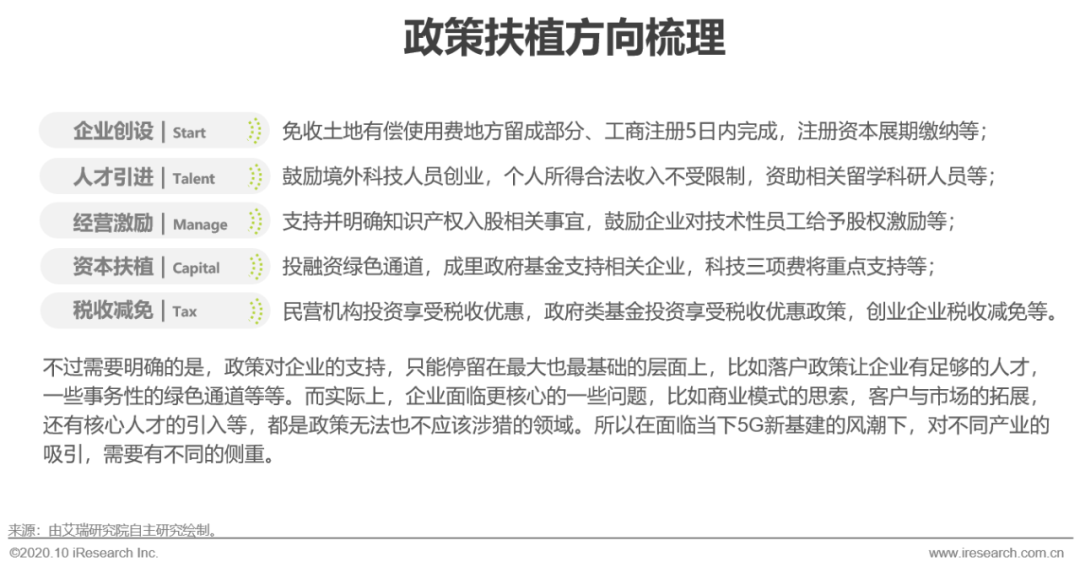
2001 میں ووہان ایسٹ لیک ہائی ٹیک زون کو باضابطہ طور پر "آپٹکس ویلی آف چائنا" کا نام دیا گیا۔ 2000 میں، ووہان حکومت نے آپٹکس ویلی کے لیے 14 واضح اور قابل مقدار ترجیحی پالیسیاں شروع کیں۔ اسے حل کرنے کے لیے، اس میں بنیادی طور پر درج ذیل پہلو شامل ہیں:
یہ مضمون " سے دوبارہ پیش کیا گیا ہےiResearch"، دانشورانہ املاک کے حقوق کے تحفظ کی حمایت کرتا ہے، براہ کرم دوبارہ پرنٹ کرتے وقت اصل ماخذ اور مصنف کی نشاندہی کریں۔ اگر کوئی خلاف ورزی ہو تو اسے حذف کرنے کے لیے براہ کرم ہم سے رابطہ کریں۔
Related Recommendations
Kinghelm سیلز ڈپٹی ڈائریکٹر پینگ ہیوشینگ: شینزین میں ایک حقہ، محنت کے ذریعے اپنی اصل خواہش پر قائم رہنا
2026-08-03
2343
سنگھوا یونیورسٹی کا جذبہ: مادی سائنس میں چیلنجز پر قابو پانا - CEN ننگبو جنشان نیو میٹریلز کمپنی کے سین جیانجن کے ساتھ ایک انٹرویو
2026-07-14
2716