























Service Hotline
Notícias

Notícias

Esta é a primeira vez que alguém torna o 5G tão simples e claro.
2021-12-28
937
1
Uma fórmula simples e mágica
Today’s story starts with a formula.
It's a formula that's both simple and magical. It's simple because it only has 3 letters in total. It is said to be magical because this formula contains the profound secrets of communication technology, and countless people on this planet are obsessed with it.
Esta é a fórmula——
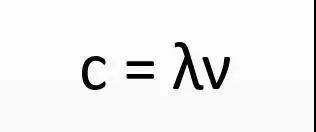
I believe many students recognize this formula. If not, and you are a science student, please remember to call your middle school physics teacher when you have time!
Please explain, the above formula is the basic formula of physics.Speed of light = wavelength & times; frequency.
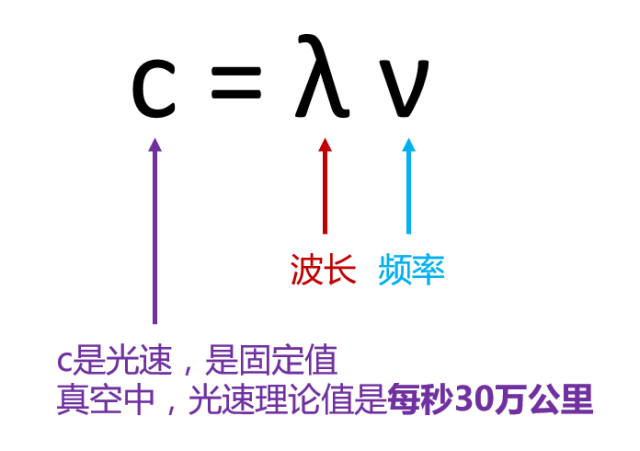
For this formula, we can say:Seja 1G, 2G, 3G, 4G ou 5G, tudo permanece igual. Todos fazem alarde sobre isso e não saem do seu "Monte dos Cinco Dedos".
Deixe-me explicar devagar.
2
Com fio? Sem fio?
Communication technology, no matter what black technology or white technology, in the final analysis, can be divided into two types——Comunicações com fio e comunicações sem fio.
When I talk to you on the phone, information and data are either transmitted in the air (invisible and intangible) or in physical objects (visible and tangible).
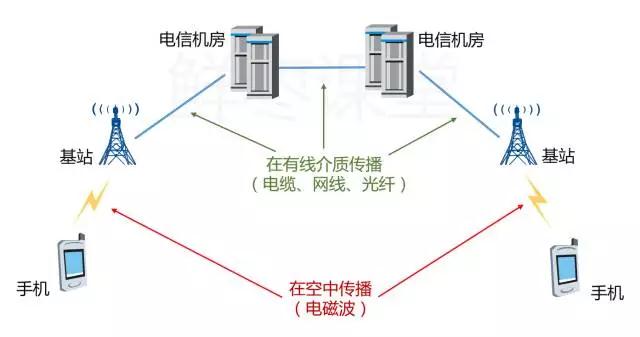
If it is transmitted on physical materials, it is wired communication, which basically uses copper wires and optical fiber cables, collectively called wired media.
Quando os dados são transmitidos por meios com fio, a taxa pode atingir valores muito altos.
Tomando como exemplo a fibra óptica, em laboratório,The maximum speed of a single optical fiber has reached 26Tbps. . . It is 26,000 times that of traditional network cables. . .
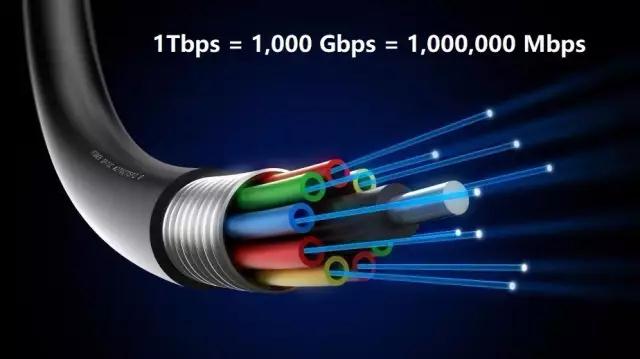
fibra ótica
A propagação pelo ar é o gargalo das comunicações móveis.
O padrão atual de comunicação móvel mais utilizado é o 4G LTE, com uma taxa teórica de apenas 150 Mbps (excluindo agregação de portadoras). Isso é completamente incomparável à conexão cabeada.
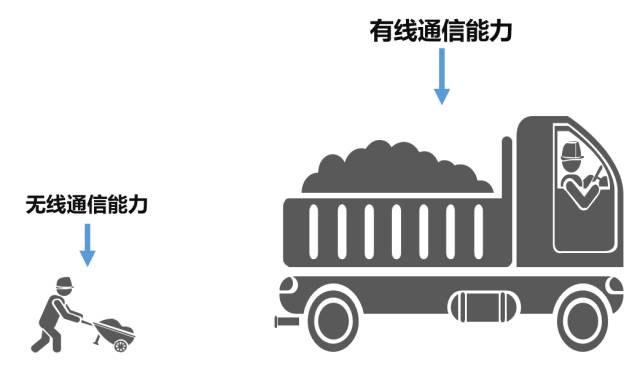
Portanto, se o 5G pretende atingir altas velocidades de ponta a ponta, o foco é superar o gargalo da parte sem fio.
3
Que onda mágica!
As we all know, wireless communication uses electromagnetic waves to communicate. Radio waves and light waves are both electromagnetic waves.
The functional characteristics of electromagnetic waves are determined by their frequency.Ondas eletromagnéticas de diferentes frequências possuem propriedades e características diferentes, e, portanto, têm usos distintos.
For example, high-frequency gamma rays are very lethal and can be used to treat tumors.
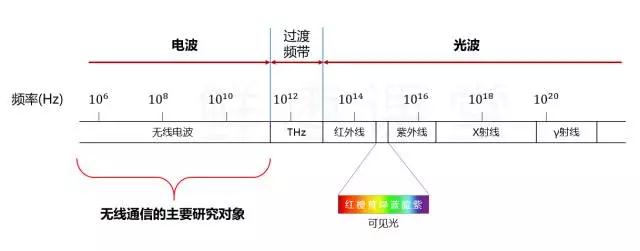
frequência constante de ondas eletromagnéticas
We currently communicate primarily using air waves. Of course, light wave communications are also on the rise, such as LiFi.
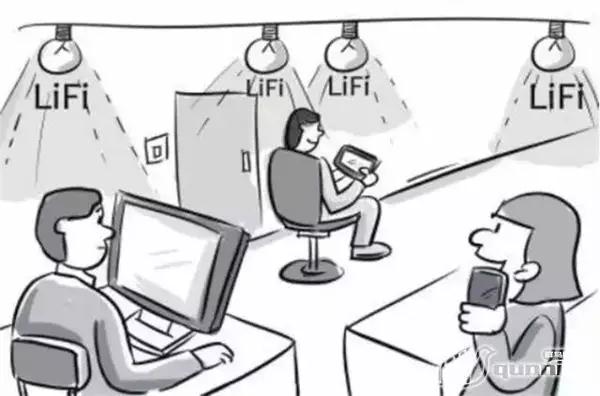
LiFi(Light Fidelity),可见光通信
Sem mais delongas, voltemos primeiro à onda de rádio.
Radio waves are a type of electromagnetic waves, and their frequency resources are limited.
In order to avoid interference and conflicts, we further divide the lanes on the radio wave highway and assign them to different objects and uses.
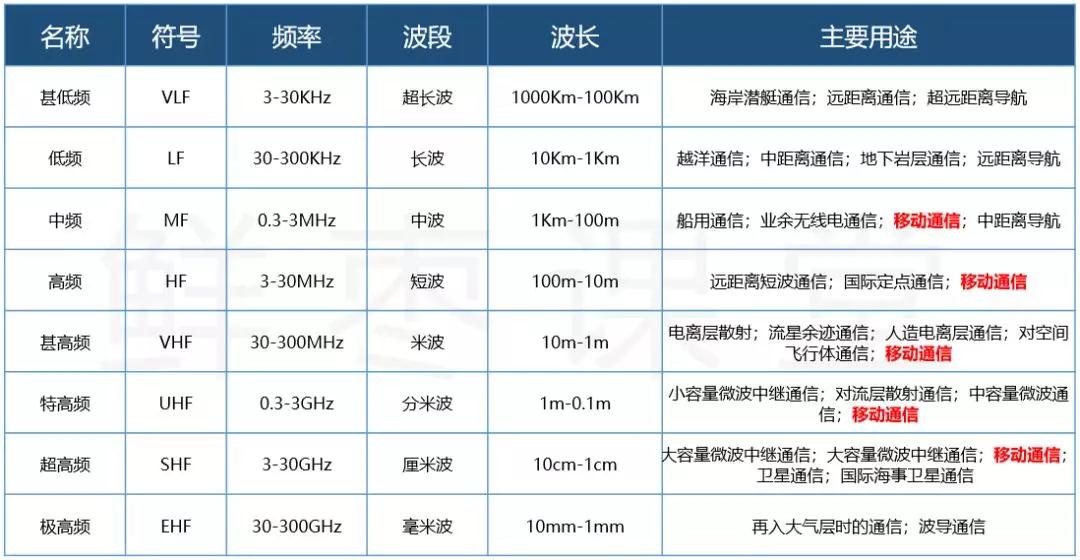
The uses of radio waves at different frequencies
Por favor, preste atenção à fonte vermelha na imagem acima. Até agora, temos usado principalmenteFrequências médias a ultra-altas são usadas para comunicação por telefones celulares.
For example, the often mentioned "GSM900" and "CDMA800" actually refer to GSM operating in the 900MHz frequency band and CDMA operating in the 800MHz frequency band.
The current global mainstream 4G LTE technical standard belongs toUHF e UHF.
Our country mainly uses UHF:
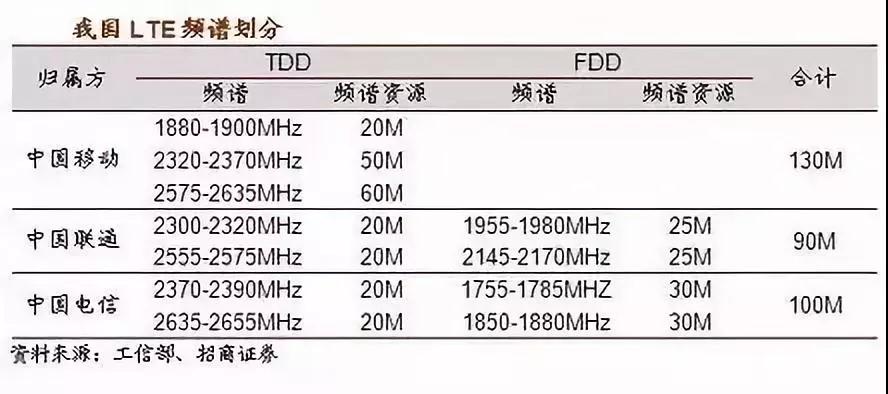
As you can see, with the development of 1G, 2G, 3G, and 4G, the frequency of radio waves used is getting higher and higher.
Por que é isso?
This is mainly because,The higher the frequency, the richer the frequency resources that can be used.The richer the frequency resources, the higher the transmission rate that can be achieved.
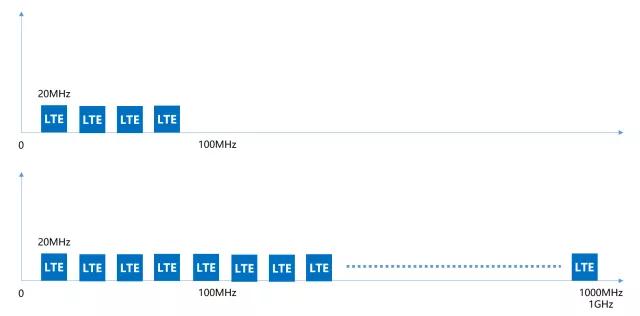
Higher frequency → more resources → faster speed
It shouldn’t be difficult to understand, right? Frequency resources are like carriages. The higher the frequency, the more carriages there are and the more information can be loaded in the same time.
So, what is the specific frequency used by 5G?
Como mostrado abaixo:
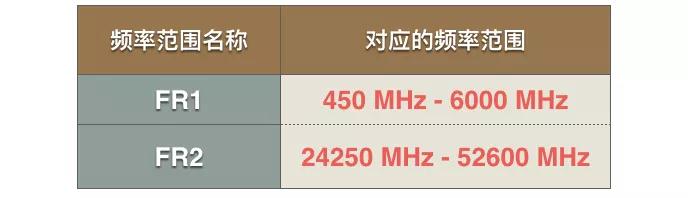
The frequency range of 5G is divided into two types: one is below 6GHz, which is not much different from our current 2/3/4G. There is another kind, which is very high.Above 24GHz.
Currently, internationally, it is mainly used 28GHz Conduct experiments (this frequency band may also become the first commercial frequency band for 5G).
If calculated based on 28GHz, according to the formula we mentioned above:

Okay, this is the first technical feature of 5G——
4
onda milimetrada
Please allow me to repost the frequency comparison table just now:
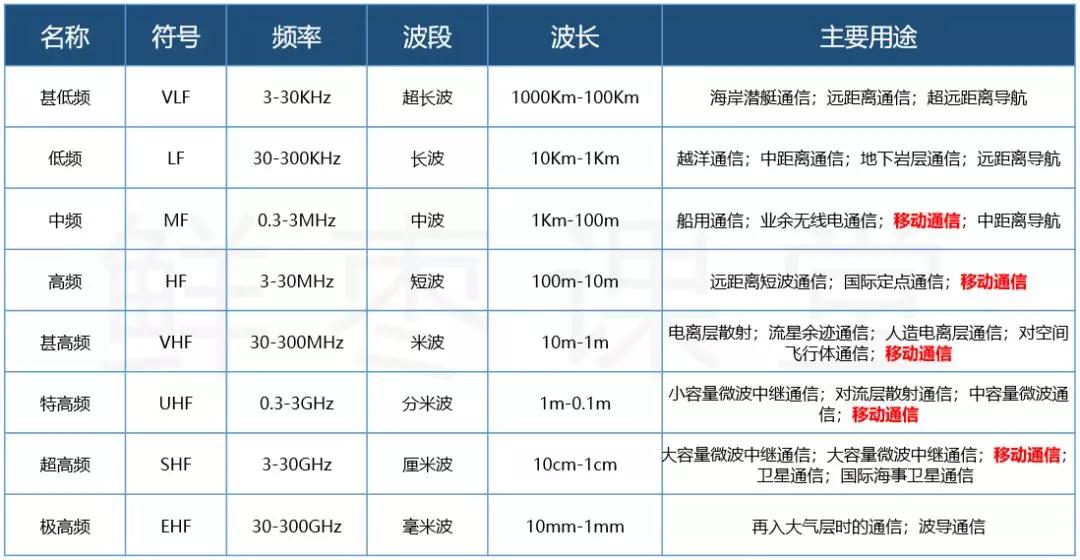
Por favor, preste atenção à última linha. É "onda milimétrica"?
Vá em frente, vá em frente!
Ok, já que alta frequência é tão boa, você certamente vai perguntar:"Por que não usamos altas frequências antes?"
The reason is simple - it's not that I don't want to use it, it's that I can't afford it.
The salient characteristics of electromagnetic waves: the higher the frequency, the shorter the wavelength, and the closer it is to linear propagation (the worse the diffraction ability).Quanto maior a frequência, maior a atenuação no meio de propagação.
Look at the laser pointer (wavelength is about 635nm). The light emitted is straight. If it is blocked, it will not be able to pass through.
Looking at satellite communications and GPS navigation (wavelength is about 1cm), if there are obstructions, there will be no signal.
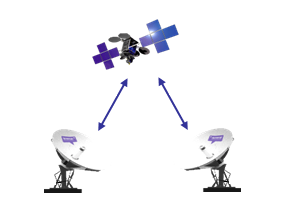
The big pot of a satellite must be calibrated to aim at the direction of the satellite, otherwise even a slight deviation will affect the signal quality.
Se as comunicações móveis utilizam bandas de alta frequência, então seu maior problema éA distância de transmissão é bastante reduzida e a capacidade de cobertura é muito prejudicada.
covering the same area,The number of 5G base stations required will greatly exceed that of 4G.
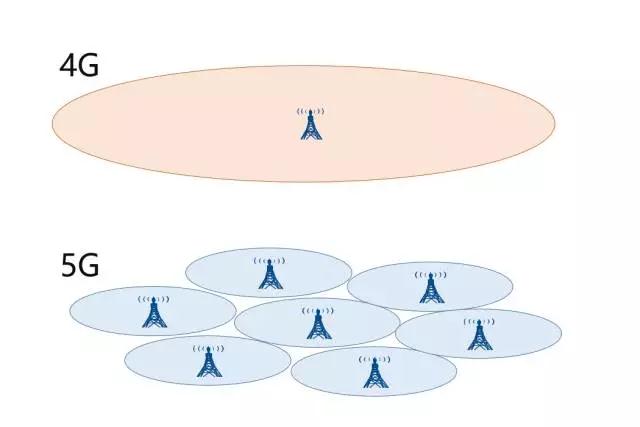
O que significa o número de estações base? Dinheiro! Investimento! O custo!
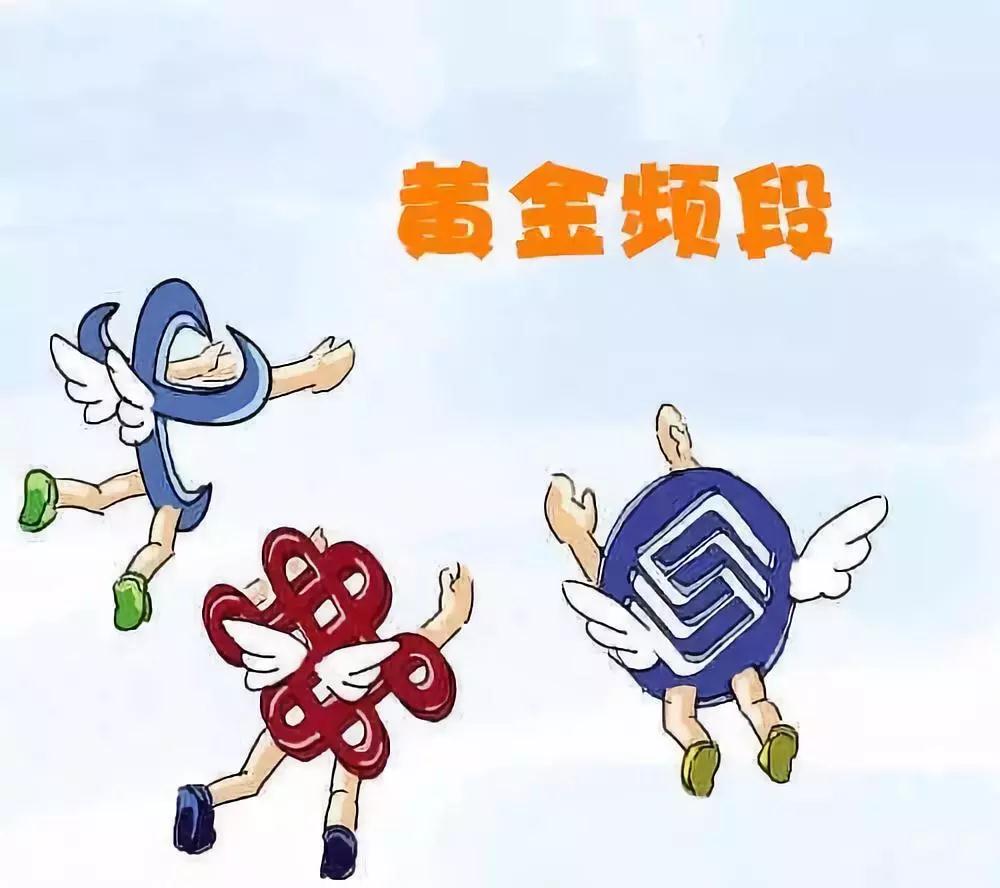
The lower the frequency, the cheaper network construction will be and the more favorable the competition will be. This is why, in recent years, China Telecom, China Mobile, and China Unicom have been fighting fiercely for low-frequency bands.
Some frequency bands are even called——Banda dourada.
This is why, in the 5G era, operators are desperately fighting against equipment manufacturers, hoping to reduce the price of base stations.
Portanto, com base nos motivos acima expostos, a fim de reduzir a pressão de custos na construção da rede, mantendo a alta frequência,5G must find a new way out.
What are the ways out?
First, there is the micro base station.
5
micro base station
There are two types of base stations, micro base stations and macro base stations. Just by looking at the names, you can tell that the micro base station is very small and the macro base station is very large!
Macro base station:
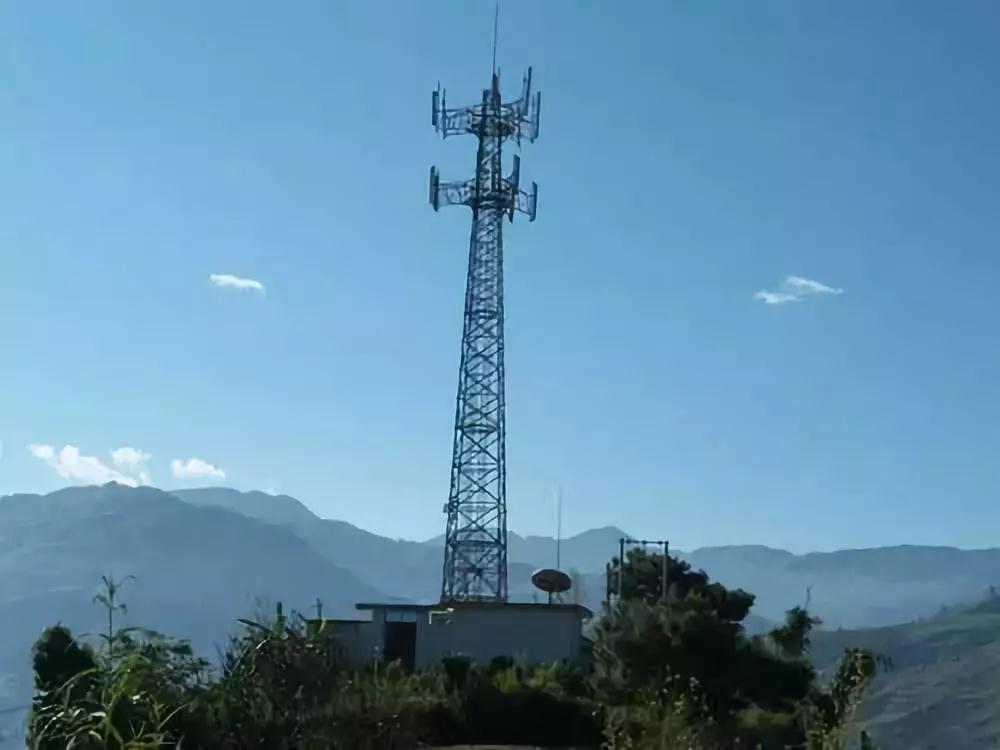
Common outdoors, build one to cover a large area
Micro base station:
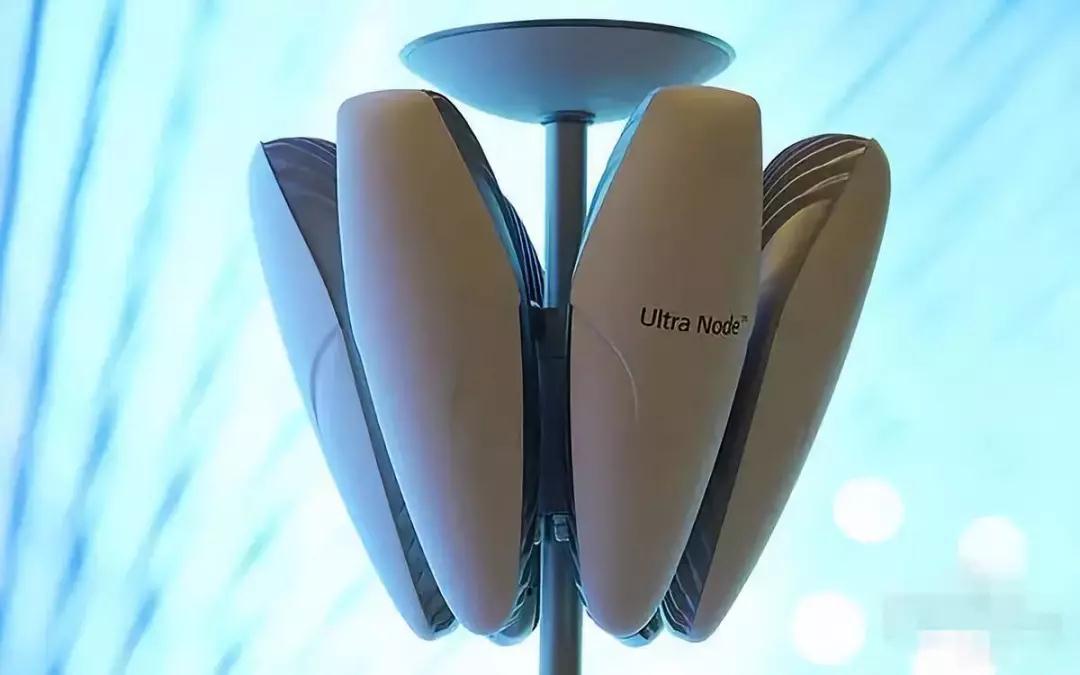
Doesn’t it look cool?
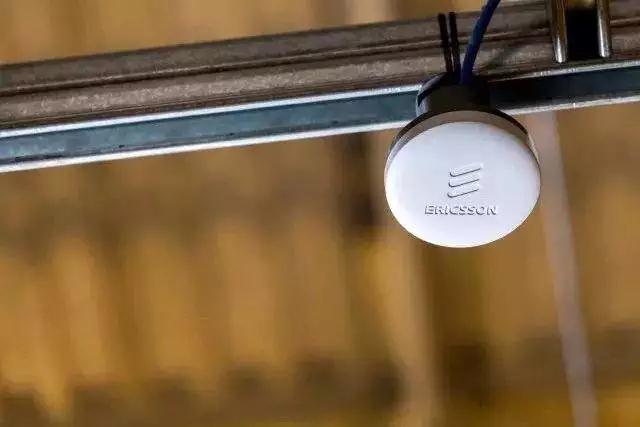
Existem até menores, do tamanho da palma da mão.
In fact, there are many micro base stations now, especially in urban areas and indoors, where they are often seen.
In the 5G era, there will be more micro base stations, which will be installed everywhere and can be seen almost everywhere.
You will definitely ask, will there be any impact on the human body if there are so many base stations around us?
Minha resposta é: não.
In fact, contrary to traditional understanding, in fact,The greater the number of base stations, the smaller the radiation!
Think about it, in winter, in a house with a group of people, is it better to have one high-power heater or several low-power heaters?
High power solution▼
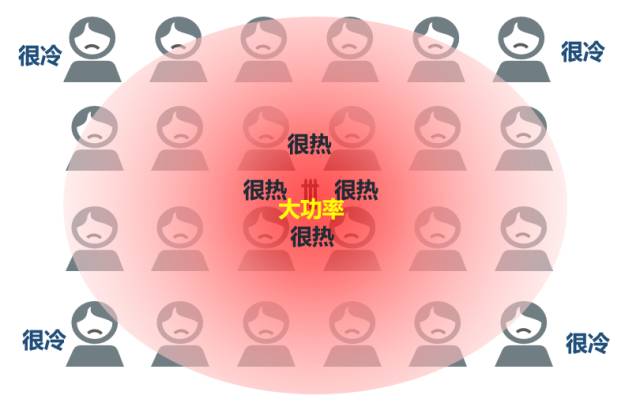
Solução de baixo consumo de energia▼
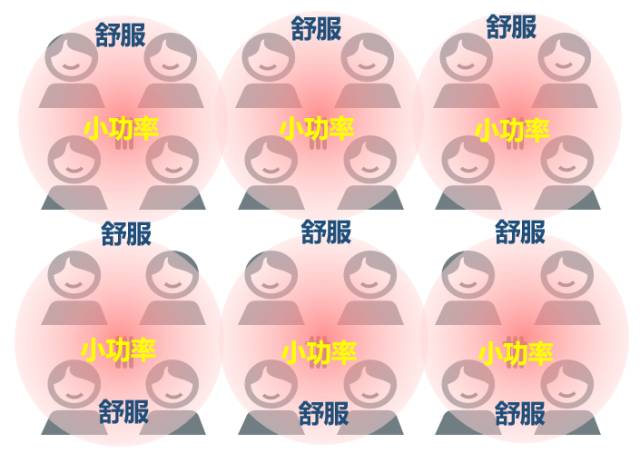
The picture above is clear at a glance.A estação base é pequena e de baixo consumo de energia, o que é bom para todos.If you only use one large base station, if it is close, the radiation will be large, but if it is far away, there will be no signal, which is not good.
6
Where did the antenna go?
Have you noticed that mobile phones used to have very long antennas, and early mobile phones also had small protruding antennas. Why do our mobile phones now have no antennas?
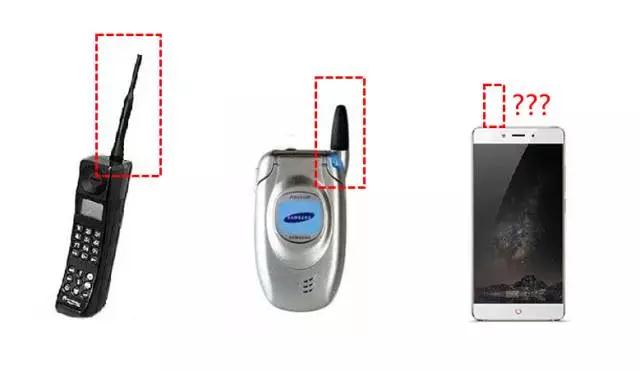
Na verdade, não é que não precisemos de antenas;The antenna got smaller.
De acordo com as características da antena, seu comprimento deve ser proporcional ao comprimento de onda, aproximadamente entre 1/10 e 1/4.
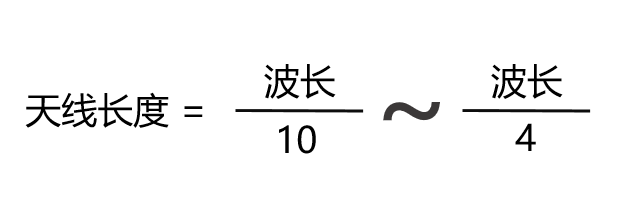
As time changes, the communication frequency of our mobile phones is getting higher and higher, the wavelength is getting shorter and shorter, and the antennas are also getting shorter!
For millimeter wave communication, the antenna has also become millimeter level. . .
This means that the antenna can be inserted into the mobile phone, or even many antennas can be inserted. . .
This is the third biggest killer feature of 5G——
7
MIMO assistivo
(Tecnologia de múltiplas antenas)
MIMO significa "Multiple-Input Multiple-Output" (Múltiplas Entradas e Múltiplas Saídas), onde múltiplas antenas transmitem e múltiplas antenas recebem.
In the LTE era, we already had MIMO, but the number of antennas was not large. It could only be said to be a junior version of MIMO.
In the 5G era, MIMO technology continues to be developed, and now it has become an enhanced version of Massive MIMO (Massive: large-scale, massive).
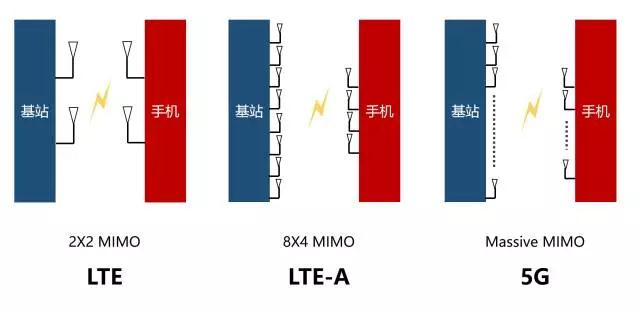
There are multiple antennas packed into a mobile phone, not to mention a base station.
In the past, base stations only had a few antennas:
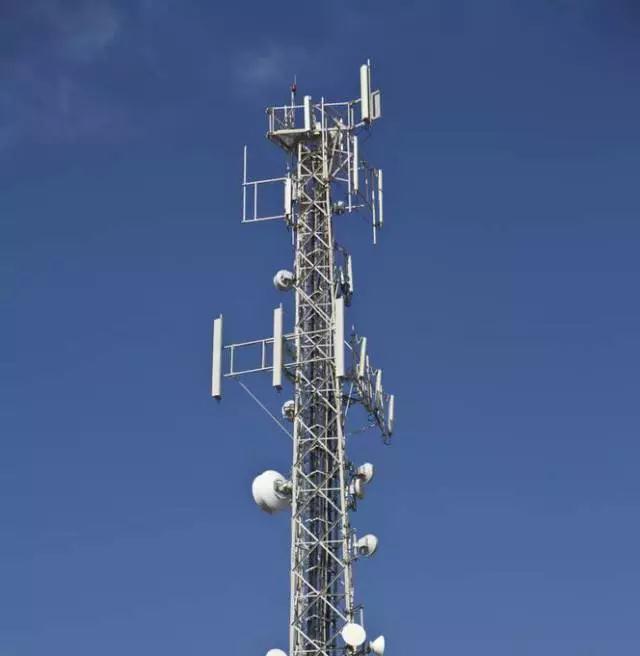
In the 5G era, the number of antennas is not calculated by root, but by "array". . . "antenna array". . . At first glance, it has the rhythm of trypophobia. . .
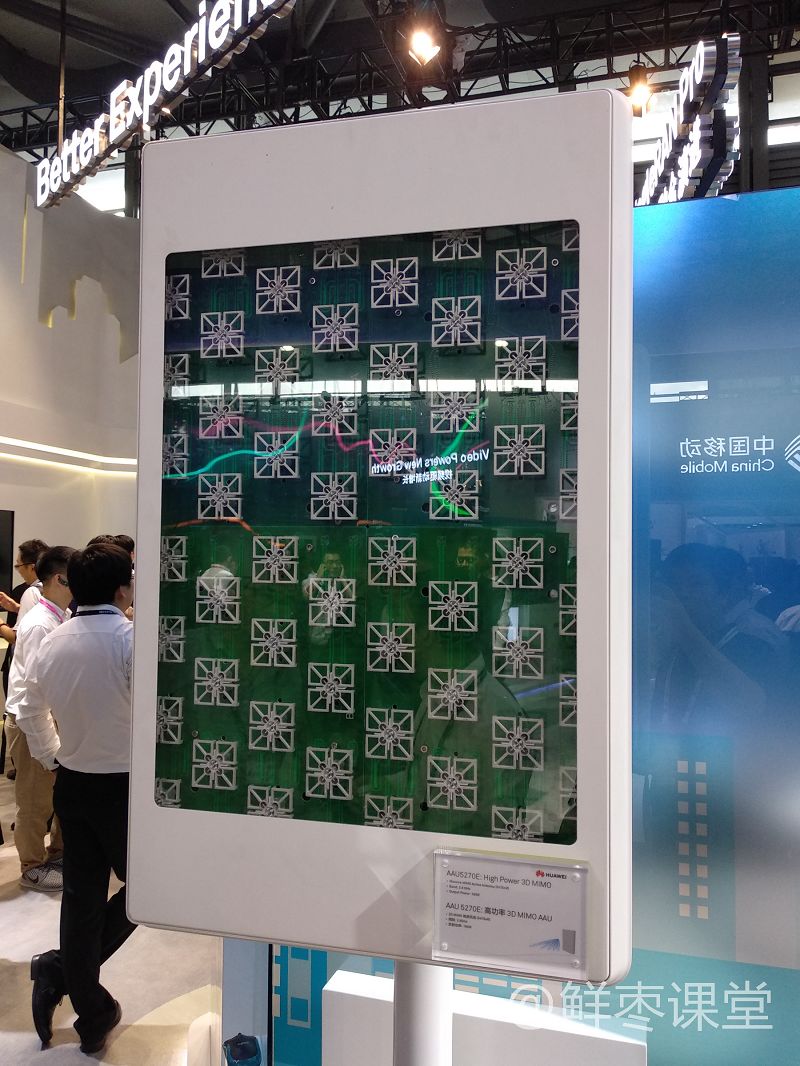
No entanto, a distância entre as antenas não pode ser muito pequena.
Due to antenna characteristics, a multi-antenna array requires that the distance between antennas be maintained at more than half a wavelength. If the distance is close, they will interfere with each other and affect the sending and receiving of signals.
8
beamforming
Everyone has seen a light bulb glow, right?

In fact, when the base station transmits a signal, it is a bit like a light bulb glowing.
The signal is emitted to the surroundings. For light, of course it illuminates the entire room. If you just want to illuminate a certain area or object, then most of the light is wasted. . .
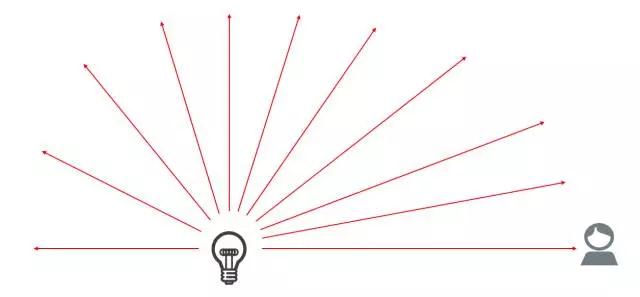
O mesmo se aplica às estações base, onde muita energia e recursos são desperdiçados.
Can we find an invisible hand to bind the scattered light?
Isso não só economiza energia, como também garante que a área a ser iluminada tenha luz suficiente.
A resposta é sim.
Isto é - formação de feixe
An antenna array is arranged on the base station, and by controlling the phase of the radio frequency signal, the lobe of the electromagnetic wave after interaction becomes very narrow and pointed at the mobile phone it provides services, and can change the direction according to the movement of the mobile phone.
Essa tecnologia de multiplexação espacial muda a cobertura de sinal omnidirecional para um serviço direcional preciso, sem interferência entre os feixes.Provide more communication links in the same space, greatly improving the service capacity of the base station.
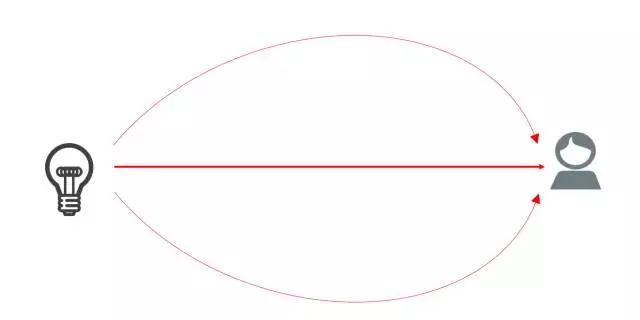
As retas podem ser divididas em curvas... Existe algo mais que os especialistas em comunicação não consigam fazer?
9
Don't charge me any money, okay?
In the current mobile communication network, even if two people call each other's mobile phones face to face (or send photos to each other through mobile phones), the signals are relayed through the base station, including control signaling and data packets. . .
Na era do 5G, isso não é necessariamente verdade.
A quinta característica principal do 5G é o D2D, que significa "dispositivo para dispositivo".
10
D2D
In the 5G era, if two users under the same base station communicate with each other, their data will no longer be forwarded through the base station, but directly from mobile phone to mobile phone. . .
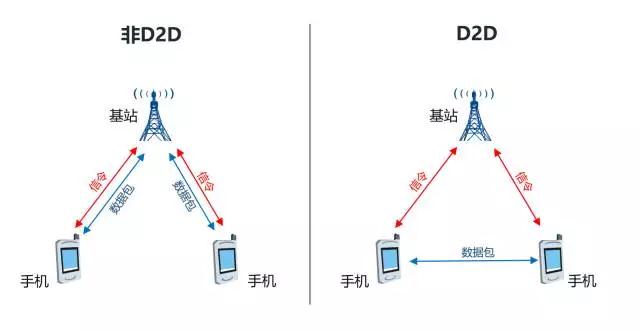
In this way, a large amount of air resources are saved and the pressure on the base station is reduced.
However, if you think you don’t have to pay, then you are doing Tucson a disservice.
Control messages still have to go from the base station. You are using spectrum resources. How can the operator let you go? . .
pós-escrito
Acredito que, por meio deste artigo, todos adquiriram uma compreensão profunda do 5G e dos conhecimentos de comunicação que o sustentam. E tudo isso baseado em fórmulas matemáticas que até um aluno do ensino fundamental consegue entender. Não é mesmo?
A tecnologia da comunicação não é um mistério. Sendo a joia mais deslumbrante na coroa da tecnologia da comunicação, o 5G não é uma tecnologia revolucionária e inovadora fora de alcance. É mais uma evolução da tecnologia de comunicação existente.
As an expert said -
The limits of communication technology are not limitations in technical technology, but inferences based on rigorous mathematics. It is basically impossible to break through in the foreseeable future.
Explorar ainda mais o potencial das comunicações dentro do âmbito dos princípios científicos é a busca incansável de muitos profissionais ambiciosos na indústria da comunicação.
Okay, that’s it for today.
Este artigo foi reproduzido de "IoT IQApoiamos a proteção dos direitos de propriedade intelectual. Ao reproduzir este conteúdo, indique a fonte original e o autor. Caso haja alguma infração, entre em contato conosco para que possamos removê-lo.