






















Service Hotline
News

News
What interface is USB-C? What is the difference between USB-C and USB?
2021-12-28
730
The full name of the USB-C interface is USB Type-C. It is a next-generation interface of USB 3.0. Its highlights include a slimmer design, faster transmission speed (up to 10Gbps), and stronger power transmission (up to 100W). In addition, the USB-C interface also supports double-sided insertion, and it can be plugged in at any time, which is more advanced than USB2.0/USB3.0.
The difference between USB-C and USB:
Simply put, the new generation of USB-C has faster transmission speed, stronger power transmission, smaller interface size, and supports bidirectional transmission and stronger compatibility than USB.
The USB-C interface is as shown below:
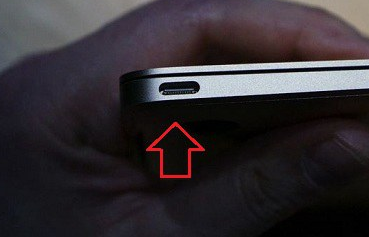
USB Type-C interface features:
1. Ultra-thin
The old USB port is 14mm*6.5mm long, while USB-C is only 8.4mm*2.6mm.
2. Regardless of the pros and cons
Like the Lightning interface, there will be no problem regardless of whether it is plugged in or checked back. It is said to be able to withstand 10,000 repeated plugging and unplugging.
3. Fast transmission speed
The maximum transfer rate of the USB-C port is 10Gb per second, which is much faster than USB3.0.
4. Two-way transmission
Unlike older USB ports, which can only transmit power in one direction, the USB-C port's power transmission is bidirectional, which means it can have two ways of sending power.
5. Strong power supply capability
The standard cable equipped with a Type-C connector can pass 3A current, and also supports "USB PD" that exceeds the existing USB power supply capability and can provide up to 100W of power.
6. Backward compatibility
USB-C is compatible with older USB standards, but users need to purchase additional adapters to achieve compatibility.
This content comes from the Internet , this website only provides reprinting. The views, stance, technology, etc. of this article have nothing to do with this website. If there is any infringement, please contact us to delete it!
Related Recommendations